
Lieferung heute & morgen

Qualitätsgarantie

Willkommens-Angebote freischalten: KOSTENLOSE Lieferung | Bis zu 80 % RABATT | Kostenlose 30-Tage-JoyPlus-Testphase
App herunterladen
Leaking milk can happen unexpectedly while you’re breastfeeding – when you’re out and about, at work, shopping or during the night. Disposable breast pads absorb leaking breast milk and can help keep your clothes dry. However, products vary considerably in absorbency, fit and material.
If you focus only on a large pack size or the term ‘ultra-thin’, you may overlook important details. The following criteria can help you choose breast pads for nursing that suit your everyday routine.
Claims such as ‘up to 150 ml’ may sound clear-cut, but they’re often based on testing conditions specific to the manufacturer. How much a pad actually absorbs in everyday use depends on factors including how quickly milk leaks, how the pad fits and when you change it.
If you have a heavy milk flow, don’t look at the figures alone. These factors also matter:
An ultra-thin breast pad may be less visible under clothing. But if it isn’t shaped to fit properly, it may slip or leak at the edges. A secure fit and adhesive strips that are wide enough are especially important when you bend over, carry your baby or move around.
Individually wrapped breast pads are handy for your changing bag, workplace or longer journeys. The packaging protects each pad from direct contact with dust and moisture until you’re ready to use it. The surface should also feel soft and cause as little friction as possible.
However, a claim such as ‘kind to skin’ doesn’t replace checking the material details. If you experience redness, itching or a burning sensation, stop using the product. Seek medical advice if your symptoms persist.
If you have a heavier milk flow, absorbent breast pads with a multi-layer construction are a good choice. The pad should draw liquid away from the surface and into the core. A damp surface can feel uncomfortable and put extra strain on your skin.
Treat the stated capacity as information from the manufacturer, not a guarantee for every everyday situation. If you have a heavy milk flow, you may need to change pads more often. For overnight use or longer journeys, a larger supply, such as 100 breast pads, may be useful.
Look for an anatomical shape that follows the contours of your breast. Wide adhesive strips can help stop the pad moving around inside your bra. A water-resistant outer layer helps with leak protection, but it can’t make up for the wrong size or a pad that isn’t changed in time.
Before you buy, check:
Breathable breast pads often have a perforated or air-permeable outer layer. This can help reduce the feeling of heat and stuffiness. However, high breathability shouldn’t be confused with letting liquid through completely: the backing still needs to keep milk inside the pad.
A soft surface, low material thickness and a fit that resists creasing are especially important if you’ll be wearing the pads for many hours. Discreet breast pads should sit smoothly under your bra without compromising the absorbency of the core too much.
The products below vary in their purpose, features and product specifications. We’ve selected them for specific uses rather than making general claims about quality.
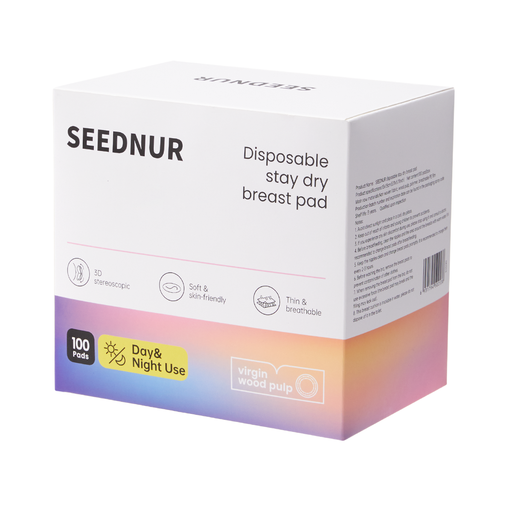
Why this product suits this profile: This pack of 100 individually wrapped pads is a good option if you want a supply for everyday use, work and trips out. According to the product information, the pads are 1 mm thick and have two adhesive strips.
The individual wrapping makes the pads easy to carry hygienically. Treat the manufacturer’s claim of up to 150 ml absorption as a guide, and make sure you change the pads at suitable intervals.
100 pads per pack, 1 mm thick, individually wrapped and with a surface described as breathable.
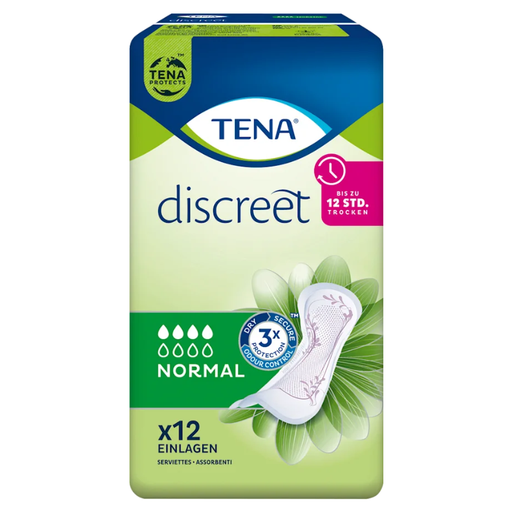
Why this product suits this profile: The product description mentions a body-shaped DRY zone, soft side edges and a dermatologically tested design. This may appeal if you’re looking for a good fit, discretion and clear information about the materials.
The product information covers more than absorbency: it also describes the fit, moisture protection and leak protection. This makes it easier to choose a product that suits the conditions in which you’ll wear it.
Body-shaped design, soft side edges, and claims of dermatological testing and odour control.
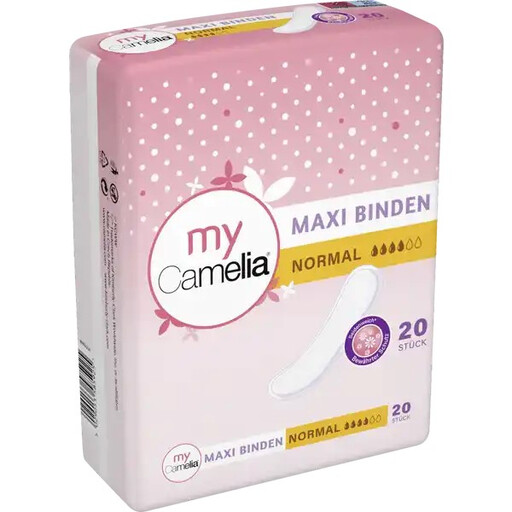
Why this product suits this profile: According to the product description, this product is also intended for postnatal hygiene. However, it isn’t specifically labelled as a breast pad, so you should only choose it for an appropriate purpose.
Checking what the product is intended for helps prevent a menstrual or maternity pad from being used inappropriately as a breast pad. For direct contact with the breast, choose products specifically designed for breast care and nursing.
20 pads per pack and, according to the product description, suitable for postnatal hygiene; not specifically labelled as a primary breast pad.
We’ve put together a complete, regularly updated list of products that meet these strict selection criteria and the safety regulations in force in the EU.
Wash your hands before putting a pad in place. Remove the backing film, position the pad in the centre of your bra and press the adhesive strips down gently. Check that it’s still in place if you’re moving around or have a heavy milk flow.
Store disposable breast pads in a clean, dry place, ideally away from direct sunlight and damp rooms. Put used pads in your household rubbish. Don’t flush them down the toilet.
There’s no set interval that works for everyone. Change the pad as soon as it feels noticeably damp, shifts out of place or feels uncomfortable against your skin. If you have a heavy milk flow, you may need to change it several times a day.
Individual wrapping protects each pad from external contaminants until you’re ready to use it and makes it easier to carry. It’s also important to keep your hands clean, store the pads in a dry place and change them promptly.
It depends on how many you use, the effort involved in washing them and the pack price. Disposable pads are easy to change and handy when you’re out and about. Reusable options may create less waste if you use them regularly, but they need to be washed and dried thoroughly.