
Lieferung heute & morgen

Qualitätsgarantie

Willkommens-Angebote freischalten: KOSTENLOSE Lieferung | Bis zu 80 % RABATT | Kostenlose 30-Tage-JoyPlus-Testphase
App herunterladen
Organising a party, barbecue, or kids' birthday involves many decisions. The choice of the right disposable tableware often seems like an afterthought—until the plates buckle under the weight of a salad or the design clashes with your carefully planned theme party. As your Joybuy Product Recommendation Officer, I'll help you navigate the typical pitfalls and make a choice that is practical, appropriate, and reliable.
Before you make a purchase, you should be aware of three common problems that can lead to disappointment when choosing disposable plates:
To avoid a bad purchase, you should check three key criteria. These will help you find the right party tableware for your specific event.
The material determines not only the look but also the stability and disposal options.
A plate's stability depends on its material thickness (grammage) and shape. A slightly raised edge prevents food from sliding off. The diameter should suit the occasion:
For a kids' birthday or a themed party, the design is crucial. Whether it's popular cartoon characters, sports motifs, or simple, elegant patterns – the right themed party accessories significantly contribute to the atmosphere. For more formal occasions or when flexibility is needed, solid-coloured plates in white or pastel shades are a safe bet.
Here are some recommendations tailored to different needs and occasions, taking the aforementioned quality criteria into account.
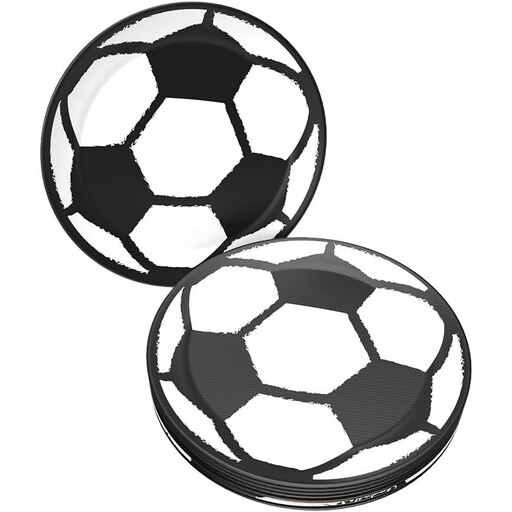
Why it's a match: Perfect for a football-themed party or a sporty kids' birthday. The design is the focal point, transforming the party table into a playing field.
According to the manufacturer, the plate is made of sturdy, food-safe cardboard and, with a 23 cm diameter, is the right size for party foods like sausages, salad, or cake. This avoids the problems of a plate that is too small or flimsy.
The detailed football goal design is an eye-catcher and makes additional table decoration almost unnecessary. It's a central element of the kids' birthday decor.
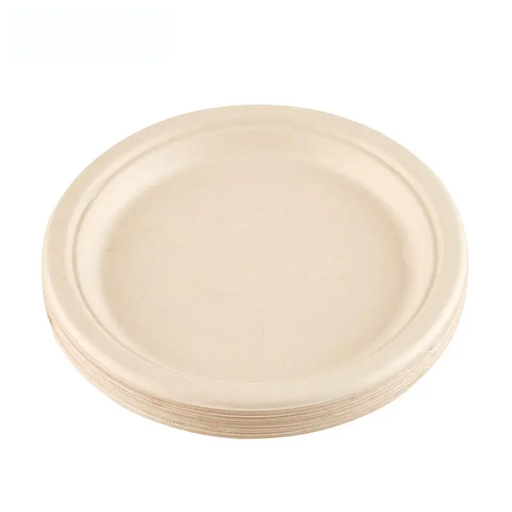
Why it's a match: For anyone who values sustainability in their disposable tableware without sacrificing convenience. Ideal for picnics, garden parties, and conscious everyday use.
These plates are made from sugarcane fibres (bagasse), a by-product of sugar production. According to the manufacturer, they are biodegradable, thus avoiding the trap of misleading eco-promises. The described water and oil resistance also prevents them from becoming soggy.
The plates are microwave-safe, which makes them especially practical for quickly heating food. This functionality is missing from many conventional paper or bamboo plates.
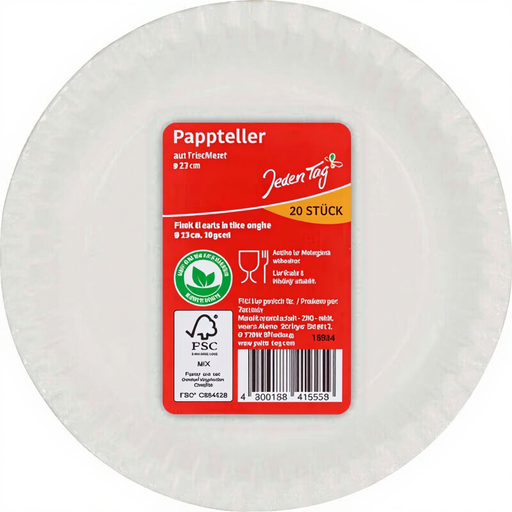
Why it's a match: A straightforward and cost-effective solution for large gatherings, club events, or spontaneous get-togethers where functionality and price are the top priorities.
With a diameter of 23 cm, the plate has a universal size for most dishes, avoiding the problem of plates being too small. The product description points to an inner coating that ensures basic stability with both cold and hot foods.
The neutral white design is versatile and suits any occasion. The pack size of 20 pieces offers great value for money for larger groups.
We've compiled a complete, up-to-date list of products that fully meet our strict selection criteria for quality and safety.
It depends on the plate's construction. Standard uncoated paper plates can quickly become soggy with very hot or greasy foods. Models with a PE or PLA (bioplastic) coating are more resistant. Look for notes in the product description like "suitable for hot food" or "grease-resistant." Bamboo plates or sugarcane plates are often inherently more robust.
Biodegradable does not automatically mean the plate can go in the organic waste bin. In many regions, local waste management authorities regulate disposal. Many compostable disposable products require industrial composting facilities to break down. Uncoated paper plates can usually be disposed of with waste paper. For coated or "compostable" labelled plates, disposal in general waste is often the intended route, unless local waste management specifies otherwise.
A simple rule of thumb can help: plates with a diameter of about 18 cm are ideal as party plates for cake, muffins, or small appetisers. For a buffet with salads, grilled food, or a full meal, a diameter of 23 cm is the most common and practical size. Larger plates often feel more generous but are not always necessary and create more waste.