
Lieferung heute & morgen

Qualitätsgarantie

Willkommens-Angebote freischalten: KOSTENLOSE Lieferung | Bis zu 80 % RABATT | Kostenlose 30-Tage-JoyPlus-Testphase
App herunterladen
As a Joybuy Product Recommendation Officer, I analyse market data daily to provide you with objective and practical shopping advice. My goal is to help you find functional products and avoid common purchasing pitfalls. A clogged kitchen drain, caused by food scraps, is a common household nuisance. Disposable sink strainers offer a hygienic solution, but not all products live up to their claims.
Before making a purchase, it's crucial to understand the typical weaknesses that lead to frustration with many products on the market.
To avoid these problems, you should check two or three crucial features before buying. These parameters determine whether a sink filter bag will truly be an effective aid in your daily routine.
The material of a disposable kitchen drain strainer is critical to its functionality. It should be flexible enough to conform to the drain but also robust enough not to tear under the weight of wet food scraps. A fine-meshed sink strainer mesh made of polyester or a similar synthetic material is often a good choice here. It traps even the smallest particles, ensuring a clear drain. Pay attention to the product description, which often provides details on material thickness or load capacity. This is the key to prevent a clogged kitchen drain.
Not every kitchen sink filter fits every sink. Measure the diameter of your drain before buying a rigid strainer. For flexible drain strainer bags, compatibility is usually higher. These are typically stretched over the rim of the existing, permanent drain strainer. Their elastic opening adapts to various sizes. This method is particularly practical as it allows for dual-layer filtering and makes inserting and disposing of the drain filter disposal bag very simple.
Disposable products are designed for regular replacement. Consider how often you cook and use the sink intensively. For a household that cooks daily, a pack of 200 or 500 may be sensible to lower the cost per unit and always have a supply on hand. For infrequent users or for trying them out, a smaller pack of 100 may suffice.
Here are some product recommendations tailored to different user profiles and their specific needs.
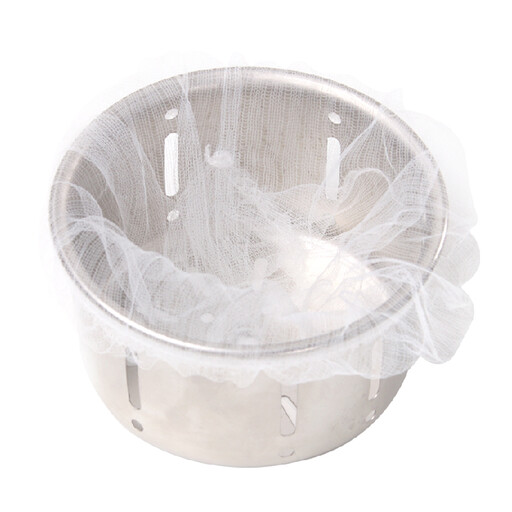
Why This Fits Their Persona: Ideal for families and anyone who cooks daily and seeks a cost-effective, hygienic solution. The large quantity ensures a supply for over a year, reducing the need for frequent repurchases.
The fine-mesh net effectively prevents small food scraps from passing through (Pitfall 1). As a disposable product, it completely bypasses the problem of unhygienic cleaning (Pitfall 3).
Very low cost per use. The large quantity offers maximum convenience and a long-term supply.
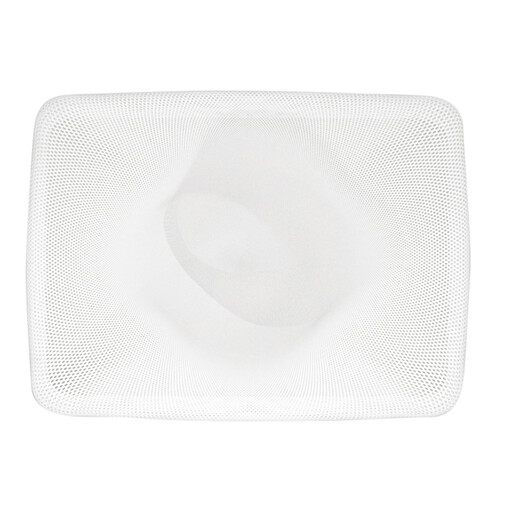
Why This Fits Their Persona: Perfect for individuals who want to try out the disposable filter bag system for the first time or live in a smaller household. The 100-pack offers a good balance between supply and initial investment.
These bags are designed for use in kitchen sinks and provide a reliable fit for standard drains (Pitfall 2). The material is tear-resistant enough for the daily disposal of food scraps (Pitfall 3).
Simple and hygienic handling. The pack size is ideal for testing the benefits of disposable strainer bags without a large upfront cost.
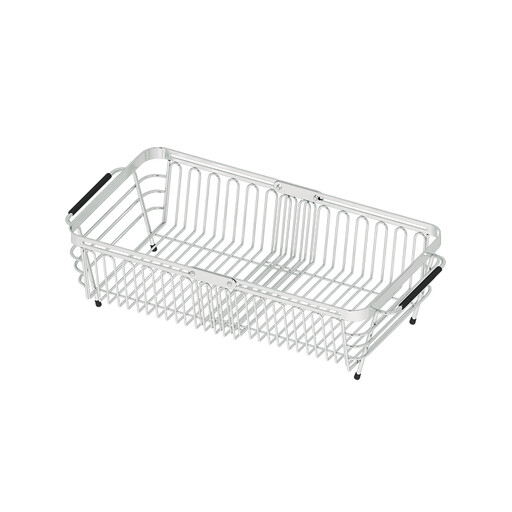
Why This Fits Their Persona: For users who prefer a durable, multifunctional, and reusable solution. This product serves not only as a strainer but also as a drying rack, creating additional utility and order in the kitchen.
Made from 304 stainless steel, it avoids the trap of inferior materials (Pitfall 3). The expandable frame from 29 cm to 44 cm ensures an excellent fit for most sinks (Pitfall 2).
Multifunctionality (strainer, drying rack, organiser). Durable and food-grade material. Space-saving over-the-sink design.
We have compiled a complete, up-to-date list of products that fully meet these strict selection criteria and applicable safety regulations.
For optimal hygiene and to prevent odours, it is recommended to change the filter for sink food scraps daily or whenever it is visibly full. In households where there is a lot of cooking, a daily change may be advisable.
Most drain strainer bags are equipped with an elastic opening that can be stretched over the most common drain sizes in kitchens (typically 7-10 cm in diameter). They are often pulled over the existing metal strainer. It is still advisable to check the product description for specific size information.
Disposable filters are usually made of plastics like polyester and are disposed of with household waste. Their use represents a trade-off between hygiene, convenience, and environmental impact. Those looking for a reusable alternative can opt for durable strainers made of high-quality stainless steel, which, although they require regular cleaning, avoid waste for years to come.