
Lieferung heute & morgen

Qualitätsgarantie

Willkommens-Angebote freischalten: KOSTENLOSE Lieferung | Bis zu 80 % RABATT | Kostenlose 30-Tage-JoyPlus-Testphase
App herunterladen
Disposable tableware can make preparation and clearing up easier at celebrations, barbecues, corporate events and picnics. At the same time, unclear material information, packs that are too small and missing usage guidance can quickly lead to unnecessary expense. So when buying disposable plates, disposable bowls, disposable cups or lunch boxes, you should look beyond the price or eye-catching environmental labels.
This buying guide explains which details really matter and which disposable tableware is suitable for different uses.
Terms such as compostable, biodegradable or made from plant fibres do not necessarily describe the same disposal method. Sugarcane tableware and bamboo-fibre tableware may be made from plant-based raw materials, but they may require specific conditions to break down. The information on the packaging and local disposal requirements are what matter.
Paper plates with an internal coating may be suitable for greasy or moist foods. However, this does not automatically mean they are suitable for microwaves, boiling liquids or longer-term storage. One example from the range is the Jeden Tag Paper Plate 23cm White. Its product description mentions a grease-resistant coating but excludes microwave use and boiling liquids.
With disposable tableware, the price per item matters. A pack of 50 disposable bowls may make sense for a barbecue, while a small household may only need 20 plates or 10 to 20 cups. The quantity should also match your actual requirements, so that delicate materials do not absorb moisture over a long period or remain unnecessarily in storage.
For cold foods, lightweight paper plates or paper cups are usually sufficient. For soups, sauces and warm side dishes, leakproof disposable bowls with clear suitability information are a sensible choice. According to the product name, the 500 ml sugarcane bowls from Eco Friendly Disposable Soup Bowls are described as heat-insulating and leakproof. Even so, this information should be checked against the specific manufacturer’s guidance.
For compostable plates and sugarcane tableware, you should also check whether microwave suitability is explicitly stated. According to its product description, the Ochama Biodegradable Plates are described as water- and oil-resistant as well as microwave-safe. This cannot be assumed for all products made from plant fibres.
Choosing the right size helps prevent overfilling and spills:
For disposable cutlery and straws, length, diameter and suitability for cold or hot drinks are relevant. Straws should not be used near heat sources unless the supplier specifically confirms that they are suitable.
Event organisers, catering businesses and offices often need larger quantities. For private households, however, a smaller pack may be the better choice. Before buying, it is worth making a simple estimate of your requirements:
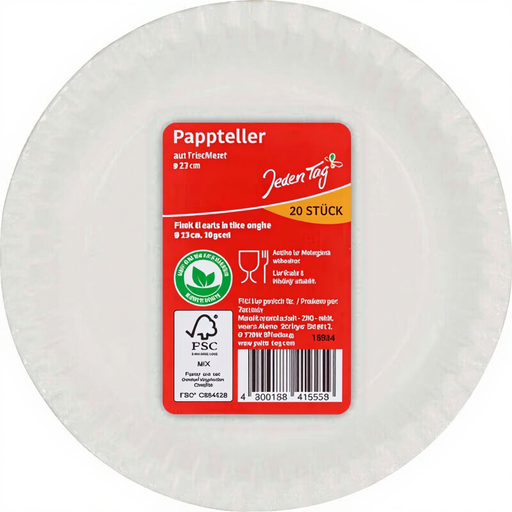
Why this product suits this profile: The pack of 20 white paper plates is suitable for smaller celebrations, picnics and occasional barbecues. With a diameter of 23 cm, they offer space for typical main courses.
The quantity is clearly stated. The product description also explicitly sets out the limitations regarding microwave use and boiling liquids.
23 cm diameter, grease-resistant internal coating according to the product description, and easy single-use convenience.
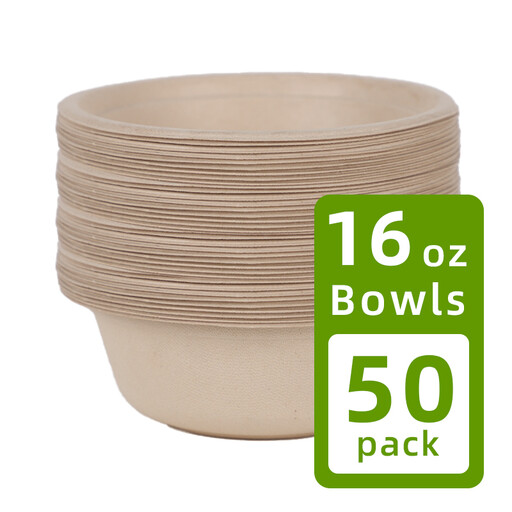
Why this product suits this profile: The 500 ml bowls are designed for soups, sauces and hot foods, and are offered as sugarcane bowls with 50 pieces per pack.
The relevant capacity and intended use for warm, liquid foods are clear from the product name.
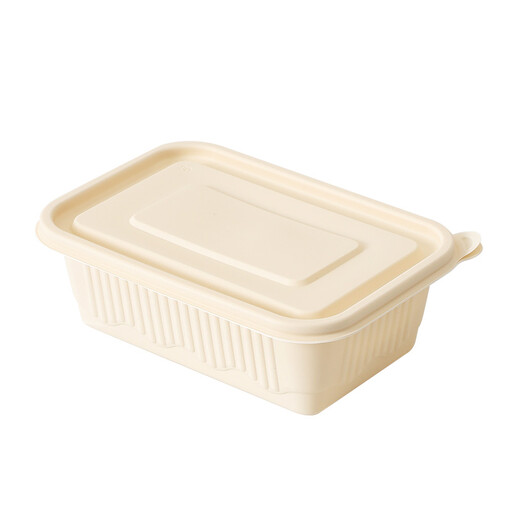
Why this product suits this profile: The disposable lunch box with lid is aimed at offices, catering, takeaway services and picnics where food needs to be transported.
The lid is included in the pack, so there is no need to arrange a separate closure system.
750 ml capacity, 20 pieces per pack and transparent lid according to the product description.
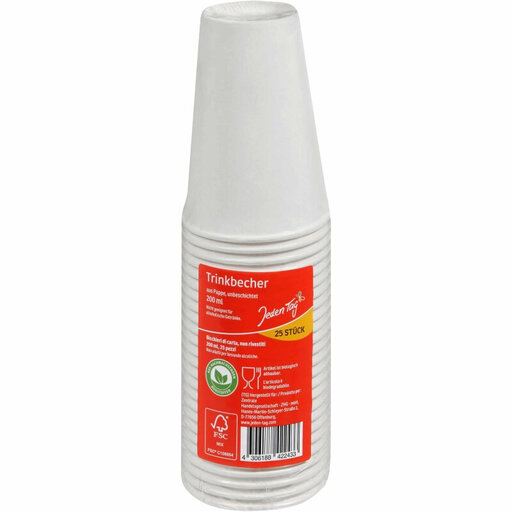
Why this product suits this profile: These 200 ml paper cups are suitable for parties, offices and events where cold or hot drinks are served in smaller portions.
The product description specifies the recommended fill level, dry storage and single-use design.
200 ml capacity, paper material and suitability for hot and cold drinks according to the product description.
We have put together a complete, regularly updated list of products that fully meet these strict selection criteria and the safety regulations applicable in the EU.
For a more sustainability-focused picnic or barbecue, sugarcane tableware, compostable plates or bamboo-fibre tableware are worth considering. According to the product description, the Ochama sugarcane-fibre plates are microwave-safe and biodegradable. Before buying bamboo-fibre products such as the RuiBamboo bowls, trays or clamshell boxes, you should check the specific material and disposal information.
For drinks, the Huacan 100pcs Mixed Color Disposable Straws complement a party or catering set. The pack size of 100 pieces is particularly relevant for larger events. With disposable cutlery and straws, the design, length and pack quantity should suit your drinks service.
As a basic guideline, plan for one plate, one bowl, one cup and one cutlery set per person. For longer celebrations, multiple courses or self-service buffets, it is sensible to have a reserve. Additional cups may be needed for children and changes of drink.
Only if the supplier explicitly states that it is. Paper or sugarcane plates may react differently depending on their coating and material. The guidance for the individual product is decisive; general claims about paper plates or compostable plates are not sufficient.
This depends on the material, labelling and local authority requirements. “Biodegradable” does not automatically mean that the item can be disposed of in the food-waste bin. Check the packaging instructions and information from your local waste disposal provider before use.