
Lieferung heute & morgen

Qualitätsgarantie

Willkommens-Angebote freischalten: KOSTENLOSE Lieferung | Bis zu 80 % RABATT | Kostenlose 30-Tage-JoyPlus-Testphase
App herunterladen
A divided plate is a practical tool for anyone who values organised meals. Whether for portion control as part of a mindful diet, for attractively serving snacks, or to prevent sauce from soaking the vegetables—the reasons for using a sectioned plate are many. However, the market is full of products whose real-world practicality only becomes apparent through daily use. Many buyers discover only after a short time that their chosen model doesn't meet their needs.
This guide will help you avoid common pitfalls and identify the crucial features, enabling you to make an informed decision.
Choosing the wrong product often leads to frustration. Here are two common problems you can avoid:
To find the right portion plate, you should carefully examine two core parameters. These determine the durability, safety, and practical utility in everyday life.
The material is the foundation of safety and functionality. The most common options have specific pros and cons:
Always ensure that the product complies with EU regulations for food contact materials, such as Regulation (EC) No 1935/2004.
Compatibility with kitchen appliances is a crucial factor for convenience.
To make your decision easier, we have matched some products based on typical usage scenarios.
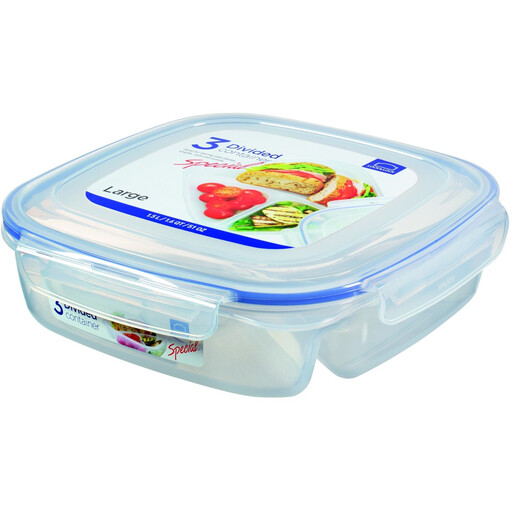
Why This Fits Their Persona: Ideal for meal-prep enthusiasts and professionals who need a reliable system for prepared meals. The thoughtful division and secure locking mechanism make transport hassle-free.
The patented 4-sided locking system with a silicone seal ensures it is highly leak-resistant, solving the problem of leaky containers. The dividers are high, but not completely liquid-tight for soups.
Made from BPA-free polypropylene. Suitable for the freezer, microwave (without lid), and dishwasher.
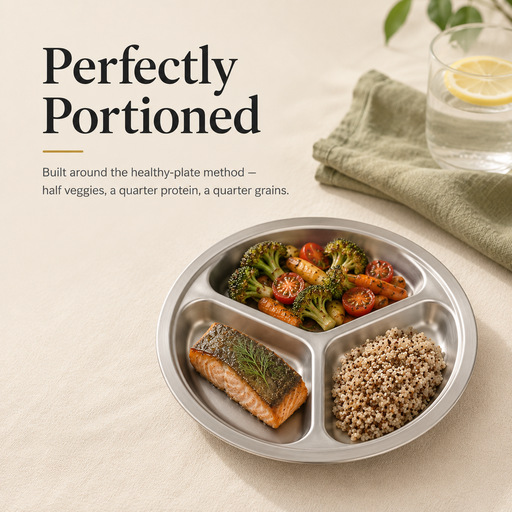
Why This Fits Their Persona: Perfect for parents seeking a durable, safe, and low-maintenance solution for children's meals. The compartment layout encourages a balanced diet, and the robust construction withstands the chaos of family life.
The material is food-grade 304 stainless steel, which is unbreakable and hygienic. Unlike fragile dishes or low-quality plastic, this is a long-term, safe investment.
Extremely durable, dishwasher-safe, and resistant to odours and stains. The seamless construction prevents food from getting trapped in crevices.
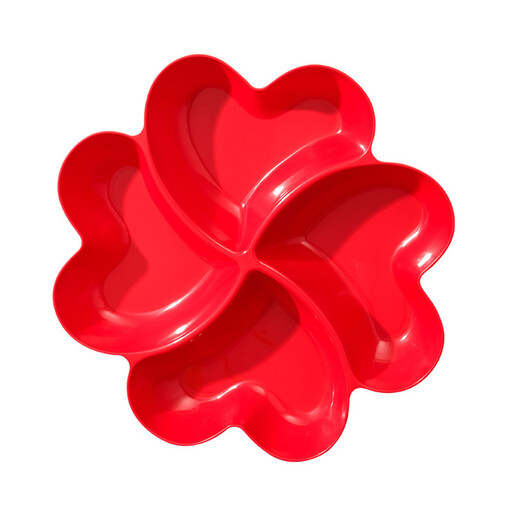
Why This Fits Their Persona: A straightforward and functional solution for parties, family dinners, or buffets. Ideal for serving snacks, dips, side dishes, or desserts without everything mixing together. Lightweight, stackable, and reusable.
This tray is made of durable and food-safe PP plastic. It is shatterproof and dishwasher-safe, making it a far more practical choice than delicate or non-dishwasher-safe alternatives.
Lightweight, stackable for space-saving storage, and easy to clean. The 4-compartment design is versatile for various occasions.
We have compiled a complete, up-to-date list of products that fully meet these strict selection criteria and safety regulations.
1. Are divided plates truly leak-proof between compartments? It depends on the model. Simple divided plates or canteen trays are designed for solid foods and only prevent items from sliding around. Specialised meal prep containers, like the model from LocknLock, feature silicone seals and locking systems that provide a high degree of leak resistance, although very thin liquids like soy sauce might still spread with vigorous movement.
2. What is the safest material for a child's divided plate? Both BPA-free plastic (PP) and 304 stainless steel are safe options. Stainless steel is more resistant to drops and scratches and is completely inert, meaning it won't absorb or leach any substances. BPA-free plastic is lighter and can be used in the microwave, which can be convenient. Both are excellent choices when properly certified.
3. Can I use any portion plate in the microwave? No. Always check the product description or the symbols on the product itself. Stainless steel is never suitable for the microwave. For plastic plates, you must ensure the manufacturer explicitly labels them as microwave-safe. Often, the lid must be removed to prevent pressure build-up.