
Lieferung heute & morgen

Qualitätsgarantie

Willkommens-Angebote freischalten: KOSTENLOSE Lieferung | Bis zu 80 % RABATT | Kostenlose 30-Tage-JoyPlus-Testphase
App herunterladen
A DIY bouncy ball kit promises creative fun and an exciting STEM experiment for home. The idea of creating colourful, bouncing balls from simple granules and water excites children and parents alike. However, the selection of kits is vast, and not every product leads to a successful result. Before your crafting session ends in frustration, it's helpful to know the typical pitfalls that often hide behind colourful packaging.
Many craft kits promise more than they can deliver. To make an informed decision, you should be aware of three common problems that can quickly spoil the fun.
To avoid these pitfalls, it's worth looking at the objective features of a high-quality kit. These criteria will help you choose a product that combines safety, fun, and a successful outcome.
A good DIY bouncy ball science kit should include all the necessary components to get started right away. This includes:
Be sure to look for the CE marking on the packaging. This seal confirms that the product meets the applicable safety requirements of the EU.
Especially for a craft kit for children aged 8 and up, the clarity of the instructions is crucial. Simple, step-by-step explanations, supported by pictures, allow children to conduct the experiment largely on their own. Some kits go beyond simple crafting and, as a STEM toy, offer additional educational value, for instance by providing interesting facts about chemical reactions or, as with crafting planets, about our solar system.
The ability to mix colours individually and cast different shapes fosters creativity. High-quality granules not only ensure vibrant colours but also provide the crucial property: excellent bounciness. Some kits offer special features like glow-in-the-dark granules, which further enhances the play value of the homemade bouncy balls and makes for a great activity for a child's birthday party.
Based on the quality features mentioned, we have identified some products that are suitable for different user profiles.
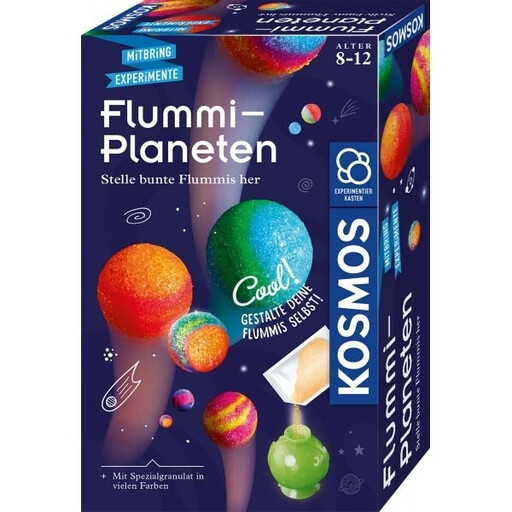
Why This Fits Their Persona: Ideal for children fascinated by space. This kit combines bouncy ball crafting with playful learning about our solar system, making it a perfect gift for kids aged 8 and up that satisfies both creativity and curiosity.
The kit includes all necessary materials in sufficient quantities, plus a colourfully illustrated guide that provides exciting information about the planets alongside the crafting steps. The CE marking ensures certified safety.
Combines creative crafting with STEM learning content on the topic of astronomy. The coloured granules and moulds are specifically designed for the planet-crafting theme.
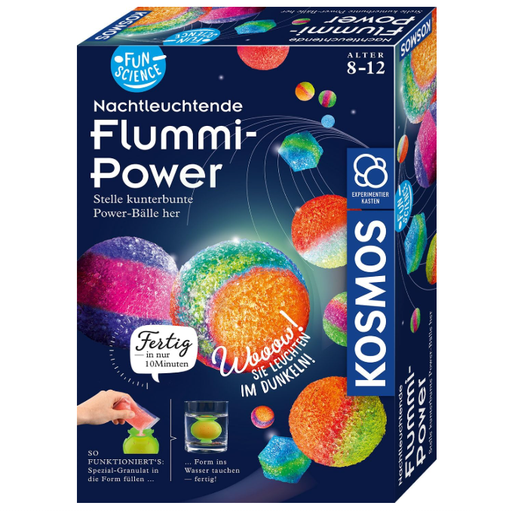
Why This Fits Their Persona: Perfect as an activity for a child's birthday party or for siblings. The kit is designed to make up to 20 bouncy balls and includes special granules that glow in the dark—a highlight for any celebration.
The large quantity of granules in 6 colours plus 3 glow-in-the-dark colours ensures the crafting fun doesn't end too soon. The material is designed for high bounciness and a visible glow effect, meeting children's expectations.
High yield for up to 20 balls and a special glow-in-the-dark effect. Includes two different moulds (round and angular) for more creative variety.
If you're interested in other creative and entertaining toys, we have curated a wide selection of products that meet objective criteria for fun and safety.
1. How long does it take for the homemade bouncy balls to dry and be ready to use? The drying time can vary depending on the manufacturer and the size of the bouncy ball. Typically, the balls need to harden in the mould for about 15-30 minutes after casting. Afterwards, they should be removed from the mould and left to air-dry for another 1-2 hours to develop their full bounciness. You will always find precise details in the instructions included with the respective kit.
2. Are the materials in the craft kits safe for children? Reputable manufacturers who sell their products in the German and European markets must adhere to strict safety regulations. Look for the CE marking on the packaging. It indicates that the product complies with EU standards for toy safety (e.g., EN 71). Nevertheless, the experiment should always be conducted under adult supervision, especially with children under 10, to prevent the swallowing of small parts or granules.
3. Can you buy more granules once they run out? Most manufacturers of science kits do not offer the special granules separately as a refill pack. The kits are designed as self-contained packages. If you plan to make bouncy balls regularly, it may be wise to choose a kit with a larger quantity of granules from the start, such as those offered for group activities or children's birthday parties.