
Lieferung heute & morgen

Qualitätsgarantie

Willkommens-Angebote freischalten: KOSTENLOSE Lieferung | Bis zu 80 % RABATT | Kostenlose 30-Tage-JoyPlus-Testphase
App herunterladen
Washing your own car can be more than just a chore—for many, it's a satisfying activity that preserves the vehicle's value and appearance. However, the car care product market is overwhelming and full of lofty promises. Choosing the wrong products not only risks a disappointing result but can even cause permanent damage to your paintwork. As your Joybuy Product Recommendation Officer, I'll help you identify common purchasing traps and select the right equipment for an efficient, paint-safe car wash.
Before we turn to the solutions, it's important to understand the most common mistakes that often lead to frustration and unnecessary expenses.
To avoid these mistakes, you should focus on objective criteria that ensure effective and safe use. A paint-safe car wash starts with the right hardware.
For maximum flexibility, especially when you need to be washing your car without a hose, a cordless pressure washer is the central component. Look for models with a self-priming function. This allows the device to draw water from any container, like a bucket or a canister. The battery capacity, measured in amp-hours (Ah), and the voltage (V) are crucial for runtime and the pressure it can generate. A device with sufficient power can handle a complete car wash on a single charge.
A thick, stable layer of foam isn't just for show; it's a critical step in the pre-wash process. The foam loosens and lifts dirt particles from the paint surface before you make any mechanical contact. A dedicated cordless foam sprayer is often more effective here than simple attachments for pressure washers. It creates an even blanket of foam that clings to the vehicle for longer, giving dirt time to soak and dissolve. This significantly reduces the risk of scratches during the subsequent hand wash.
The most important piece of car wash accessories for the main wash is the car wash mitt. Models made from high-quality microfiber with long, soft fibers (a deep pile) are the industry standard. Unlike a flat sponge, these fibers trap dirt particles deep within, keeping them away from the paint surface. A good car cleaning kit should always include such a mitt to make the mechanical cleaning phase as safe as possible.
Based on these criteria, we have compiled a selection of products suited for specific needs and use cases.
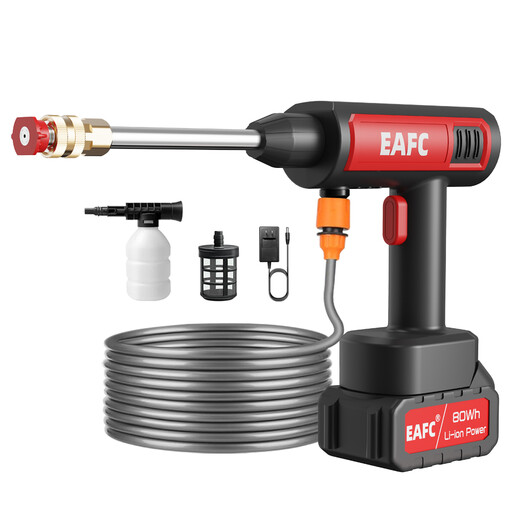
Why it's a great fit: Ideal for users without a fixed power or water connection. The cordless design and ability to siphon water from a bucket make car washing possible in any parking space or apartment courtyard.
This device solves the problem of impractical, stationary pressure washers. Its portability makes it a versatile tool instead of an unused investment.
Battery-powered and self-priming function for maximum independence. Includes a foam sprayer attachment for a basic pre-wash.

Why it's a great fit: Perfect for users who want the most paint-safe pre-wash possible. It generates thick foam without a pressure washer and is ideal for loosening dirt contact-free.
This device enables a gentle pre-clean that minimises the risk of scratches from hand washing. It's the answer to the danger posed by improper washing tools and overly aggressive methods.
Generates thick foam at the touch of a button. The adjustable brass nozzle and cordless operation offer full control and flexibility.
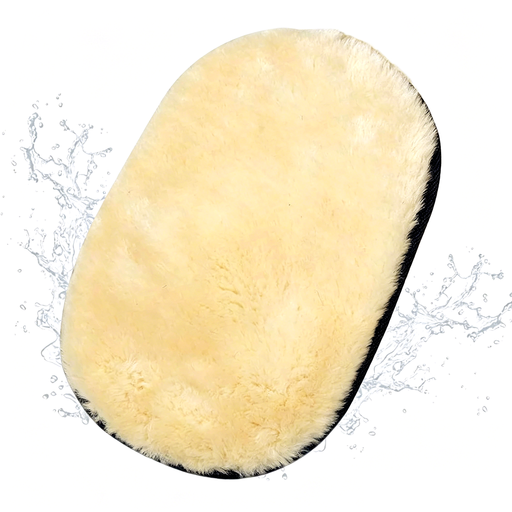
Why it's a great fit: A cost-effective yet powerful upgrade for anyone looking to improve their washing routine. It's the first and most important step away from scratch-inducing sponges.
This product is the direct solution to the "wrong wash tool" trap. The soft, long microfiber strands effectively prevent micro-scratches and protect the paint.
High water and foam absorption for efficient work. The long fibers safely trap dirt particles, minimising scratch risk.
We've curated a comprehensive, up-to-date list of products that meet these strict selection criteria.
1. How often should I wash my car to protect the paint? The ideal frequency depends on usage and environmental conditions. A general guideline is every two to four weeks. More frequent washing is advisable in winter to remove aggressive road salt before it can damage the paint and underbody. Regularity prevents dirt from bonding to and damaging the clear coat.
2. Can I use a cordless pressure washer with water from a bucket? Yes, many modern cordless pressure washers are equipped with a self-priming function. This allows the device to draw water via a hose from an external source like a bucket, canister, or rain barrel. This makes them the ideal solution for washing your car without a hose or a fixed water connection.
3. What is the difference between a cordless foam sprayer and a foam lance? A standalone cordless foam sprayer uses an internal pump to mix air with the shampoo solution, often creating an especially thick and long-clinging foam. A foam lance is an attachment for a pressure washer that uses the water pressure to generate foam. While both methods work, a separate sprayer offers more flexibility as it can be used without a pressure washer and often provides better control over the foam's consistency.