
Lieferung heute & morgen

Qualitätsgarantie

Willkommens-Angebote freischalten: KOSTENLOSE Lieferung | Bis zu 80 % RABATT | Kostenlose 30-Tage-JoyPlus-Testphase
App herunterladen
The desire for thick, long lashes is universal, but regular trips to the lash studio can be both time-consuming and expensive. Fortunately, a wide range of products now makes it possible to achieve fuller, longer lashes right in the comfort of your own home. This article serves as a guide to help you understand the different methods for DIY lash extensions and make an informed choice that suits your needs. We will introduce you to various technologies and product categories, from lash clusters to completely glue-free systems.
The right product for you depends on several factors. To make your decision easier, we have compiled a few objective criteria.
The technology behind false eyelashes has evolved. The three most common systems for at-home application are:
The quality of the fibres used affects both the comfort and the durability of the lashes. Most products on the market are made from high-quality synthetic materials like polyester fibres, which are designed to be lightweight and soft. Check the product description for information on reusability. With proper care—meaning gentle removal and cleaning after wear—many lash models can be used multiple times, making them a cost-effective option.
Based on the criteria above, we have curated a selection of products that cater to different application methods and needs.
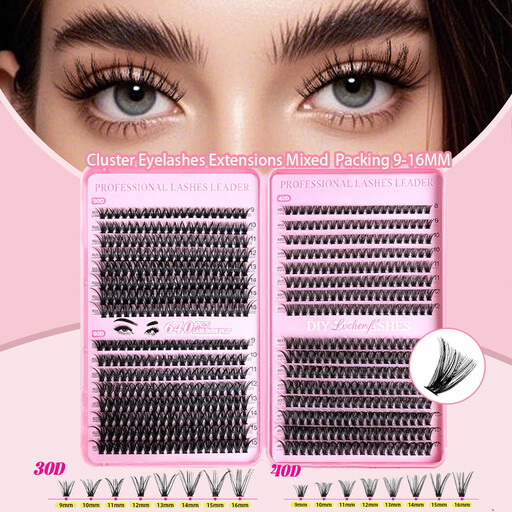
Why it stands out: The Lvcheryl Lash Book is distinguished by its enormous capacity and variety. With 640 individual lash clusters in various densities (40D, 50D, 60D) and lengths (8-17 mm), this set provides an exceptional foundation for fully customisable lash looks. The practical book-style storage keeps everything organised and easily accessible.
Benefits:
Who it's for: For users who love to experiment and want to precisely design their own lash extensions. Ideal for anyone who prefers a large supply of clusters in different styles to create the perfect look for any occasion.
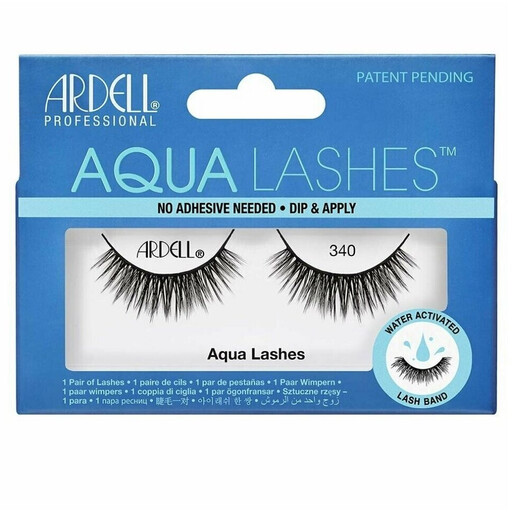
Why it stands out: The Ardell Aqua Lashes revolutionise strip lash application with their water-activated band. A separate glue becomes unnecessary, which significantly simplifies and speeds up the process. The black lash band also creates the effect of a subtle eyeliner.
Benefits:
Who it's for: Perfect for beginners looking for a simple and clean solution. Also a great choice for individuals with sensitivities to the ingredients in traditional lash adhesives.

Why it stands out: This kit combines proven magnetic technology with Ardell's popular "Wispies" style, known for its feathery and textured appearance. The application is a two-step process: first, apply the magnetic eyeliner, then place the lash band on top.
Benefits:
Who it's for: For users who appreciate the hold of an eyeliner and want a reusable, glue-free alternative. Ideal for fans of the Wispies style who desire a quick and effective method for a striking eye look.
The products featured cover some of the most popular methods for DIY lash extensions. If you are looking for other styles, brands, or specific lash shapes, you can find an even broader selection in our false eyelashes category.
1. How long do DIY lash extensions last? The longevity heavily depends on the chosen method. Lash clusters applied with a semi-permanent adhesive (bond) can last for several days up to a week with proper application and care. Daily options like magnetic lashes or water-activated lashes are designed for one day's wear and should be removed before sleeping. However, their reusability makes them a long-lasting solution.
2. Are magnetic lashes safe for the eyes? When used correctly according to the manufacturer's instructions, magnetic lashes and their corresponding eyeliner are considered safe. The eyeliner contains iron oxides, a colorant used in many cosmetics. It is recommended not to get the eyeliner directly into the eye and to remove the product carefully before bed. If you have known sensitivities, a patch test on your arm is advisable.
3. Can you shower or swim with DIY lash extensions? For daily-wear lashes (magnetic, water-activated), it is recommended to remove them before showering or swimming to preserve their shape and adhesive power. For semi-permanently applied clusters, direct contact with strong water pressure and oil-based cleaning products should be avoided to prevent weakening the adhesive's hold. Light splashing with water is generally not an issue.