
Lieferung heute & morgen

Qualitätsgarantie

Willkommens-Angebote freischalten: KOSTENLOSE Lieferung | Bis zu 80 % RABATT | Kostenlose 30-Tage-JoyPlus-Testphase
App herunterladen
Whether you need to cut timber to size, trim branches, shape PVC, or work with carpet and packaging, tools for DIY and gardening need to suit the material and the job at hand. A high wattage or a long list of accessories alone tells you little about how practical a tool will be in everyday use.
This buying guide explains which technical details matter before you buy, which common marketing pitfalls to watch out for, and which tools may suit different types of user.
A figure such as 850 W describes the electrical input power. It does not automatically indicate cutting speed or suitability for every material. When working with timber, branches, plastic and PVC, cutting capacity, the saw blade or chain, and speed control also matter.
Cordless tools have another consideration: the tool, battery and charger form a system. A product supplied without a battery and charger may seem cheaper at first, but it can cost more if you do not already own a compatible battery range.
A generous list of supplied accessories is only useful if the parts are right for the job. For a utility knife, for example, spare blades are important. For a mini chainsaw, you need to consider the chain type, chain tension, oiling system and safe handling.
Before you buy, check:
A tool may be technically suitable but become awkward to use for longer jobs. A non-slip grip, low weight, adjustable guide or tool-free blade change can make it easier to use.
Maintenance should also be part of your buying decision. Chainsaws, for example, need chain oil and regular checks of chain tension. Dust, shavings and resin should be removed from power tools. A blocked dust port or blunt blade can affect the quality of your work.
For cutting timber with straight cuts, a cordless circular saw is suitable, provided its cutting depth and blade diameter are right for the workpiece. A reciprocating saw is more versatile for demolition, branches and a range of materials. A mini chainsaw is designed for garden work on branches, but it is no substitute for a larger chainsaw when tackling thick trunks or extensive felling work.
For cutting PVC, seals and soft trim, mitre shears can offer greater precision and control than a power tool. Carpet, cardboard, film and packaging can be cut with a carpet knife or utility knife.
For a cordless circular saw, the following details are worth checking:
With a reciprocating saw, look for variable stroke rate, stroke length, an adjustable shoe and a blade-change system. These features affect how much control you have when cutting timber, metal or plastic.
For cordless tools, voltage and battery capacity are not the only things that matter. Actual runtime depends on the material, cutting thickness, blade, chain and pressure applied. It is therefore important to check whether you already have a compatible battery.
A tool supplied with two batteries can be handy for longer gardening jobs. The Greenworks circular saw, however, does not include a battery or charger. Factor this into the total cost.
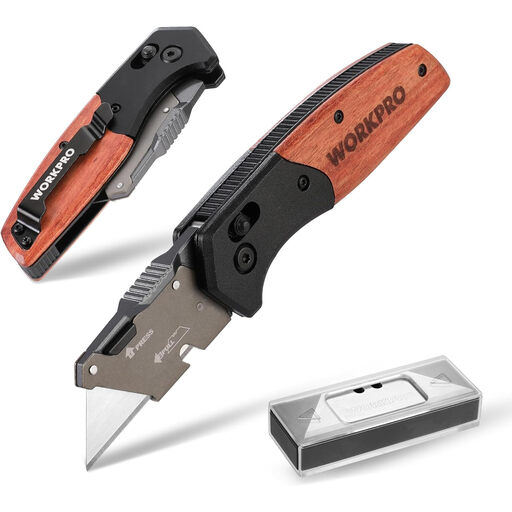
Why this product suits this user: For occasional renovation jobs, cardboard, carpet and packaging, beginners need a compact hand tool without the added cost of a battery or charger.
The sliding lock keeps the blade in position. Tool-free blade changes and ten SK5 replacement blades help avoid the extra cost of buying blades separately.
Weighs 130 g and features a belt clip, folding mechanism and ten SK5 replacement blades.
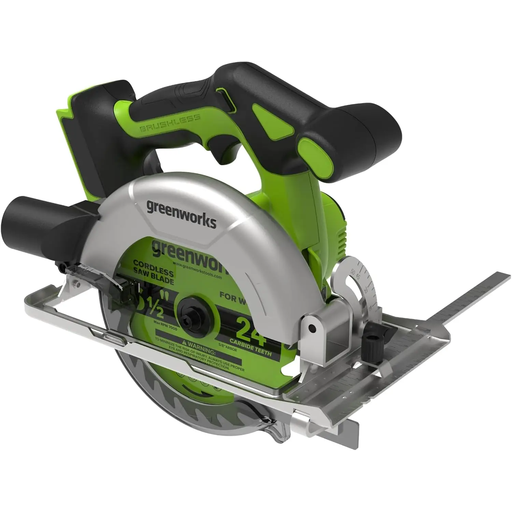
Why this product suits this user: For furniture making, decking and renovation, clearly defined cutting depths, an adjustable mitre angle and a guide for straight cuts are all useful features.
Its technical limits are clearly stated: a cutting depth of 57 mm at 90° and a mitre range of 0 to 45°. The battery and charger are explicitly not included.
165 mm carbide-tipped blade, no-load speed of 5,000 rpm, LED light and a port for 35 mm vacuum hoses.
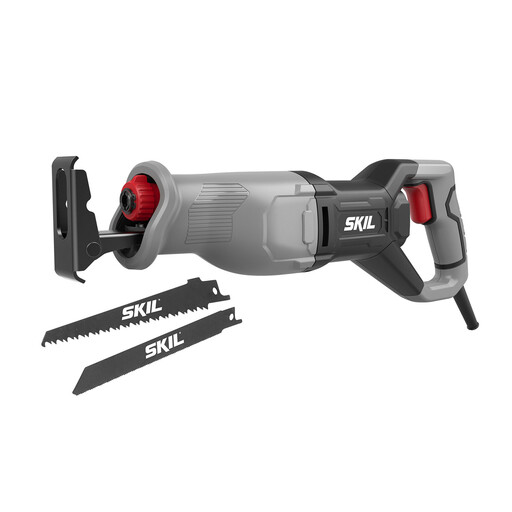
Why this product suits this user: For demolition, cutting jobs and garden work involving different materials, a corded reciprocating saw provides a steady power supply without the need to change batteries.
Variable speed lets you adapt the tool to different materials. The adjustable shoe and tool-free “Click” blade change make repeat jobs easier.
850 W power, variable speed, adjustable shoe and bi-material grip.
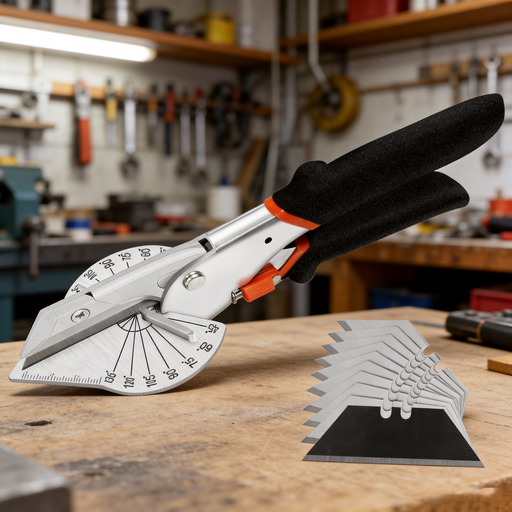
Why this product suits this user: For seals, softwood, plastic, PVC and trim, a manual cutter with an adjustable angle is a good choice when you need controlled cuts.
The engraved scale covers angles from 45° to 135°. There is no need to replace the entire tool when the blades become blunt, as ten SK5 replacement blades are included.
45° to 135° angle range, SK5 steel blades, aluminium handle and ten replacement blades.
We’ve put together a complete, regularly updated list of products that meet these strict selection criteria and fully comply with the safety regulations in force in the EU.
Before each use, make sure the workpiece is securely clamped. When using saws, safety glasses, hearing protection and suitable workwear are essential. Keep your hands away from the blade, chain and moving parts.
Unplug corded tools before changing a blade; remove the battery from cordless tools. Check the chain oil, dust and shavings as instructed by the manufacturer. Do not use power tools in damp or potentially explosive environments. Always follow the instruction manual and observe the material limits stated in it.
A cordless circular saw is suitable for straight cuts in boards, provided it has sufficient cutting depth. A reciprocating saw is a good choice for demolition, rough cuts and working with different materials. A mini chainsaw can be used for cutting branches, as long as you stay within the product’s diameter limits and follow its safety instructions.
Tool life depends on the workload, storage, cleaning, blade quality and maintenance. Blunt saw blades and chains should be replaced or professionally sharpened. For cordless tools, charging cycles, temperature and correct storage all affect battery performance.
As well as the purchase price, ongoing costs can include a battery, charger, replacement blades, saw blades, chains and, where needed, chain oil. If you already own a compatible battery system, you can often buy additional tools without another battery. If you buy a kit with batteries, check that their capacity is suitable for the jobs you have planned.