
Lieferung heute & morgen

Qualitätsgarantie

Willkommens-Angebote freischalten: KOSTENLOSE Lieferung | Bis zu 80 % RABATT | Kostenlose 30-Tage-JoyPlus-Testphase
App herunterladen
A well-stocked toolbox is the foundation of any successful DIY project. However, the market for tools and supplies is vast and confusing. Without careful consideration, it's easy to invest in equipment that causes more frustration than satisfaction, as common defects and exaggerated marketing claims often lead to unnecessary expenses and subpar results. This guide will help you spot the pitfalls and choose the right gear for your projects.
Before you invest, you should be aware of the three most common problems with low-quality tools, which often only become apparent during use:
To avoid these problems, you should pay attention to a few core technical features. These define the functionality and longevity of your tools.
For tool storage, two aspects are crucial: material and mobility. Look for tool chests made from cold-rolled steel. This material offers superior strength and resistance to dents and warping. A powder coating provides additional protection against rust and scratches. The castors and drawers are equally important. Lockable swivel castors ensure stable positioning, while ball-bearing drawer slides guarantee smooth and quiet operation, even under heavy loads.
For work on vehicles or in tight spaces, the wrench's mechanism is critical. A 72-tooth ratchet mechanism is a key industry standard. It requires only a 5-degree swing arc to engage the next tooth. Compared to basic ratchets with 30- or 60-degree arcs, this allows for efficient work where clearance is minimal. Models with a 180-degree flex-head offer added flexibility to reach even the most hard-to-reach bolts.
To achieve a clean paint finish, matching the paint roller to the surface is essential.
Based on these criteria, we have selected a few products suited for specific user profiles.

Why it's a match: Ideal for DIY enthusiasts seeking a sturdy and mobile solution to organise their garage or workshop, with an emphasis on durability.
The cold-rolled steel construction and powder-coated finish directly counter the problem of unstable, rusting tool chests. The lockable brake castors ensure a secure footing.
The multi-level drawer classification allows for organised storage by tool size and type. The lockable design protects valuable or hazardous tools from unauthorised access.
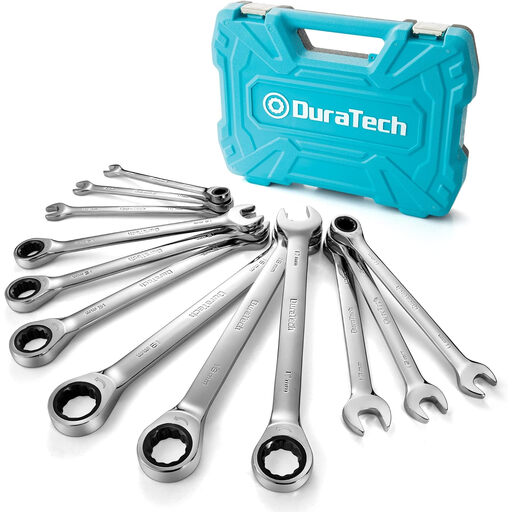
Why it's a match: Perfect for automotive and machinery repairs that require loosening bolts in hard-to-reach places. A must-have for any automotive tool collection.
The 180-degree flex-head and the 72-tooth ratchet mechanism, with its minimal 5-degree swing arc, solve the problem of unwieldy tools in tight workspaces.
Crafted from chrome vanadium steel for high strength and durability. The set covers the most common metric sizes from 8 to 19 mm and comes in a convenient roll-up pouch.
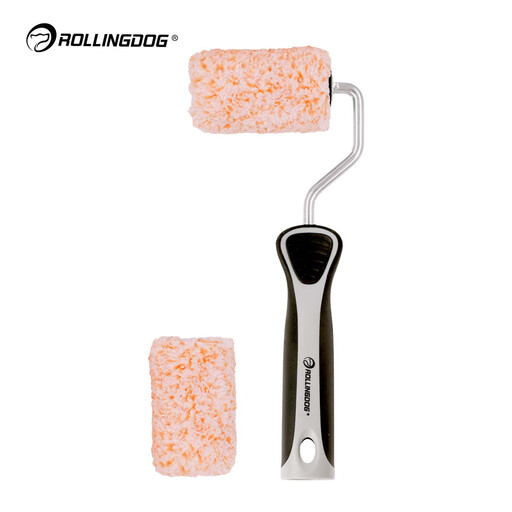
Why it's a match: Designed for detail painting and smooth surfaces like furniture, doors, or cabinets where a flawless finish is required.
The high-density foam rollers are specifically designed for smooth surfaces, preventing the streaking and uneven texture that result from using unsuitable painting supplies.
The 50 mm jumbo-mini design offers excellent control and paint pickup for efficient work on small to medium-sized projects. The set is compatible with all paint types.
We have compiled a complete, up-to-date list of products that fully meet these strict selection criteria and applicable standards.
1. How can I identify durable tools? Pay attention to the material specifications. For steel tools, designations like chrome vanadium steel (Cr-V) or cold-rolled steel are indicators of high strength and durability. A clean finish without sharp burrs and precisely functioning mechanical parts (e.g., ratchets) are also important quality marks.
2. How should I store tools correctly to prevent rust? The most important rule is to store them in a dry place. Keep tools in closed toolboxes or cabinets, ideally in a room with low humidity. Drawer liners prevent scratches and can absorb moisture. Clean and thoroughly dry tools after each use. A thin film of machine oil can provide extra protection for susceptible metal parts.
3. What basic tool kit makes sense for a first apartment? For basic repairs and assembly, a starter kit should include: a hammer, a set of screwdrivers (flathead and Phillips), combination pliers, a tape measure, and a small set of ratchet wrenches or a socket set. This basic equipment will handle most everyday tasks.