
Lieferung heute & morgen

Qualitätsgarantie

Willkommens-Angebote freischalten: KOSTENLOSE Lieferung | Bis zu 80 % RABATT | Kostenlose 30-Tage-JoyPlus-Testphase
App herunterladen
Choosing the right tools can make or break a DIY project. But the market is flooded with sets that promise more than they deliver. An unsuitable DIY tool set not only leads to frustration but also to unnecessary expenses. This guide will help you identify the crucial features and make an informed choice for your DIY workshop equipment.
Before we dive into the key parameters, let's shed light on the typical marketing traps that often lead to disappointment.
To avoid these traps, focus on verifiable technical features. These three aspects are critical for the longevity and functionality of your tools.
For any ratchet screwdriver set or precision tool kit, the material of the bits is of central importance. Look for the S2 tool steel designation. Unlike the softer CR-V steel, S2 steel offers significantly higher hardness and wear resistance. This means the bits retain their shape even at higher torque, grip the screw head more precisely, and considerably reduce the risk of stripping. This is a decisive advantage, especially with frequently used screw profiles like Phillips or Torx.
For woodworking clamps, two factors are paramount: the stability of the bar and the quality of the clamping pads. A hardened steel bar prevents bending under load and ensures even pressure. Equally important are soft yet robust protective caps on the jaws, which protect the workpiece from scratches and dents. A modern one-handed clamp also often offers a spreading function by reversing the fixed clamping arm—a useful additional feature for many assembly jobs.
With a cordless rotary tool, often used for model making tools or engraving work, the motor type is a quality indicator. Brushless motors are the more advanced choice here. They operate more quietly, generate less heat, and are more energy-efficient, resulting in longer battery life with consistent power. Another practical aspect is a universal charging port like USB-C, which eliminates the need to carry separate chargers.
Instead of making a one-size-fits-all recommendation, we have identified products tailored to specific user profiles and their requirements.
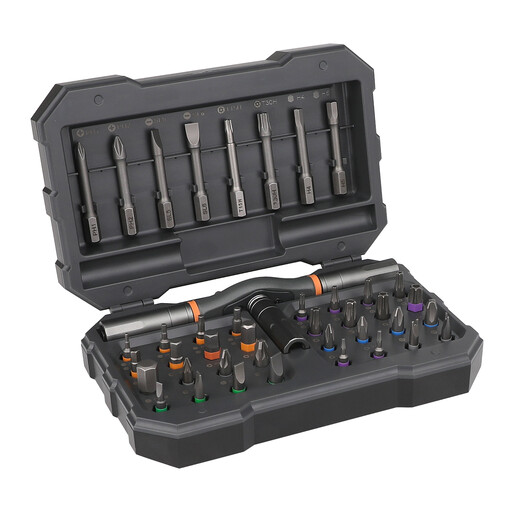
Why it's a great fit: Ideal for furniture assembly, minor electronics repairs, and general DIY tasks. The flexible design with a T-handle allows for work in tight or deep spaces where a normal screwdriver can't reach.
Instead of relying on an overwhelming number of bits, this set focuses on 40 essential bits made from S2 tool steel. This prevents premature wear and ensures a long service life.
Combines the function of a ratchet screwdriver and a wrench. The strong magnetic interface holds the bits securely in place.
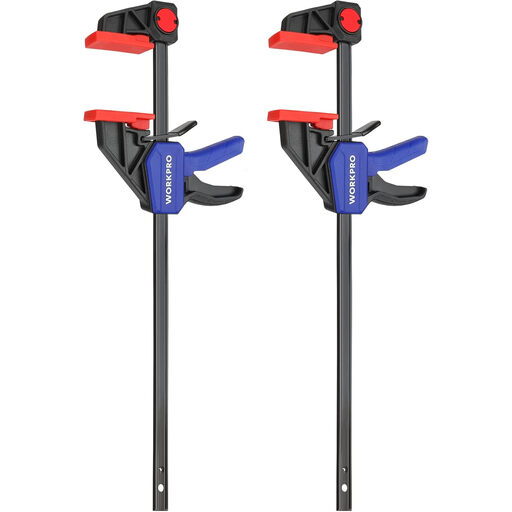
Why it's a great fit: Perfect for woodworking projects that require reliable clamping for gluing or assembly. With a 12-inch (305 mm) clamping capacity, it's suitable for medium-sized workpieces. The spreading function up to 17.3 inches (440 mm) offers additional flexibility. Smaller projects? There's also a 6-inch (150 mm) version.
The clamp features a hardened steel bar that won't bend under its specified 150 lbs (68 kg) load. Soft protective pads prevent marks on the wood—a common problem with cheaper models.
Allows for quick one-handed operation with its quick-release button and converts from a clamp to a spreader without any tools.
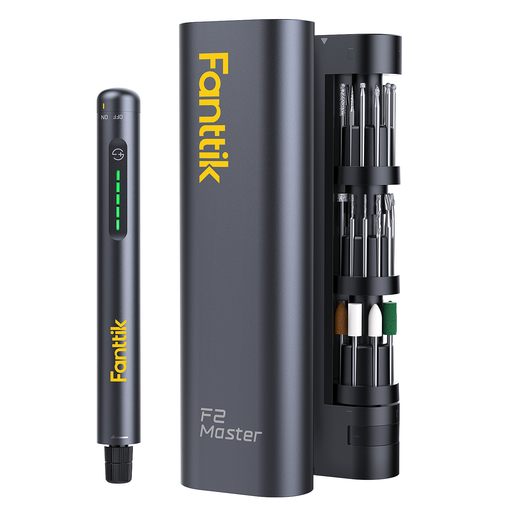
Why it's a great fit: Designed for detail work like engraving, polishing, finishing 3D prints, or delicate **model making**. Its light weight and pen-like shape allow for steady, precise control.
It uses a brushless motor that, according to the manufacturer, is 30% quieter and generates less heat than standard motors. This ensures consistent performance up to 25,000 RPM without rapid battery drain.
The magnetic stand (Revostor Hub) keeps 35 accessories organised and within reach. Charging is done conveniently via a universal USB-C port.
We've compiled a comprehensive, up-to-date list of products that fully meet these strict selection criteria and all applicable safety regulations.
1. How can I identify a good ratchet screwdriver set? A good set is distinguished by the material quality of its bits—look for S2 steel. Additionally, a fine-toothed ratchet mechanism is advantageous as it requires a smaller return angle in tight spaces. A strong magnetic bit holder is also a sign of a well-thought-out design.
2. How much clamping force do I need for woodworking clamps? For most DIY projects, like gluing boards or securing components, a clamping force of around 150 lbs (68 kg) per clamp is sufficient. More important than extremely high force is the even distribution of pressure achieved by using multiple clamps.
3. Is a cordless rotary tool worthwhile for model making? Yes, for precision work, a cordless tool is a major advantage as it offers maximum freedom of movement. A lightweight model with adjustable speeds and a good selection of fine attachments (for grinding, polishing, engraving) is a valuable addition to any model making tool collection.