
Lieferung heute & morgen

Qualitätsgarantie

Willkommens-Angebote freischalten: KOSTENLOSE Lieferung | Bis zu 80 % RABATT | Kostenlose 30-Tage-JoyPlus-Testphase
App herunterladen
As a Joybuy Product Recommendation Officer, I see every day how challenging it can be to select the right DIY supplies. The market is flooded with products that often promise more than they deliver. The wrong tool not only leads to frustration but also costs time and money. This guide will help you navigate common pitfalls and make an informed decision for your next project.
Before deciding on a product, it's helpful to know the most common problems that arise with low-quality tools.
To avoid these pitfalls, you should check a few core technical features before buying. These objective criteria will help you evaluate a product's durability and functionality.
The quality of the material used is directly responsible for a tool's lifespan and performance.
Ensure that the tool or accessory fits your existing equipment or complies with common industry standards.
Choose tools designed for your specific tasks. A professional tradesperson needs different DIY tools than a homeowner who occasionally hangs a picture. A specialized painting tool kit for painting an apartment is often more practical than a general set that contains a little bit of everything but excels at nothing.
Here are some product recommendations tailored to different user profiles and their specific needs for renovation supplies.
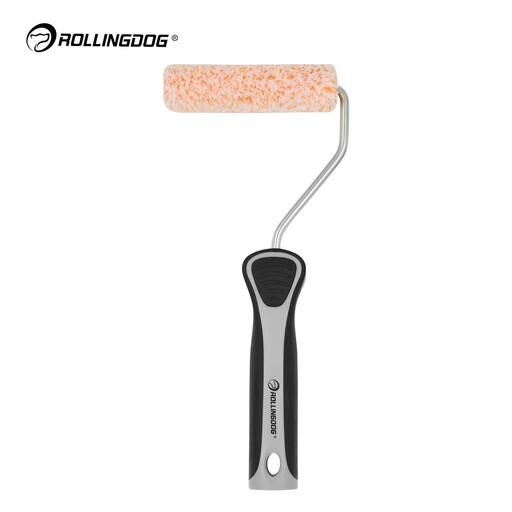
Why this product is a good fit: Ideal for those who occasionally touch up a wall, paint furniture, or repaint a single room. This kit includes everything you need to get started immediately, without having to invest in a large, expensive collection.
It avoids the "oversized kit" pitfall. You get exactly what you need for small to medium projects. The galvanized steel frame is also more durable than simple plastic alternatives.
A complete set including a frame and a microfibre roller for a smooth finish. The ergonomic design ensures excellent control for detail work.
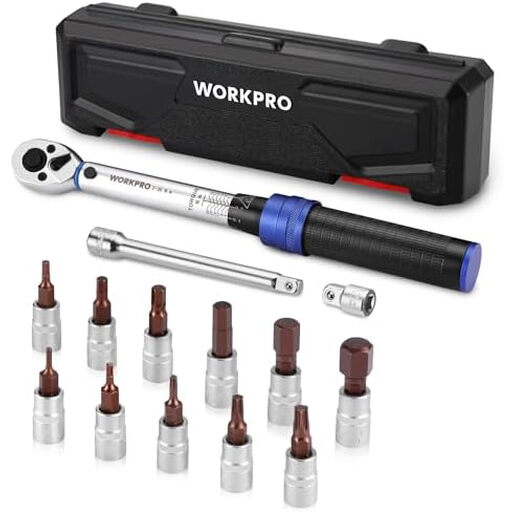
Why this product is a good fit: For ambitious DIY enthusiasts working on bicycles, motorcycles, or other mechanical equipment where precise torque settings are crucial to avoid damaging components.
This tool counteracts the "poor quality" pitfall. It offers a documented accuracy of ±3% and a clear click signal that prevents over-tightening. The set is focused and includes the most common bits.
Precise torque range from 2-26 Nm. The 72-tooth ratchet allows for work even in tight spaces. Includes an extension and adapter for versatile applications.
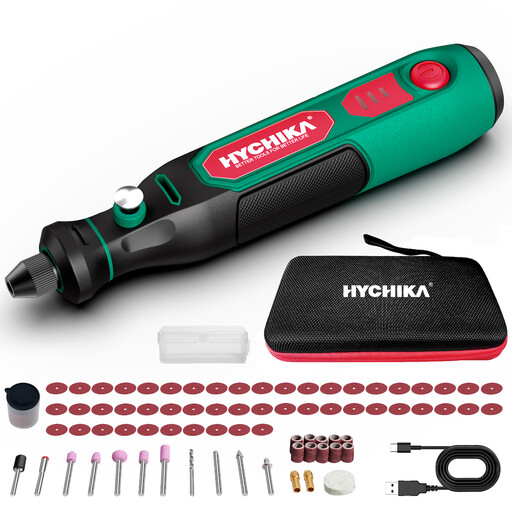
Why this product is a good fit: Perfect for hobbyists, model makers, and creatives who need a versatile tool for delicate tasks like engraving, polishing, drilling, or sanding. The cordless design offers maximum flexibility.
This is a focused kit with 77 accessories, not overloaded with unnecessary parts. The three optimised speed settings are more practical than models with five or more speeds that are rarely all used.
Very lightweight (250g) and cordless, featuring a modern USB-C charging port. The tool-free chuck system allows for quick and secure accessory changes.
We've compiled a complete, up-to-date list of products that fully meet these strict selection criteria and adhere to the highest safety standards.
1. What should I look for in a starter tool kit? Focus less on the sheer number of pieces and more on the quality of the essentials. A good starter kit should include a solid hammer, an assortment of screwdrivers (flathead and Phillips), combination pliers, a set of wrenches, and a tape measure. The tools should feel comfortable in your hand and be made from durable material like CrV steel.
2. How do I properly care for painting tools to reuse them? Clean brushes and rollers immediately after use. For water-based paints, a thorough cleaning with warm water and a little dish soap is sufficient until the water runs clear. For solvent-based paints, use the cleaner recommended by the paint manufacturer. Afterwards, let the tools air dry completely to prevent mould or rust on the frame.
3. Which sandpaper grit is suitable for which job? A simple rule of thumb is: