
Lieferung heute & morgen

Qualitätsgarantie

Willkommens-Angebote freischalten: KOSTENLOSE Lieferung | Bis zu 80 % RABATT | Kostenlose 30-Tage-JoyPlus-Testphase
App herunterladen
Whether you are assembling furniture, renovating, working with wood or carrying out minor repairs, DIY tools need to suit the job, the material and the equipment you already have. An impressive all-in-one offer is not automatically practical. Details such as the battery system, cutting depth, dust extraction and storage quality often determine whether a tool gets used regularly.
This buying guide helps you compare DIY tools, power tools and hand tools using clear, practical criteria.
A high item count may sound convincing at first. In practice, however, what matters is which tools are actually included. A tool case should contain screwdrivers, pliers, bits, a tape measure, a spirit level and a suitable hammer. Also check whether the sizes and drive types are suitable for the tasks you carry out most often.
A set containing 83 tools plus 135 screws and wall plugs can provide a broad basic collection for household repairs. However, the weight and dimensions of the case are also relevant if it will be transported regularly.
When choosing a cordless drill driver or a cordless circular saw, do not compare voltage and speed alone. It is essential to check whether the battery and charger are included, and whether they are compatible with a battery system you already own.
For example, the Greenworks circular saw is supplied without a battery or charger. This makes it a sensible choice for users with a compatible 24 V battery, but beginners will need to budget for additional purchases. The Bosch EasyDrill 18V-38, on the other hand, is listed with an 18 V battery and belongs to the POWER FOR ALL ALLIANCE. Even so, compatibility should be checked against the manufacturer’s specifications before buying.
High speeds alone reveal little about a tool’s suitability. For woodworking, cutting depth, blade diameter and cutting angle are among the important factors. For an electric sander, consider the sanding area, suitable grits and whether the dust collection system works effectively.
A multi-tool for detailed sanding, polishing or engraving is not a substitute for a large-area sander. A hand saw or hacksaw may be sufficient for individual cuts, while a circular saw can save time when making repeated straight cuts.
When comparing cordless tools, consider:
For a cordless circular saw, the cutting depth at 90°, bevel adjustment and saw blade diameter are key comparison points. According to the product specifications, the Greenworks 24V circular saw has a 165 mm carbide-tipped blade, a cutting depth of up to 57 mm at 90° and a bevel adjustment from 0 to 45°.
When choosing a cordless drill driver, pay attention to the torque settings, number of gears, chuck size and maximum drilling diameters. According to the product description, the Bosch EasyDrill 18V-38 offers 20 torque settings, a two-speed gearbox, a 10 mm keyless chuck and maximum torque of 38 Nm.
Different sanding grits are important when choosing an electric sander. P80 is typically suitable for more aggressive material removal, P120 for intermediate stages and P240 for finer surfaces. The most suitable grit depends on the material and the finish you want to achieve. An integrated dust box or vacuum adapter can make cleaning easier, but it does not replace suitable personal protective equipment.
Screw clamps are often underestimated accessories for woodworking and assembly tasks. Check the clamping span, throat depth, clamping force and protection provided for the workpiece surface. Soft pads are advisable when working with delicate materials.
For hand saws, blade length, tooth pattern and material suitability are important. A 150 mm bi-metal saw is designed for certain cuts in wood, plastic or soft metals. A 53 cm bow saw, by contrast, has a longer frame and may be more suitable for other cutting situations.
When choosing a tool case, look for secure holders, corrosion protection and a clear layout. A wheeled case makes transport easier, but is heavier and requires more storage space.
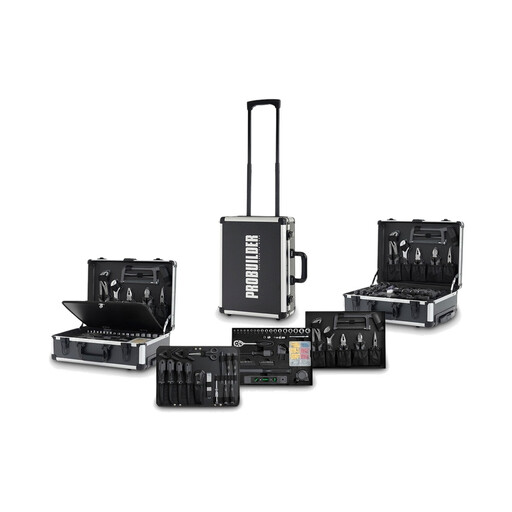
Why this product suits this profile: The selection covers many typical household assembly and repair tasks, so you do not need to buy every hand tool separately.
The number and contents of the components are clearly specified. This allows you to check before buying whether screwdrivers, pliers, bits and fixing materials are actually included.
83 tools, 135 screws and wall plugs, plus a case with trolley function; stated net weight: 7.8 kg.
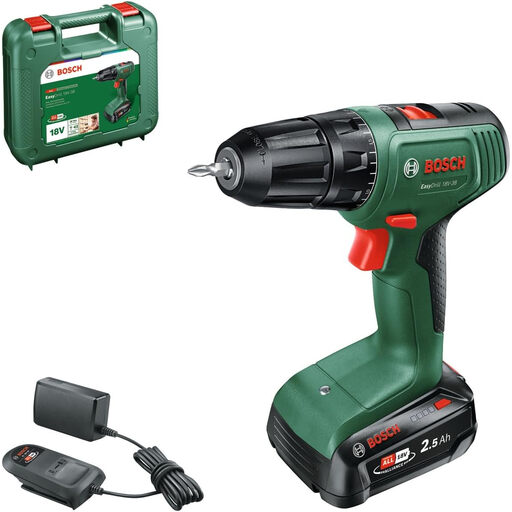
Why this product suits this profile: The tool combines clearly specified torque settings, two gears and a 10 mm keyless chuck for controlled screwdriving and drilling around the home.
The system compatibility, battery voltage and technical specifications are clearly stated. This means compatibility with existing POWER FOR ALL devices can be checked precisely.
38 Nm maximum torque, 20 torque settings, two-speed gearbox and LED work light according to the product specifications.
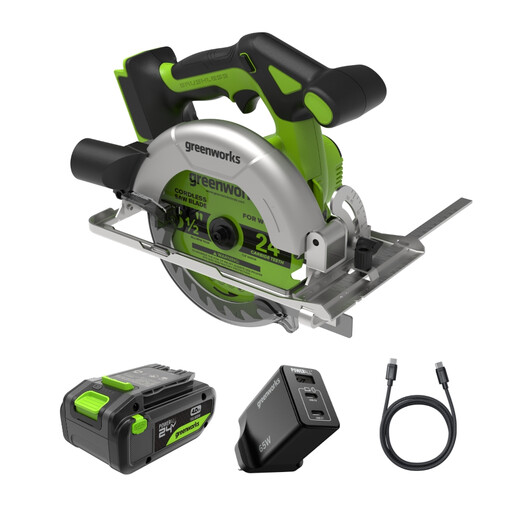
Why this product suits this profile: For repeated cuts in wood, furniture making or renovation work, this saw offers adjustable cutting angles and a stated cutting depth of up to 57 mm.
The missing battery and charger are clearly stated. This allows buyers to account for any additional requirements before placing an order.
165 mm carbide-tipped blade, 5,000 rpm no-load speed, 0–45° bevel adjustment, LED light and dust port for 35 mm vacuum hoses.
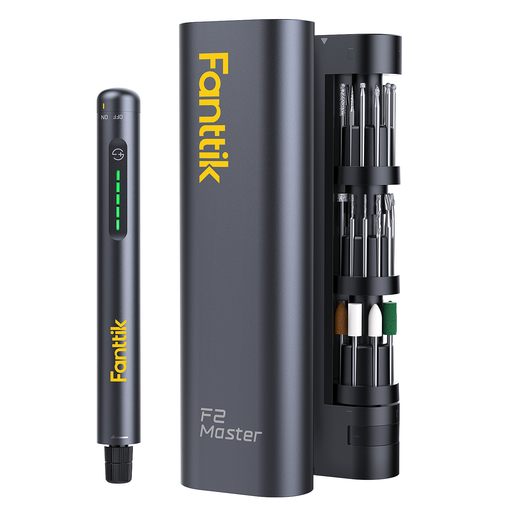
Why this product suits this profile: This compact multi-tool is designed for users who want to engrave, polish, sand or carry out small drilling jobs on models, craft projects and 3D-printed parts.
The intended uses and accessory interface are clearly described: the collet is designed for 3/32-inch accessories with a 2.3 mm shank.
Five speed settings, up to 25,000 rpm, 35 accessories and USB-C charging according to the product description.
We have put together a complete, regularly updated list of products that fully meet these strict selection criteria and the safety regulations applicable in the EU.
Before use, read the instruction manual, secure workpieces firmly and wear suitable safety glasses. When using saws and sanders, hearing and respiratory protection may also be required. Batteries should be stored in a dry, frost-free place in accordance with the manufacturer’s instructions. Remove the battery before carrying out maintenance or changing a saw blade.
Ongoing costs include replacement saw blades, sandpaper, bits, batteries and, where applicable, vacuum adapters. A tool with standardised accessories or a widely used battery system may be easier to expand in the long term. Nevertheless, check the prices and availability of consumables before buying.
For many households, a tool set with screwdrivers, pliers, bits, a hammer, tape measure and spirit level provides the essentials. A cordless drill driver can be a useful addition. Depending on the project, woodworking may also require a hand saw, bow saw, screw clamps and sandpaper.
Service life depends on how often the tool is used, the level of strain, storage, cleaning and how the battery and accessories are handled. Overloading, blocked ventilation slots and blunt saw blades increase wear. Regular visual inspections and replacing worn consumables can help extend the tool’s practical service life.
For cordless tools, the main costs apart from electricity are replacement batteries and chargers. Corded tools typically incur electricity and accessory costs. With an electric sander or circular saw, abrasives and saw blades are often more significant ongoing expenses than the cost of a single charging cycle.