
Lieferung heute & morgen

Qualitätsgarantie

Willkommens-Angebote freischalten: KOSTENLOSE Lieferung | Bis zu 80 % RABATT | Kostenlose 30-Tage-JoyPlus-Testphase
App herunterladen
The right DIY tools do not need to offer the greatest possible number of functions. What matters is whether the equipment, performance and safety features match your planned project. Furniture making, renovation, repairs and woodworking each have different requirements from occasional assembly jobs.
Many disappointing purchases result from three typical pitfalls:
When choosing power tools, first establish whether the device is corded or battery-powered. An 18-volt cordless drill driver may be sufficient for many assembly and drilling jobs. Torque, speed ranges and battery-system compatibility are also important.
The Bosch EasyDrill 18V-38 works with the 18-volt POWER FOR ALL system. According to the product description, the battery can be used with numerous compatible devices in this system. Nevertheless, check before buying whether the battery and charger are actually included and which devices in your household can be operated with them.
With a cordless circular saw such as the Greenworks 24V Brushless Circular Saw, the battery and charger are not included. If you do not already own Greenworks 24V equipment, factor these additional costs into your budget.
For a circular saw, the blade diameter, maximum cutting depth and bevel range are particularly relevant. According to the product data, the Greenworks model uses a 165-mm blade, achieves a cutting depth of up to 57 mm at 90° and allows bevel cuts from 0 to 45°. This makes it easier to assess its suitability for sheet materials, wooden strips or frame constructions than a general statement such as “powerful”.
With a handsaw, blade length, material and handle design are more important. The BLACK+DECKER model has a 53 cm steel frame, a double-ground steel blade and a knuckle guard. A DIY tool like this can be useful for occasional cuts where no power supply is available. For highly precise wood joints, however, the tooth pattern is crucial and must match the material.
A random orbital sander or detail sander should not be selected based on speed alone. The sanding surface, method of attaching the abrasive sheets, dust container and option to connect a vacuum cleaner are equally important.
According to the product details, the HYCHIKA detail sander with 200 watts operates at 14,000 revolutions per minute and comes with 12 sheets of abrasive paper in P80, P120 and P240 grades. This makes it easier to get started on different surfaces. The compact shape is useful for fine work in corners; for large surfaces, a larger sander is usually more time-efficient.
Before buying a tool set, also check whether it contains genuinely useful, frequently needed items or whether the case mainly consists of specialist attachments that are rarely used. A tool case with fewer but better-suited components may be more practical than a comprehensive set containing duplicate screwdrivers and unused accessories.
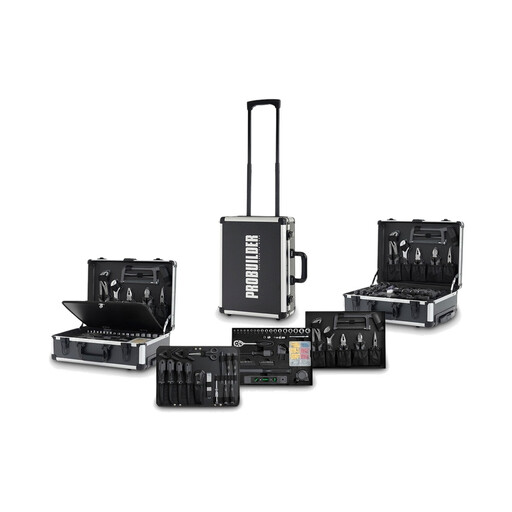
Why this product suits this profile: This set covers typical assembly, repair and hanging jobs around the home, while also including screws and wall plugs. The wheeled case makes it easier to transport between your home, cellar and workshop.
The contents are clearly stated as 83 tools plus 135 screws and wall plugs. This makes it easier to check before buying whether the basic equipment meets your needs.
83 tools, a 135-piece accessory set and an aluminium-plastic case with a trolley function.
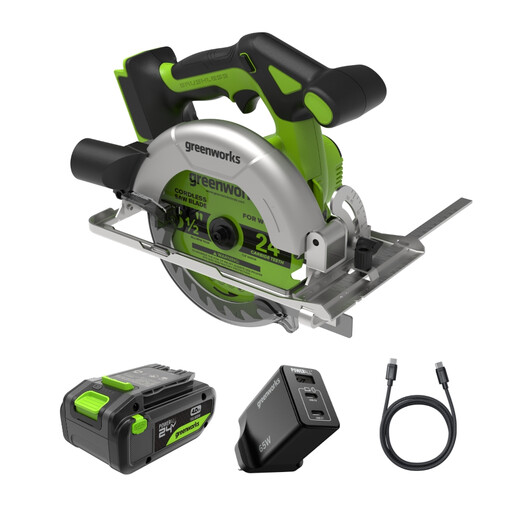
Why this product suits this profile: For woodworking, furniture making and renovation projects, this saw offers adjustable cutting angles and a stated cutting depth of 57 mm at 90°.
The key specifications are clearly stated: 165-mm blade, 5,000 rpm, 0–45° bevel range and 57 mm cutting depth. The battery and charger need to be accounted for separately.
Brushless motor, LED work light, guide rail and connection for 35-mm vacuum hoses.
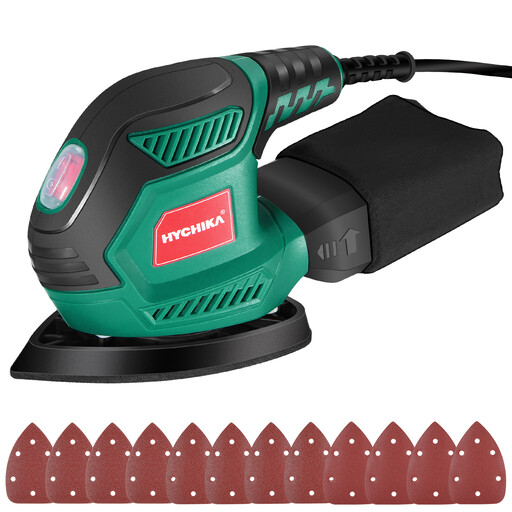
Why this product suits this profile: The compact sanding shape is ideal for corners, furniture edges and smaller surfaces, and can be used on wood, metal and plastic.
The contents include 12 sanding sheets in three grades. Integrated dust collection is provided, but for particularly dusty jobs it does not replace suitable personal protective equipment.
200-W motor, 14,000 rpm, hook-and-loop attachment and removable dust container.
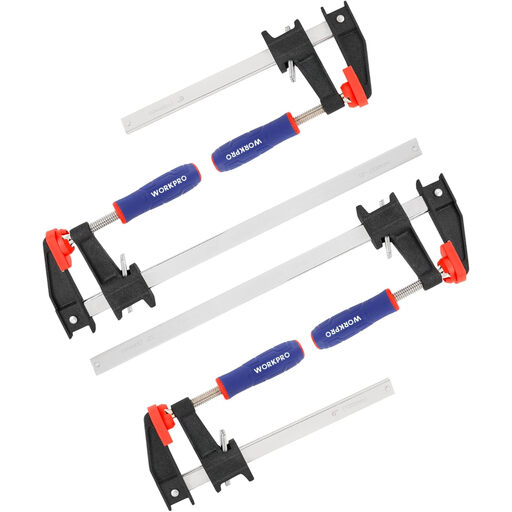
Why this product suits this profile: Several clamps with different clamping ranges are useful when gluing and assembling furniture components. The set contains two 150-mm and two 300-mm clamps.
The clamping range, throat depth and stated clamping force are clearly specified. Protective caps are designed to prevent contact marks on delicate surfaces.
Four clamps, 80 mm throat depth, quick adjustment and a stated clamping force of 272 kg.
We have put together a complete, regularly updated list of products that fully meet these strict selection criteria and the safety regulations applicable in the EU.
Before each use, workpieces should be securely fixed in place and tools checked for visible damage. When sawing, safety goggles and suitable hearing protection are essential. When sanding, a suitable dust mask is advisable, depending on the material and the dust produced.
Disconnect cordless tools from the battery before changing blades, sanding sheets or bits. Ventilation slots, saw blades and dust connections must be kept clean. Store handsaws in a dry place; damaged or blunt saw blades should be replaced. Screw clamps and clamps must not be loaded beyond the specified clamping force.
For basic repairs, screwdrivers, pliers, a hammer, tape measure, spirit level, bits and an adjustable spanner are useful. A tool case with clearly stated contents makes comparison easier. Power tools such as a cordless drill driver or multi-tool should only be added when you have specific projects that require them.
Service life depends on the materials, workload, storage conditions and care. With power tools, battery cycles, overloading and exposure to dust also affect how long they last. Regular cleaning, dry storage and using the right attachments can help reduce wear.
Running costs mainly consist of the electricity used for charging, replacement batteries and consumables such as saw blades, sanding sheets or bits. Using a shared battery system can make sense if you plan to buy several compatible devices. If you only use tools occasionally, a corded device or hand tool may be more economical.