
Lieferung heute & morgen

Qualitätsgarantie

Willkommens-Angebote freischalten: KOSTENLOSE Lieferung | Bis zu 80 % RABATT | Kostenlose 30-Tage-JoyPlus-Testphase
App herunterladen
As a Joybuy Product Recommendation Officer, I see the vast selection of tools available for DIY enthusiasts every day. But not every tool that looks impressive at first glance actually delivers in real-world use. A bad purchase isn't just frustrating—it also costs you time and money. This guide will help you spot common traps and find the right DIY tools for your projects.
Before we dive into the key features to look for, let's examine the three most common reasons for disappointment when buying tools.
To avoid these traps, you should pay attention to a few objective criteria before making a purchase. These parameters determine the longevity and functionality of your tools.
For tools that come into contact with moisture, chemicals, or abrasive materials, the material is crucial. Stainless steel is often a smart choice here.
With measuring and marking tools, construction is everything. A combination square, for example, must still guarantee precise 90° and 45° angles even after years of use.
Instead of presenting a generic list, we've selected products tailored to specific profiles and tasks that meet the quality criteria mentioned above.
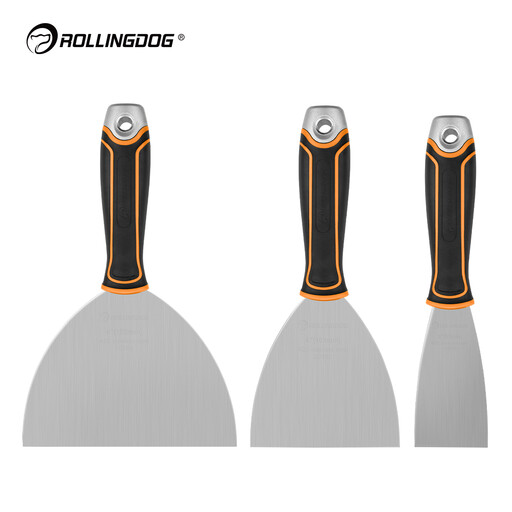
Why This Fits Their Persona: Ideal for DIYers who focus on renovation tasks like filling holes, taping drywall, or smoothing wall surfaces. This set covers the most common use cases.
The blades, made of 420 stainless steel, are corrosion-resistant, bypassing the material trap. The ergonomic rubber grips counteract the ergonomics trap, allowing for precise, low-fatigue control.
The set includes three putty knives in 5 cm, 10 cm, and 15 cm widths, offering great flexibility for various tasks. The integrated metal hammer end on the handle is handy for setting nails.
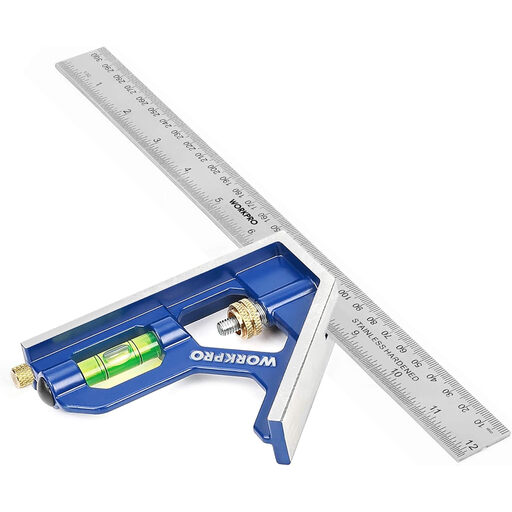
Why This Fits Their Persona: Perfect for users in woodworking and metalworking who rely on exact measurements and angles. An indispensable measuring tool for precise cuts and layouts.
The construction of stainless steel (ruler) and zinc alloy (head) prevents deformation and ensures lasting precision. The double-sided metric and imperial scale is clear and durable.
Multifunctional: Measures 90° and 45° angles, length, depth, and width. The integrated spirit level and scribe pin eliminate the need for additional tools and increase efficiency.
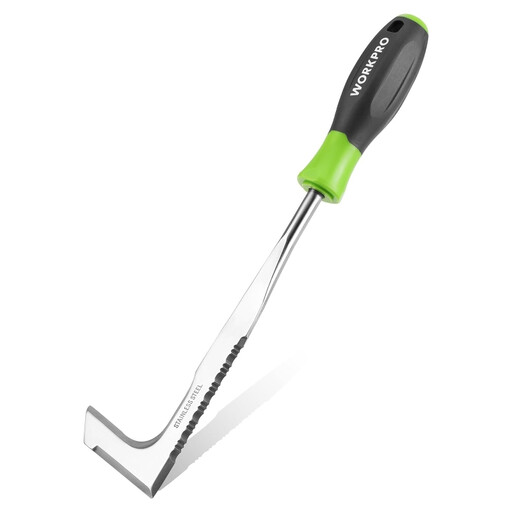
Why This Fits Their Persona: A specialised tool for anyone who needs to remove weeds and moss from pavement joints, walkways, and patios—a task where all-purpose garden tools often fail.
The blade, made of robust stainless steel, is specifically designed for scraping and scratching, withstanding the high abrasion in joints. This prevents the rapid bending or breaking common with low-quality tools.
The special L-shaped design of the blade allows for effective work in narrow cracks and joints. The serrated back provides extra force for removing stubborn debris.
We have compiled a complete, up-to-date list of products that fully meet these strict selection criteria and applicable safety regulations.
1. How do you properly care for stainless steel tools? Even stainless steel benefits from proper care. Clean the tool with water after each use, especially after contact with putty or soil. Then, dry it thoroughly to prevent water spots and any residue buildup. Store the tools in a dry place.
2. What should you look for in a putty knife set? Look for flexible yet sturdy blades made of stainless steel. An ergonomic handle with a non-slip surface is essential for comfortable work. A set with various widths (e.g., 5 cm, 10 cm, 15 cm) offers the most versatility for different tasks, from filling small cracks to smoothing large surfaces.
3. Is a combination square necessary for a DIYer? For simple tasks, a basic square might suffice. However, as soon as you need to work with precision—for example, when building furniture, setting frames, or making exact cuts—a combination square is an incredibly useful tool. It combines multiple functions (angle, length, and depth measurement) and significantly increases the accuracy of your work.