
Lieferung heute & morgen

Qualitätsgarantie

Willkommens-Angebote freischalten: KOSTENLOSE Lieferung | Bis zu 80 % RABATT | Kostenlose 30-Tage-JoyPlus-Testphase
App herunterladen
A dog sleeps or rests for an average of 12 to 14 hours per day. Choosing the right dog bed is therefore a crucial decision for your pet's well-being. The market offers a vast array of shapes, materials, and features, which can make the selection process challenging. This guide is designed to help you understand the key criteria and make an informed decision that meets both your dog's needs and your standards for hygiene and durability.
To find the perfect sleeping spot, three main factors should be considered: material and care, size and shape, and special functional features.
A dog bed is exposed to hair, dirt, and bodily fluids daily. A hygienic sleeping area is therefore essential. Look for models with a removable cover that is ideally machine-washable. This makes regular cleaning significantly easier.
The right size is critical for comfort. A bed that's too small forces the dog into an unnatural posture, while an overly large bed may not provide a sense of security.
Depending on your dog's age, health, and lifestyle, specialised beds can be a wise choice.
Based on the criteria mentioned, we have curated a selection of dog beds that cater to different needs.
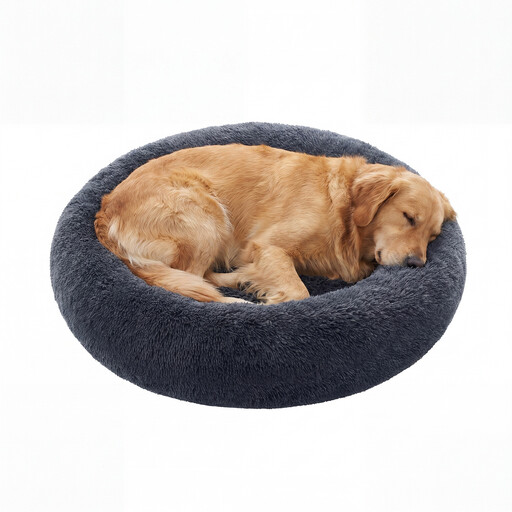
Why It Stands Out: With its dimensions of 140 x 140 cm, this square donut bed offers an exceptionally large sleeping area. The high, supportive edges create a nest-like environment that promotes a sense of security.
Advantages:
Who It's For: Ideal for very large dogs, multi-pet households, or dogs that love to spread out while still appreciating the security of an enclosed space.
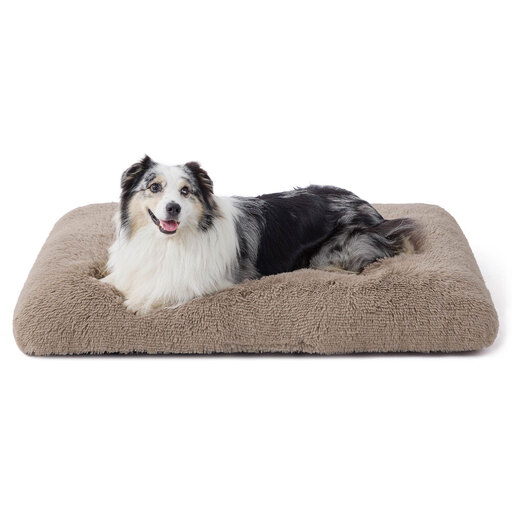
Why It Stands Out: A classic, flat dog mattress featuring an exceptionally soft Sherpa fleece surface and a practical non-slip base. The product is certified according to Oeko-Tex Standard 100.
Advantages:
Who It's For: Dogs of all sizes that prefer a simple, soft sleeping surface without edges. A practical solution for dog owners looking for a flexible and easy-to-clean bed.
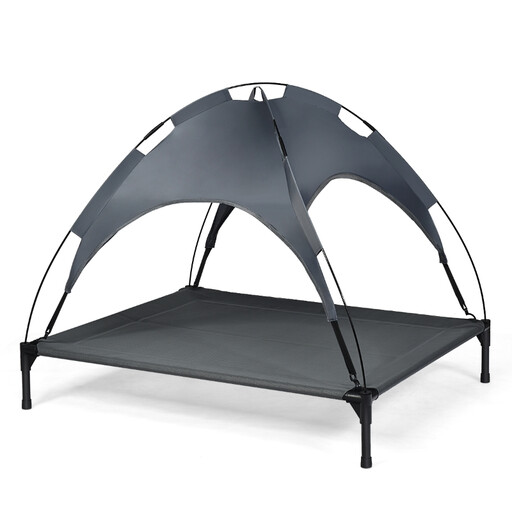
Why It Stands Out: This outdoor dog bed combines an elevated sleeping surface with a removable sun canopy. Its design is tailored for outdoor use.
Advantages:
Who It's For: Dog owners who want to create a comfortable and protected resting spot for their dog in the garden, on the balcony, or while camping.
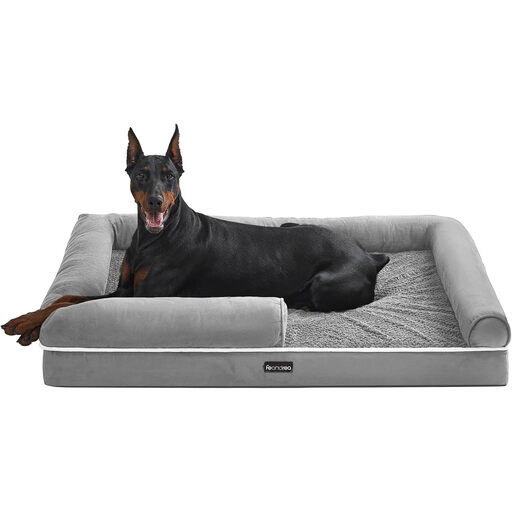
Why It Stands Out: A dog sofa with orthopaedic properties. The supportive foam filling is designed to relieve pressure on joints and muscles, while the raised edges serve as a headrest.
Advantages:
Who It's For: Especially suitable for senior dogs, dogs with joint conditions, or large breeds that need extra joint support. Also great for dogs that love to rest their head in an elevated position.
If you're looking for an alternative to classic beds, such as a stylish dog sofa that blends seamlessly into your living room, you'll find more options in our broader collection.
? Explore our collection of dog armchairs here.
For good hygiene, it is recommended to wash the dog bed's cover every one to two weeks. The entire bed or its filling should undergo a more thorough cleaning every few months, depending on the level of soiling and the manufacturer's instructions. For dogs with allergies or skin problems, more frequent cleaning may be beneficial.
A good orthopaedic dog bed is distinguished by its filling material. Instead of soft, yielding fibres, it uses a supportive core, often made of memory foam (visco-elastic foam) or high-density cold foam. This material conforms to the dog's body shape, distributes weight evenly, and thus relieves pressure points on joints like the hips and shoulders. When you press into it, the material should slowly return to its original shape.
Measure your dog in a stretched-out position from the tip of its nose to the base of its tail. Add about 15 to 30 centimetres to this measurement for both length and width. This ensures your dog has enough space to stretch out comfortably, change positions, and fully relax without hanging over the edge.