
Lieferung heute & morgen

Qualitätsgarantie

Willkommens-Angebote freischalten: KOSTENLOSE Lieferung | Bis zu 80 % RABATT | Kostenlose 30-Tage-JoyPlus-Testphase
App herunterladen
A suitable dog bed is more than just a place to lie down; it's a sanctuary that offers your dog security and comfort. However, with the vast array of models, materials, and features on the market, the selection process can quickly become overwhelming. This guide is designed to provide you with objective criteria to help you make an informed decision that meets your dog's needs.
To make the right choice, a few fundamental aspects should be considered. The following points will help you evaluate the features of different dog beds.
A crucial criterion is washability. Keeping a washable dog bed clean is essential for hygiene. Look for models with removable and machine-washable covers. The materials of the cover and filling determine the bed's comfort and durability. Soft plush is ideal for dogs who love to snuggle, while durable mesh fabric is advantageous for an outdoor dog bed. There are also differences in the filling: standard polyester fibres offer good cushioning, while memory foam in an orthopaedic dog bed provides pressure relief and conforms to the body.
Your dog's sleeping position provides clues about the ideal shape for their bed. Dogs that like to curl up often prefer a round dog bed or a donut dog bed, as the raised edge provides a sense of security. If your dog prefers to stretch out, a rectangular dog sofa or a flat dog mat is a more suitable choice. Measure your dog from the tip of their nose to the base of their tail while they are stretched out, and add 15–25 cm to determine the minimum size for the bed. This is especially important when choosing a bed for large dogs.
Older dogs, pets with joint conditions, or large, heavy breeds have special needs. An orthopaedic dog bed with a viscoelastic foam filling can relieve pressure on the joints and enhance sleep comfort. For outdoor use, whether in the garden or while camping, an elevated dog bed is a practical solution. It protects the dog from cold ground, dampness, and dirt, and provides cooling on warm days through air circulation beneath the sleeping surface.
Based on the criteria mentioned, we have compiled a selection of dog beds with different specialities.

Why it stands out: This model combines the features of a sofa with orthopaedic support. The egg crate foam filling adapts to the dog's body and reliably returns to its original shape. The three-sided raised bolster provides a headrest and a sense of security.
Pros:
Who it's for: This dog sofa is an excellent choice for owners of large dogs (up to 45 kilograms), senior pets, or dogs with joint issues who need a stable and comfortable sleeping surface.
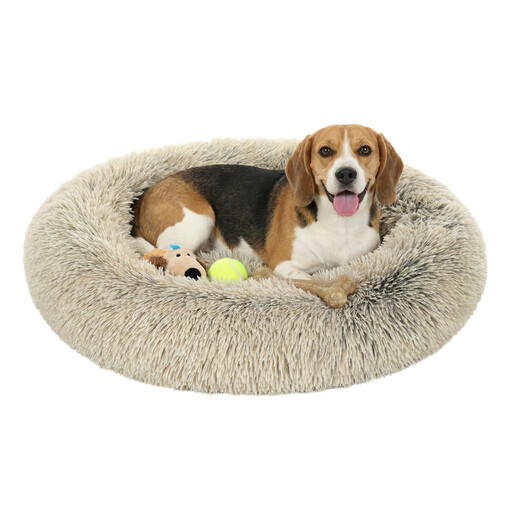
Why it stands out: This bed's design is engineered for maximum cuddling comfort. The long-pile, soft plush and the round shape with a raised rim create a nest-like environment that invites snuggling.
Pros:
Who it's for: This donut dog bed is ideal for small to medium-sized dogs that love to curl up while sleeping and appreciate the security of an enclosed space.
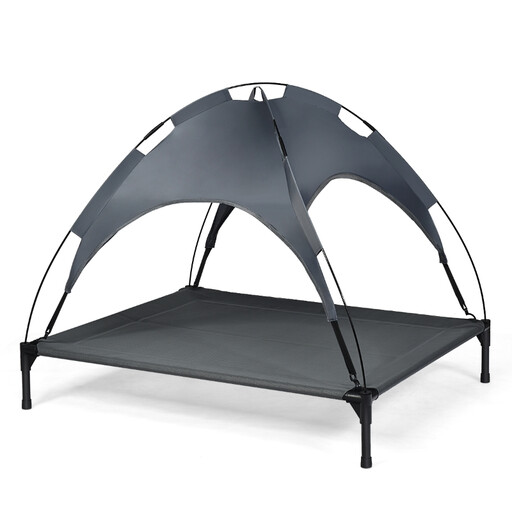
Why it stands out: This product is a multifunctional solution for the outdoors. It functions as an elevated dog bed and, with its removable canopy, offers protection from direct sunlight and light rain.
Pros:
Who it's for: This outdoor dog bed is the right choice for active dog owners who want to provide their pet with a comfortable and protected resting place, even when outdoors.
If you haven't found the perfect model for your dog among these recommendations, there are many other variations to explore. From extra-durable materials to special designs for the car boot – the selection is vast.
If you are looking for a particularly durable and stable alternative, you can find more models designed for heavy use in our Heavy-Duty Dog Bed category.
For good hygiene, it is recommended to wash the dog bed cover every one to two weeks. The entire bed or the filling should undergo a thorough cleaning every few months, depending on the level of dirt and the manufacturer's instructions. For dogs with allergies or skin problems, more frequent cleaning may be beneficial.
An orthopaedic dog bed uses pressure-relieving materials, usually memory foam (viscoelastic foam). This material reacts to body heat and weight, conforming exactly to the dog's contours and then returning to its original shape. This provides optimal support for the spine and joints, which is particularly beneficial for older dogs, large breeds, or pets with orthopaedic conditions.
Measure your dog while they are in their preferred sleeping position. For dogs that stretch out, measure from the tip of their nose to the base of their tail. For dogs that curl up, measure the diameter. Add about 15 to 25 cm to the measurement to ensure the dog has enough space to move and change positions comfortably.