
Lieferung heute & morgen

Qualitätsgarantie

Willkommens-Angebote freischalten: KOSTENLOSE Lieferung | Bis zu 80 % RABATT | Kostenlose 30-Tage-JoyPlus-Testphase
App herunterladen
A good dog bed is more than just a soft place to lie down. It's a private retreat that significantly contributes to the health and well-being of your four-legged family member. The market offers an overwhelming selection, but many products hide their weaknesses behind appealing pictures and marketing promises. Before you make a decision, you should be aware of the most common pitfalls that often lead to a bad purchase.
As your Joybuy Product Recommendation Officer, I'm here to help you navigate these hurdles. We'll focus on the facts so you can make an informed choice.
The 3 Most Common Mistakes When Buying a Dog Bed:
To avoid making the wrong choice, you should focus on three objective features. These determine durability, comfort, and hygiene.
The material inside the bed is crucial for its supportive function.
A hygienic sleeping spot is essential for your pet's health.
The right size and shape are crucial for the bed's acceptance.
Here are some recommendations tailored to the different requirements of pets and their owners.
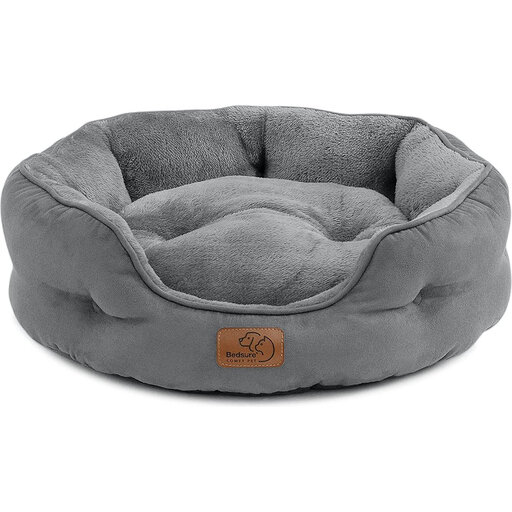
Why it's a great fit: This compact bed is designed for small dogs or cats. The reversible cushion offers a soft side and a smoother side for different seasons. It's a practical and hassle-free solution for everyday use.
According to the manufacturer, the entire bed is machine-washable, which bypasses the "washable" trap. The non-slip base ensures stability on smooth floors.
Reversible cushion for year-round use; Compact size; Non-slip bottom.
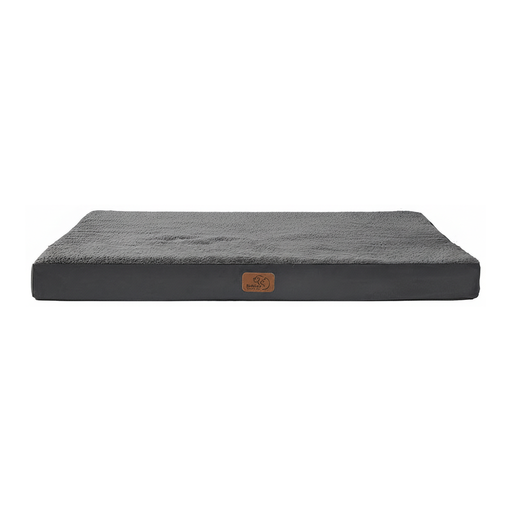
Why it's a great fit: This bed was developed for large or older dogs that need better joint support. The generous sleeping surface allows the dog to stretch out completely.
The egg-crate foam provides a stable, shape-retaining surface and prevents rapid sagging. The cover is removable via a zip and washable, ensuring hygiene.
Joint-friendly egg-crate foam; Removable and washable cover; Non-slip base.
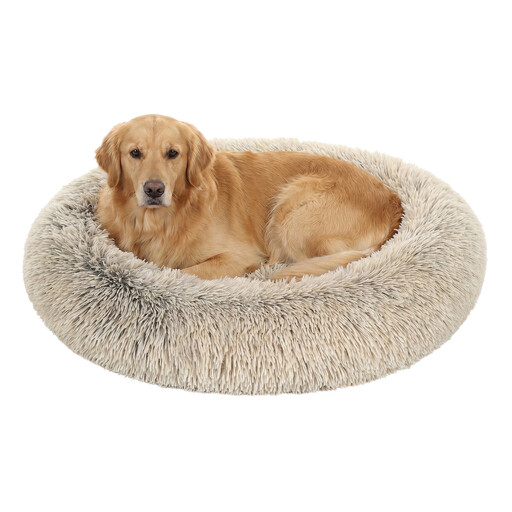
Why it's a great fit: The donut design with a high rim appeals to dogs who love to snuggle and seek a sense of security. The long-pile plush is especially soft and cosy.
The centre cushion is removable via a zip on the bottom and can be washed separately. This solves the typical hygiene problem of one-piece plush beds.
High rim for security; Removable and washable centre cushion; Non-slip base.
We have compiled a complete, up-to-date list of products that fully meet these strict selection criteria and UK/EU safety regulations.
1. How often should you wash a dog bed? The cleaning frequency depends on usage, the dog's coat type, and any household allergies. As a general guideline, it is recommended to wash the cover every 1–2 weeks. The entire bed or the inner cushion should undergo a thorough cleaning every 1–2 months, depending on how dirty it is.
2. What size dog bed does my dog need? Measure your dog while it is in its favourite sleeping position—either stretched out or curled up. Measure from its nose to the base of its tail and add 15 to 25 centimetres. This ensures your dog has enough space to move and change positions comfortably.
3. What is the difference between a normal and an orthopaedic dog bed? A normal dog bed is usually filled with soft fibres like PP cotton, which primarily provide cosiness. An orthopaedic dog bed uses firmer, more supportive materials like egg-crate foam or memory foam. These materials distribute body weight more evenly, relieve pressure on the joints and spine, and are therefore particularly suitable for older dogs, large breeds, or animals with joint problems.