
Lieferung heute & morgen

Qualitätsgarantie

Willkommens-Angebote freischalten: KOSTENLOSE Lieferung | Bis zu 80 % RABATT | Kostenlose 30-Tage-JoyPlus-Testphase
App herunterladen
The variety of dog bones is immense, and as a dog owner, you want only the best for your four-legged friend. However, the market is flooded with products whose marketing promises often conceal more than they reveal. Choosing the wrong chew treat isn't just a waste of money—in the worst-case scenario, it can also harm your dog's health.
This guide will help you understand the crucial criteria and avoid common pitfalls when buying dog bones. This way, you can make an informed decision tailored to your dog's actual needs.
Before we dive into the selection criteria, it's important to know the most common mistakes. Many dog owners unknowingly fall into these traps.
To make a well-founded decision, you should check three key aspects. These will help you objectively assess the quality and suitability of a dog bone.
The ingredients list is your most important guide. Look for a clear and understandable declaration.
The physical properties of the bone must be right for your dog.
Consider what the dog treat bone is primarily for.
Here are some product recommendations tailored to different profiles of dogs and their owners.
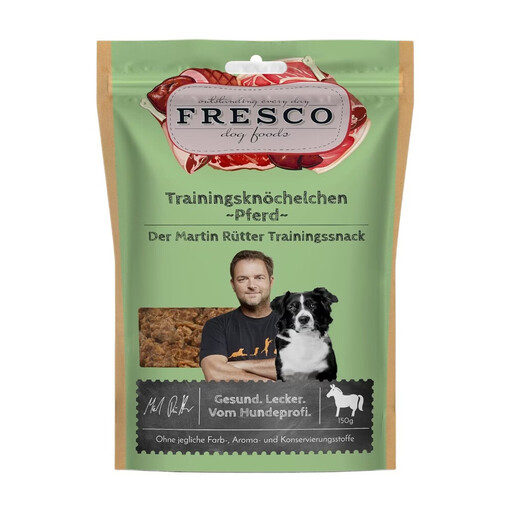
Why This Fits Their Persona: Ideal for dog owners looking for a high-quality, hypoallergenic snack for training. The small shape is perfect for a quick reward without overfeeding the dog.
This product avoids the trap of hidden ingredients. It is a grain-free dog bone with horse as the single protein source (mono-protein), which minimises the risk of allergies. The ingredients list is short and transparent.
High meat content of 92% horse meat. Specially designed as a hypoallergenic dog snack for sensitive dogs.
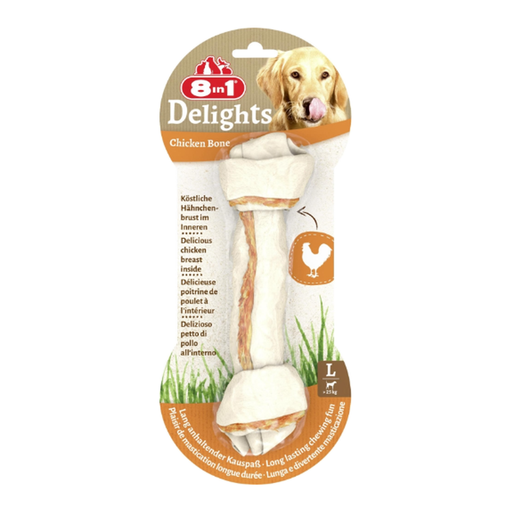
Why This Fits Their Persona: Designed for owners of dogs over 25 kg who are looking for a robust and long-lasting activity that also supports dental health.
This bone addresses the problem of incorrect size and hardness. It is explicitly declared as a dog bone for large dogs. The combination of rawhide and chicken breast ensures long-lasting chewing fun without being excessively hard.
High protein content (88%) and low fat content (2.2%). The texture can support the mechanical reduction of tartar. Free from artificial additives.
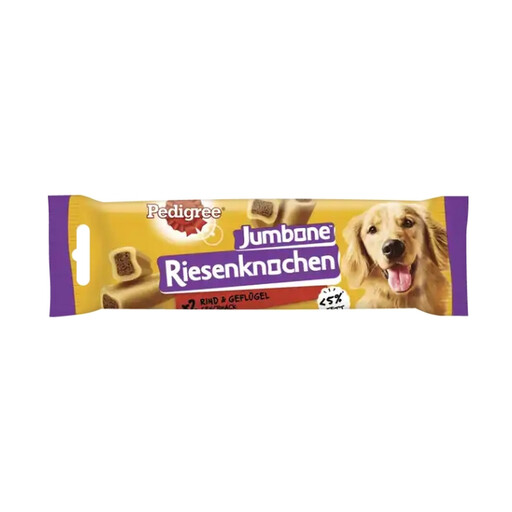
Why This Fits Their Persona: A great choice for owners of medium-sized dogs who want a well-known and accessible chew snack for occasional engagement. The combination of a hard shell and a soft core provides variety.
This product provides clear feeding recommendations by weight to prevent overfeeding. It is specifically designed for medium-sized dogs, thus avoiding the risk of an incorrect size.
Low in fat with less than 5% fat per 100g. According to the manufacturer, it contains Omega-3 fatty acids as well as vitamins and minerals to support overall fitness.
We have compiled a complete, up-to-date list of products that fully meet these strict selection criteria and German safety regulations.
1. How often can I give my dog a chew bone? The frequency depends on the type of bone and the size of your dog. Long-lasting chew bones should be a special activity and not given daily. Smaller training snacks can be fed more often, but in moderation. Always follow the manufacturer's feeding recommendations and reduce the main meal accordingly to prevent weight gain.
2. Are dog bones with grain always bad? Not necessarily. Many dogs tolerate grain well in moderation. However, it becomes problematic when grain is the main ingredient in a snack, serving as a cheap filler. For dogs with known allergies or sensitive digestion, grain-free dog bones are the safer choice.
3. From what age are dog bones suitable for puppies? Most manufacturers recommend chew bones only for puppies from a certain age, often from 4 to 9 months. This is because the teeth of very young puppies are not yet fully developed, and hard bones could damage them. Additionally, their digestive system is still sensitive. Always choose specially designated puppy snacks that are softer and more easily digestible.