
Lieferung heute & morgen

Qualitätsgarantie

Willkommens-Angebote freischalten: KOSTENLOSE Lieferung | Bis zu 80 % RABATT | Kostenlose 30-Tage-JoyPlus-Testphase
App herunterladen
As a Joybuy Product Recommendation Officer, I see countless well-intentioned pet products hit the market every day. But not all of them deliver on their promises. When it comes to car safety, in particular, it's crucial to look closely. A dog car seat should not only be comfortable but, above all, protective. However, many models have design flaws that only become apparent with use.
This guide will help you identify the crucial features and avoid common purchasing mistakes. We'll focus on the facts so you can make an informed decision for the safety of your small companion.
Before we dive into the essential features, let's highlight the typical weaknesses that often lead to frustration after the purchase:
To avoid these pitfalls, you should check three technical aspects before buying. These define the quality and safety of a dog car seat.
Your dog's safety depends on two factors: how the seat is fastened in the car and how the dog is secured in the seat.
The material determines durability and hygiene.
A car seat for small dogs must fit the animal's size. It should offer enough space to lie down but not be so large that the dog slides around during the drive. Measure your dog while lying down and compare the dimensions with the internal measurements of the seat.
For use as a dog car seat on the front seat, a critical safety rule must be followed: the passenger airbag must be deactivated. Also, check if the seat's straps are long enough for attachment to a front seat.
Based on the criteria above, we have identified several products suitable for different needs and use cases.
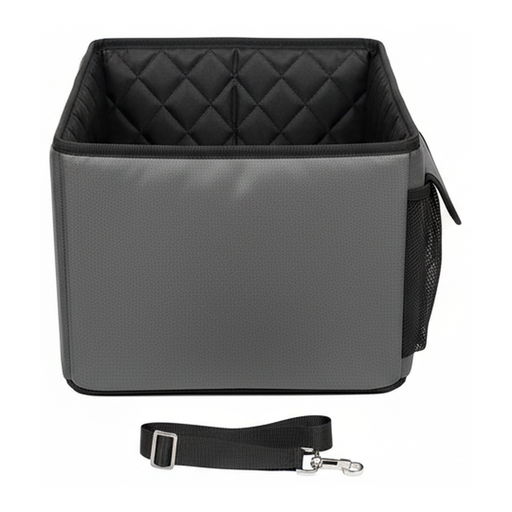
Why this model fits: Ideal for owners of small dogs (up to 12 kg) who are looking for a complete solution for the front or back seat and value a stable, secure environment.
According to the manufacturer, the design uses reinforced PVC side walls that maintain their shape. The integrated safety system attaches to the car's seat belt and has a clip for the dog's harness.
The three-layer material composition of 600D Oxford fabric and a waterproof layer effectively protects against dirt and moisture. The entire model is foldable and machine-washable.
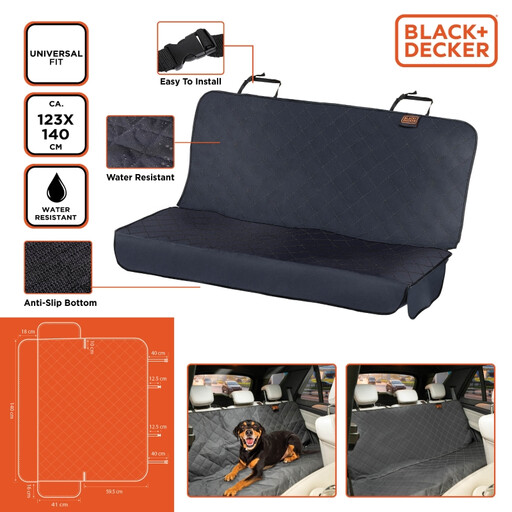
Why this model fits: For dog owners whose priority is protecting car seats from dirt, scratches, and hair. This cover is a universal solution for the back seat.
Instead of stabilising a basket, this cover protects the entire surface. The non-slip backing prevents the cover itself from shifting, giving the dog more stability than a loose blanket.
According to the manufacturer, the material is waterproof and reliably protects the upholstery. The universal fit with adjustable straps allows for easy and quick installation in most vehicles.
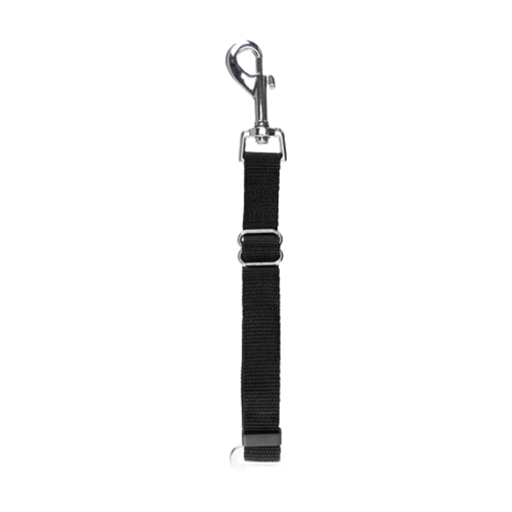
Why this model fits: For dog owners who already have a harness and are looking for a simple, compliant, and cost-effective solution to secure their dog in the car.
This product focuses on one essential task: the secure connection between the dog's harness and the car's seat belt buckle. It avoids the complexity of an entire seat.
The belt is continuously adjustable (30-45 cm) and features a robust metal slider. It is a straightforward and effective method to meet legal requirements for securing cargo.
We have compiled a complete, up-to-date list of products that fully meet these strict selection criteria and German safety regulations.
1. Is a dog car seat mandatory in Germany? In Germany, there is no explicit law requiring dogs to be buckled up. However, according to the Road Traffic Regulations (§ 22 StVO), animals are considered cargo. This cargo must be secured in such a way that it "cannot slip, fall over, or roll back and forth even during emergency braking or sudden evasive manoeuvres." A suitable dog car seat, transport crate, or special safety harness fulfils this requirement.
2. Can I use a dog car seat on the front seat? Yes, using a dog car seat in the passenger seat is generally permitted. However, it is mandatory to deactivate the passenger airbag. A deploying airbag can be fatal for a dog in a car seat. Please follow your vehicle manufacturer's instructions on this matter.
3. How do I get my dog used to the car seat? Start the acclimatisation process in a calm environment, not in the car itself. First, place the dog basket in your home and let your dog explore it at their own pace. Reward positive behaviour with treats. Once the dog accepts the seat, you can place it in the stationary car and start with short trips, gradually increasing their duration.