
Lieferung heute & morgen

Qualitätsgarantie

Willkommens-Angebote freischalten: KOSTENLOSE Lieferung | Bis zu 80 % RABATT | Kostenlose 30-Tage-JoyPlus-Testphase
App herunterladen
Choosing a dog carrier can quickly become overwhelming. Whether for your annual holiday, a routine vet visit, or the daily commute, your pet's safety and comfort are paramount. But the market is flooded with products whose marketing promises often fall short in practice. A flimsy bag that gives way after a few trips, or poor ventilation that needlessly stresses your pet, are common consequences of an uninformed purchase.
This guide will help you identify the typical pitfalls. We focus on the crucial features that define a functional and durable transport solution, so you can make an informed decision for you and your four-legged companion.
Many products look practical at first glance but reveal their weaknesses only with use. Pay close attention to these three points to avoid disappointment:
To find the right dog carrier, you should focus on objective criteria. These three parameters are crucial for safety, comfort, and functionality.
The construction is the most crucial element. A collapsible carrier is practical for storage, but it should have a sturdy metal frame for necessary stability. Models made purely of fabric without reinforcement are, at best, suitable as a temporary dog tote bag for very small and calm animals. For car transport, a dedicated car carrier for dogs made of hard plastic or metal offers the highest level of stability. Look for solid zips and durable fabric like Oxford polyester that can also withstand claws.
Your pet needs a sufficient supply of fresh air and must be able to see its surroundings to reduce stress. Ideal carriers feature large mesh windows on at least three sides. This ensures optimal air circulation and gives the animal a sense of security, as it can see you. A good travel carrier for dogs combines this ventilation with the option to cover some windows if needed, to prevent sensory overload.
Measure your pet before buying: its length from nose to the base of the tail, and its height from the floor to the top of its head while standing. The carrier should be sized so that your dog or cat can comfortably stand, turn around, and lie down. Also, consider the intended use:
Based on the criteria above, we have curated a selection of products for different user profiles.
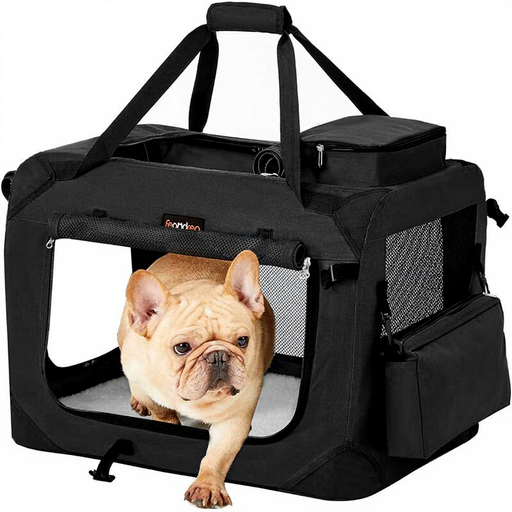
Why This Fits Their Persona: Ideal for dog and cat owners who need a sturdy yet space-saving solution for car trips, camping, or hotel stays. Perfect for pets like Miniature Poodles or Corgis.
It avoids the stability trap with an integrated metal frame that keeps the carrier rigid. Large mesh windows on multiple sides prevent heat build-up.
Folds down to a height of 8 cm, making it easy to store. The included fleece mat is easy to clean.
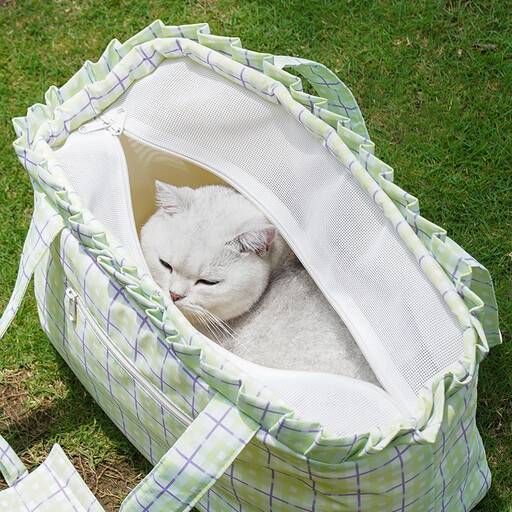
Why This Fits Their Persona: For owners of small dogs or cats who need a lightweight and fashionable carrier for short trips, like visits to the vet, a café, or a friend's house.
This bag is intentionally designed for light transport, avoiding the false pretence of being a high-stability car crate. The soft fabric is gentle on the pet's skin.
Very lightweight and practical for frequent use. The plaid design is a stylish accessory that complements various outfits.
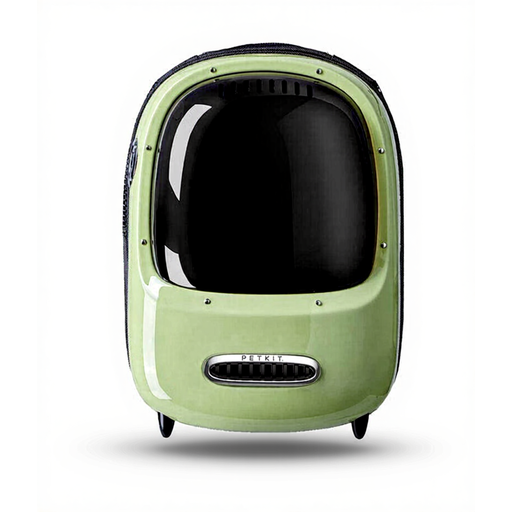
Why This Fits Their Persona: For owners of small dogs or cats (up to 8 kg) who enjoy hiking or travelling and value technological features for maximum comfort.
Proactively addresses the problem of poor ventilation with a built-in miniature fan that actively promotes air circulation, ensuring a cool environment.
Integrated ventilation and lighting system (requires an external power source). The ergonomic design reduces strain on the wearer's back.
We have compiled a complete, up-to-date list of products that fully meet these strict selection criteria and rigorous safety standards.
The rule of thumb is: your dog should be able to comfortably stand, turn around, and lie down in a natural position inside the carrier. Measure your dog's length from its nose to the base of its tail and its height while standing from the floor to the top of its head. Add about 10-15 cm (4-6 inches) to both measurements to determine the minimum internal dimensions of the carrier. Never rely solely on the manufacturer's weight guidelines.
Start the acclimatisation process in a calm environment at home. Place the open carrier in the living room and put treats or their favourite toy inside. Praise your dog when it explores the carrier on its own. Begin closing the door for brief moments, gradually extending the time. Associate the carrier with positive experiences before you embark on your first journey.
Collapsible carriers with a sturdy metal frame offer good baseline stability for car transport and are significantly safer than fabric-only bags. They should always be properly secured in the vehicle, for example, with the seatbelt. However, for maximum protection in an accident, specially designed car carriers made of hard plastic or aluminium are the more robust choice, as they can better withstand impact forces.