
Lieferung heute & morgen

Qualitätsgarantie

Willkommens-Angebote freischalten: KOSTENLOSE Lieferung | Bis zu 80 % RABATT | Kostenlose 30-Tage-JoyPlus-Testphase
App herunterladen
A dog's natural urge to chew is a fundamental part of their behaviour. It not only serves as a form of stress relief and enrichment for dogs but also contributes to their dental hygiene. Many dog owners are therefore looking for a species-appropriate and healthy way to satisfy this instinct. Dried ears for dogs are a popular option, as these natural chews provide a simple and often easily digestible reward.
This article serves as a guide. It introduces different types of chew ears and explains the key features to consider when making your selection, helping you find the perfect option for your dog.
The decision for the right chew ear depends on several factors that should be tailored to your dog's individual needs.
The source of the ear largely determines its characteristics, such as size, hardness, and fat content.
A look at the ingredients list is crucial. Ideally, the snack should consist of just one ingredient: the dried ear itself. Look for products without artificial preservatives, colourings, or flavour enhancers. Air-dried products are often a good choice, as this gentle process helps to preserve most of the nutrients.
The size of the chew should match your dog's size and chewing strength. An ear that is too small can pose a choking hazard for a large dog, while an ear that is too large and hard can overwhelm a small dog. For dogs prone to weight gain, low-fat dog snacks like beef or rabbit ears are a sensible alternative.
Based on the criteria mentioned, we have compiled a selection of products that cater to different needs.
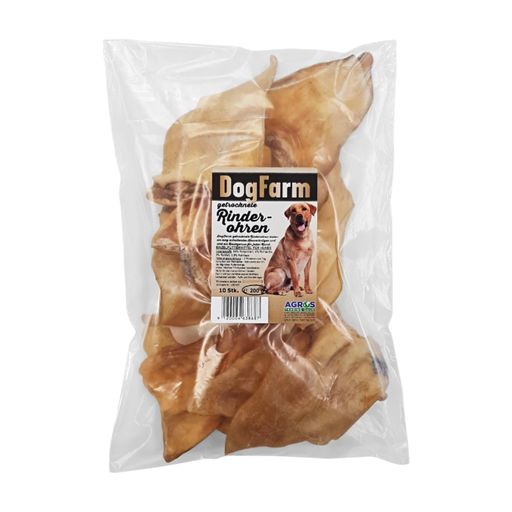
Why it stands out: This product is made of 100% dried beef ears and is completely free of artificial additives. With a crude fat content of just 3.0%, it is an exceptionally low-fat chew that is well-suited as a daily reward.
Benefits:
Who it's for: Ideal for dogs of all breeds and ages, especially those requiring a low-fat diet or who are persistent chewers.
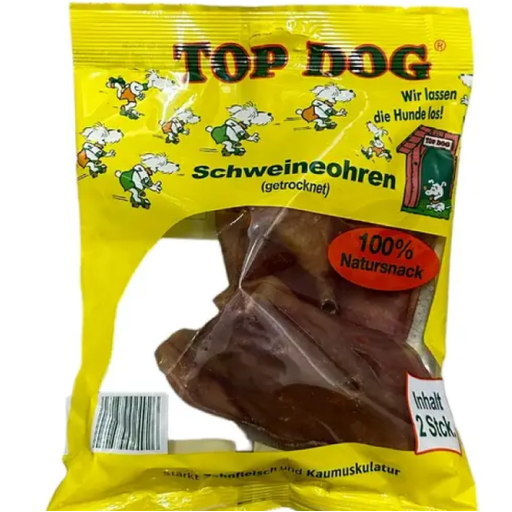
Why it stands out: The dried pig ears from TOP DOG are a classic and widely popular snack. They are made without artificial additives, colourings, or preservatives and are highly palatable to many dogs due to their rich flavour.
Benefits:
Who it's for: Suitable for dogs of all breeds and sizes that prefer an especially tasty chew. Due to the higher fat content, they should be fed in moderation.
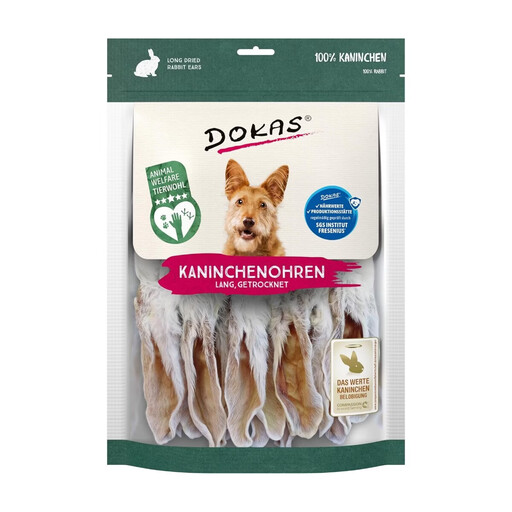
Why it stands out: The rabbit ears with fur from Dokas offer a natural chewing experience that aligns with a dog's prey model. They are grain-free, made from 100% rabbit, and are also suitable as a supplement to a BARF diet.
Benefits:
Who it's for: Especially suitable for dogs with dietary sensitivities, BARF diet followers, and owners who want to offer their dog a primal chewing experience. The long shape is also suitable for larger dogs.
Didn't find the right chew ear for your dog, or would you like to compare more options? In our dog chews category, you'll find a wider selection of natural chew products tailored to different needs and preferences.
Discover our full range of dog chews
Dried ears should be considered a treat, not a main food source. A common recommendation is that snacks should not make up more than 10% of a dog's daily food ration. Depending on the dog's size and the ear's fat content, this could mean feeding one or two ears per week, or even less frequently. Always supervise your dog when they have a chew and ensure plenty of fresh water is available.
Yes, chew ears can contribute as a dental care dog snack. The mechanical friction from chewing helps scrape away dental plaque, which can prevent the formation of tartar. However, this effect does not replace regular tooth brushing or veterinary check-ups.
Rabbit ears with fur are a very natural snack. The fur provides indigestible fibres that act as a sort of "brush" for the intestines, which can support digestion. Since rabbit is a less common protein source, they are often well-suited for dogs with food intolerances.