
Lieferung heute & morgen

Qualitätsgarantie

Willkommens-Angebote freischalten: KOSTENLOSE Lieferung | Bis zu 80 % RABATT | Kostenlose 30-Tage-JoyPlus-Testphase
App herunterladen
As a Joybuy Product Recommendation Officer, I analyse product information daily to provide you with clear, factual guidance in the jungle of options. The selection of dog chews is vast, but not every product lives up to its packaging. Many dog owners invest in snacks that are either devoured in seconds, contain unsuitable ingredients, or even endanger dental health. This guide will show you what to look for to make an informed decision.
Before we delve into the selection criteria, it's important to know the most common marketing traps that often lead to unsuitable purchases.
To avoid these pitfalls, you should check three key parameters. These will give you an objective basis for your purchasing decision.
A transparent and clear ingredient list is the most important hallmark of quality. Pay attention to the following points:
The nutritional analysis provides insight into the snack's composition.
The structure of the snack determines the duration of the chew and its benefit for canine dental care.
Based on these objective criteria, we have identified some products that are well-suited for the specific needs of dogs.
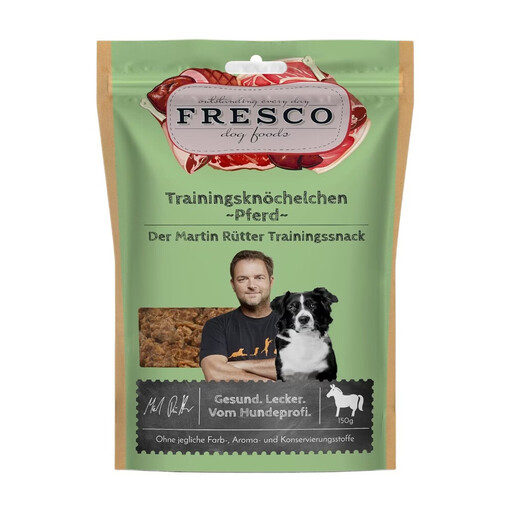
Why This Fits Their Persona: Ideal for dogs with food intolerances or on an elimination diet. Using horse as the sole animal protein source minimises the risk of allergic reactions.
This product bypasses the trap of vague ingredient lists. It's a single-protein, grain-free snack, which rules out hidden allergens.
High Meat Content: Consists of 92% horse meat, according to the manufacturer. Hypoallergenic and grain-free.
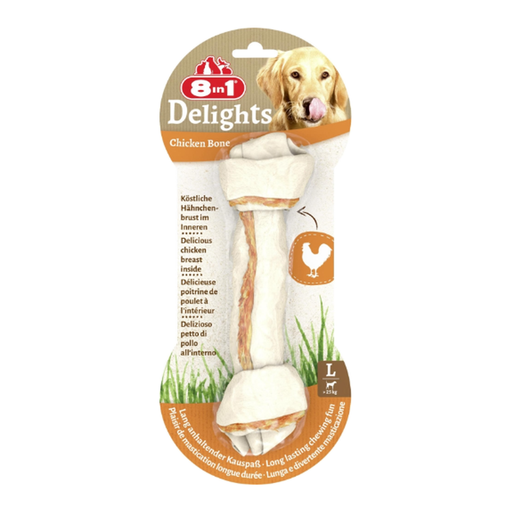
Why This Fits Their Persona: Designed for dogs over 25 kg who need a robust and long-lasting chewing challenge. The combination of tough rawhide and chicken inside ensures sustained motivation.
This beef chew bone offers genuine long-lasting chewing fun without being excessively hard. Its structure promotes mechanical abrasion, thus preventing the risk of tooth fractures.
Very High Protein Content: 88% protein, according to the manufacturer. Low-fat with only 2.2% fat. No added sugar, artificial flavours, or GMOs.
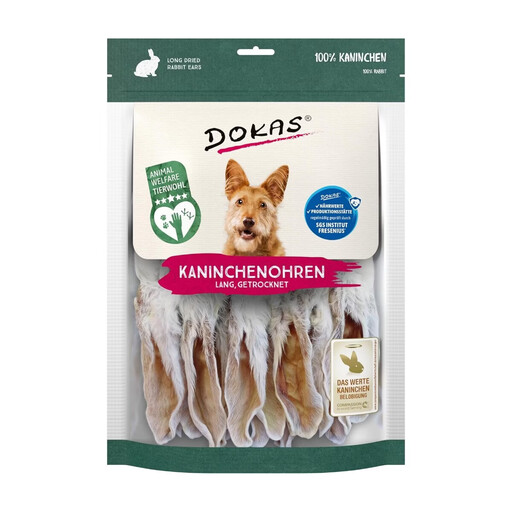
Why This Fits Their Persona: For owners seeking the most primitive and unprocessed reward possible. Rabbit ears with fur closely mimic a dog's natural prey and are an excellent supplement to a raw-fed (BARF) diet.
This product escapes the "natural" trap through absolute transparency. The only ingredient is "100% rabbit ears." There are no hidden additives or fillers.
100% Natural Ingredient: Free from any additives. High protein content (70.2%) and the fur can support natural intestinal cleansing.
We've compiled a complete, up-to-date list of products that fully meet these strict selection criteria.
1. How often can I give my dog a chew? Chews are a complementary feed and should only be given in moderation. The exact amount depends on your dog's size, weight, and activity level, as well as the calorie content of the snack. A common guideline is that treats should not make up more than 10% of the daily caloric intake. Always follow the manufacturer's feeding recommendations and reduce the main meal accordingly.
2. Are chews with grain inherently bad? Not necessarily. For most healthy dogs, grain in moderation is not a problem. However, grain-free dog snacks are preferable as they often have a higher nutrient density and are the safer choice for dogs with allergies, intolerances, or sensitive digestion. In many snacks, grain serves primarily as a cheap filler and offers little nutritional value.
3. How can I tell if a chew is too hard for my dog's teeth? Observe your dog while it's chewing. If it seems frustrated, keeps dropping and picking up the snack, or if you notice excessive splintering, the chew might be too hard. Another warning sign is if your dog shows bleeding gums or pain when eating after chewing. When in doubt, choose a slightly softer snack or consult your veterinarian for advice.