
Lieferung heute & morgen

Qualitätsgarantie

Willkommens-Angebote freischalten: KOSTENLOSE Lieferung | Bis zu 80 % RABATT | Kostenlose 30-Tage-JoyPlus-Testphase
App herunterladen
Regular grooming is an essential part of dog care. It not only keeps their coat clean and free of mats but also contributes to the animal's overall well-being. While a trip to the professional groomer is one option, many owners are looking for a more practical and cost-effective solution for home use. Your own dog clippers offer the flexibility to tailor grooming sessions to your pet's rhythm and needs, especially for anxious or noise-sensitive dogs.
This guide is designed to help you understand how dog clippers work and make an informed decision. We will introduce various models and explain which features are important for different coat types and requirements.
Choosing the right device depends on several factors. To find the perfect model for your dog, you should consider the following criteria.
The motor's power is the deciding factor in how effortlessly the clippers glide through the coat. For dogs with thick, dense, or mat-prone fur, clippers designed for thick coats with a powerful motor are essential. Weaker motors can snag on challenging coats, which is uncomfortable for the animal and can lead to injury. Look for models with robust motors that maintain a consistent speed even under load. The blade, usually made of stainless steel or ceramic, should be sharp and durable to ensure a clean cut.
Many dogs react anxiously to loud noises and strong vibrations. Quiet dog clippers can significantly reduce stress during grooming. Manufacturers often provide information on noise levels. Models with low-vibration motors are an excellent choice for nervous pets. Nevertheless, it is recommended to gradually acclimate your dog to the sound and vibration of the clippers before the first grooming session.
The choice between cordless pet clippers and a corded model is a matter of personal preference and intended use.
Based on the criteria mentioned, we have compiled a selection of devices that cover a range of different needs.
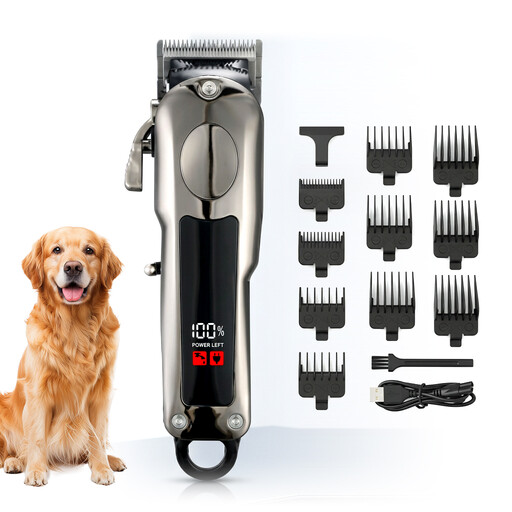
Why it stands out: This model was specifically designed to meet the demands of thick and heavy coats. Its powerful motor ensures a smooth cut without any snagging.
Pros:
Who it's for: This device is a great choice for owners of dogs with challenging coats who are looking for a powerful and flexible cordless dog trimmer.
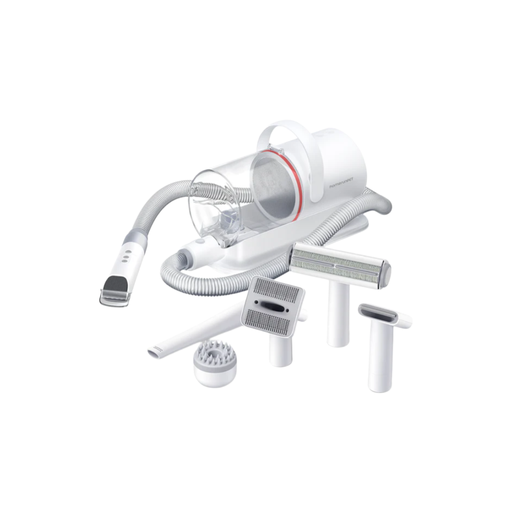
Why it stands out: This dog grooming kit combines clippers with a vacuum function. Loose hair is suctioned directly into a container during grooming, which minimises cleanup afterwards.
Pros:
Who it's for: Ideal for dog owners who value a clean workspace and are looking for an all-in-one solution for complete at-home grooming.

Why it stands out: This corded model from WAHL is known for its exceptionally quiet and low-vibration operation, making it a great option for anxious dogs and cats.
Pros:
Who it's for: An excellent choice for owners of nervous or skittish pets who prefer a reliable, corded, and exceptionally quiet set of dog clippers.
The models featured here already cover a wide range of needs. However, if you haven't found the perfect device for you and your four-legged friend, there are many other alternatives to discover. Every pet and owner has unique grooming requirements.
Explore our full range of Dog Grooming Tools & Supplies and find the right tool for your pet's needs.
The frequency of clipping depends heavily on the breed, coat type, and season. Breeds with continuously growing hair often need a trim every 6 to 8 weeks. For dogs with an undercoat, clipping should only be done after careful consideration, as it can interfere with the coat's natural thermal regulation. When in doubt, consulting a veterinarian or a professional groomer is advisable.
Introduce your dog to the clippers slowly. Start by just turning them on without touching your dog, and reward calm behaviour. Then, run the clippers over their coat while they are turned off. Begin the first clipping session with short, simple areas. Ensure the coat is clean, dry, and well-brushed to prevent snagging. Always use a guide comb to avoid cutting the hair too short and to protect the skin.
This is strongly discouraged. Dog clippers are specifically designed for the structure of animal fur. The motors are more powerful to handle dense coats, and the blades are shaped to avoid injuring a dog's sensitive skin. Human hair clippers can overheat quickly, pull on the fur, and cause your pet pain or injury.