
Lieferung heute & morgen

Qualitätsgarantie

Willkommens-Angebote freischalten: KOSTENLOSE Lieferung | Bis zu 80 % RABATT | Kostenlose 30-Tage-JoyPlus-Testphase
App herunterladen
As a dog owner, few things are more stressful than recurring accidents in the home. Whether due to age-related incontinence, heat cycles, post-surgery recovery, or puppy training, a reliable hygiene solution is essential. However, the market for dog diapers and training pads is confusing and filled with products that over-promise and under-deliver. Making the wrong choice leads not only to frustration but also to unnecessary expenses.
This guide will help you avoid the most common purchasing pitfalls and understand the criteria that truly matter for a functional and comfortable solution.
Many products fail in practice due to fundamental flaws that aren't obvious at first glance. Watch out for these typical weaknesses to avoid a bad investment.
To make the right choice, you should focus on objective and verifiable product features. The following three parameters are crucial for functionality and comfort.
The heart of any leak-proof dog diaper is its absorbent core. Simple pulp fillers are often not enough. Look for products with a multi-layer structure that includes a Super Absorbent Polymer (SAP) layer. This material quickly converts liquid into a gel and locks it in securely. This keeps the surface in contact with the dog's skin noticeably drier, which is critical for longer wear times, such as with canine incontinence. A good diaper immediately wicks moisture to the core and prevents rewetting.
The anatomy of male and female dogs requires different designs.
Regardless of the type, wide, re-fastenable hook-and-loop tabs and elastic gathers at the legs and waist are essential. Carefully measure your dog's waist circumference before purchasing and compare it to the manufacturer's size chart to ensure a secure and comfortable fit.
Not every hygiene problem requires a diaper. For house-training, puppy pads or dog training pads are often the better choice. A pee pad for your dog defines a designated spot where the puppy is allowed to relieve itself, thus actively supporting the training process. Diapers, on the other hand, are intended for mobile dogs that cannot control their elimination, whether during travel, due to old age, or because of illness. Choosing the right product for the specific purpose not only saves money but also promotes the desired learning effect or provides targeted support.
Here are some product recommendations tailored to specific use cases and the needs of dog owners.
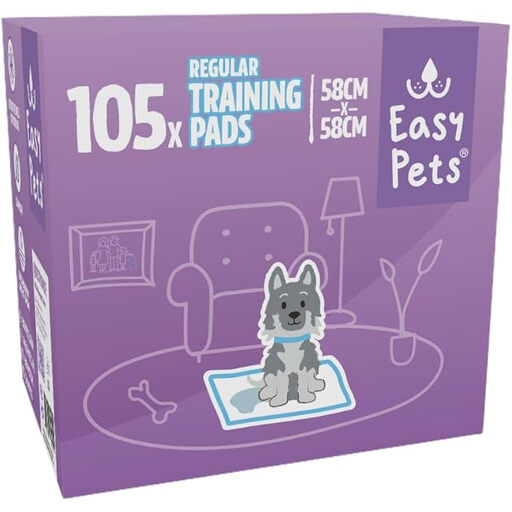
Why it's a match: Ideal for puppy owners who need a reliable, large area for toilet training. The pads define a clear spot for elimination while protecting your floors.
This product is a training pad, not a diaper. It bypasses the poor-fit problem because it lies on the floor instead of being attached to the animal. A special attractant actively supports the training process.
The four-layer structure ensures high absorbency and locks in moisture. The large 58 x 58 cm surface area provides ample space, even for growing puppies.
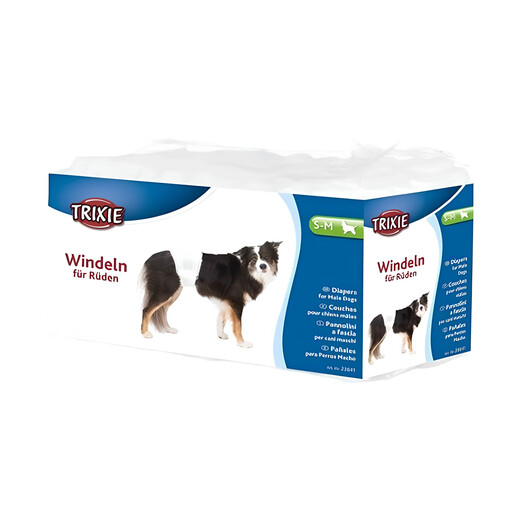
Why it's a match: Specifically designed as a belly band for male dogs. Ideal for marking behaviour, light incontinence, or during travel, as it's less restrictive than a full diaper.
The belly band design is tailored to the male dog's anatomy, bypassing the fit issues of a full diaper. An elastic band and hook-and-loop fasteners ensure a secure fit around the abdomen.
Provides targeted protection without restricting the movement of the hindquarters. The highly absorbent non-woven fabric (polyester) ensures reliable hygiene.
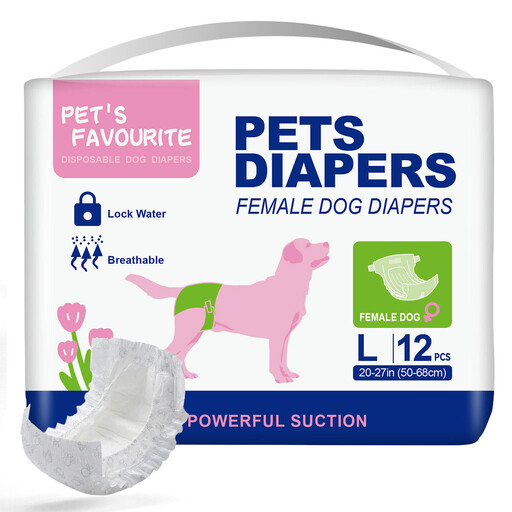
Why it's a match: Designed for situations requiring maximum security, such as heat cycles or caring for dogs with heavy incontinence. The focus is on leak protection and high absorption capacity.
This product tackles the problem of insufficient absorbency with a six-layer core structure that includes a Super Absorbent Polymer (SAP) layer. Liquid is quickly locked away, keeping the surface dry.
The 360° leak-proof structure, combined with three-dimensional side guards, conforms to the body's contours and reduces the risk of side leakage during movement.
We have compiled a complete, up-to-date list of products that fully meet these strict selection criteria and safety standards.
1. How often should you change a dog diaper? The frequency of changes depends on the individual situation, the diaper's absorbency, and the amount of fluid. As a general rule, check the diaper every 3 to 4 hours and change it immediately if it's soiled. This is crucial to prevent skin irritation, rashes, and infections, and to maintain hygiene.
2. My dog tries to take the diaper off. What can I do? First, check the fit. A diaper that is too tight or too loose is uncomfortable. It should be snug without digging in. Distract your dog with a toy or a treat immediately after putting it on to create a positive association. With consistent use, most dogs get used to wearing a diaper over time.
3. Are dog diapers different for male and female dogs? Yes, there are significant differences. Diapers for male dogs are often designed as belly bands that only wrap around the abdomen and genitals. They are intended for managing marking behaviour or urinary incontinence. Diapers for female dogs have a more comprehensive design that covers the entire rear area and includes an opening for the tail. This design is necessary to manage bleeding during heat cycles or more severe incontinence (urine and faeces).