
Lieferung heute & morgen

Qualitätsgarantie

Willkommens-Angebote freischalten: KOSTENLOSE Lieferung | Bis zu 80 % RABATT | Kostenlose 30-Tage-JoyPlus-Testphase
App herunterladen
By Joybuy Product Recommendation Officer, July 28, 2026
Regular grooming is essential for the well-being of dogs and cats. It not only keeps their coat clean and shiny but also strengthens the bond between you and your pet. However, the market for grooming products is crowded and full of promises. Many pet owners invest in tools that are either unsuitable or quickly lose their effectiveness. This guide will help you avoid common purchasing pitfalls and select products tailored to your pet's specific needs.
Before investing in a new dog grooming kit or a single brush, it's helpful to understand the typical problems that can arise with low-quality products.
To make an informed decision, you should focus on objective features that directly impact the product's functionality and safety.
Choosing the right dog brush or cat brush depends entirely on your pet's coat.
Safety comes first. For dog nail clippers, features like a safety guard to prevent cutting the nail too short or an integrated LED light for better visibility of the blood vessel (the quick) are important aids.
When it comes to dog shampoo, the pH level is crucial. It should be balanced for a dog's skin (typically in the 6.5 to 7.5 range). Look for formulas without harsh sulfates, parabens, and artificial fragrances, especially for pets with sensitive skin.
Instead of making a single general recommendation, we've curated products for specific pet owner profiles.
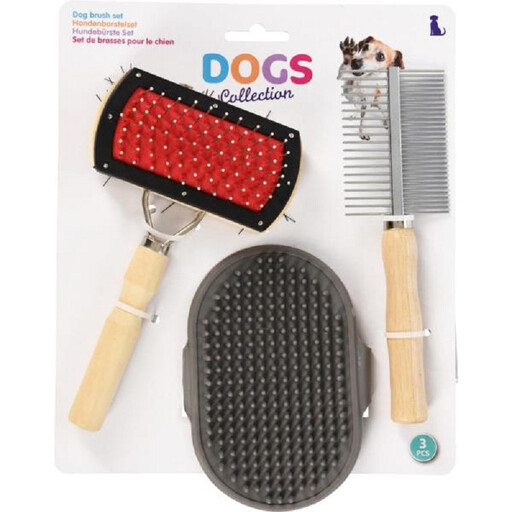
Why This Fits Their Persona: This set is a practical starter kit for new pet owners. It provides three different tools for various grooming tasks, from removing loose hair to detangling, without requiring a large initial investment.
Instead of relying on an ineffective "one-size-fits-all" tool, this set offers specialized combs for different coat textures and grooming goals. This bypasses the universal solution myth.
Offers excellent value for money and covers the basic grooming needs for many coat types with three distinct tools.
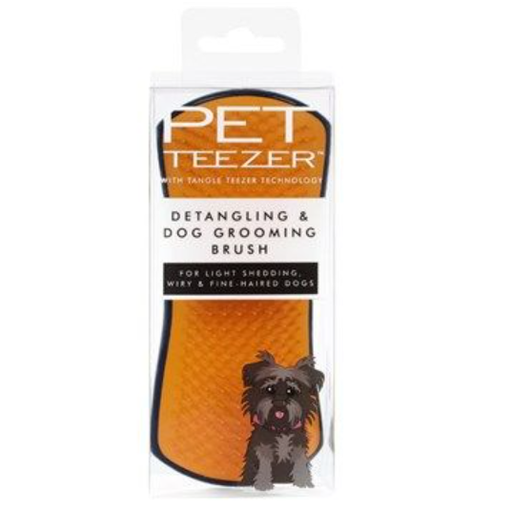
Why This Fits Their Persona: Ideal for owners of dogs with long, curly, or mat-prone fur. This brush is specifically designed to work through knots without pulling or causing pain, making the grooming routine more pleasant for sensitive pets.
This product avoids the pitfall of painful grooming. According to the manufacturer, it uses a patented two-tier bristle technology with flexible teeth that yield to resistance instead of tugging at knots.
Specializes in pain-free detangling for high-maintenance coats. The ergonomic handle ensures comfortable use, even during longer grooming sessions.
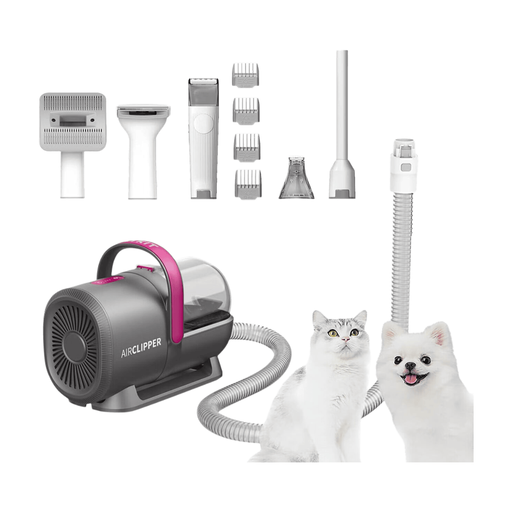
Why This Fits Their Persona: For pet owners seeking a clean and highly efficient solution. This set combines various grooming attachments with a vacuum function that suctions up loose hair directly during brushing. This significantly reduces cleanup around the house.
This set solves the problem of flying hair that occurs with conventional brushes. The vacuum function is a tangible benefit, not an empty marketing promise. According to PETKIT, it captures up to 99% of pet hair.
A multifunctional system with five attachments for trimming, brushing, and deshedding. The integrated vacuum ensures a clean environment, making it an effective **pet hair remover**.
We have compiled a complete, up-to-date list of products that fully meet these strict selection criteria and UK safety regulations.
The frequency depends heavily on the coat type and the season.
A suitable dog shampoo is distinguished by several features. Look for a pH level optimized for dog skin (approx. 6.9), as indicated on products like the Glückstier Fragrance-Free Dog Shampoo. Formulas that are free of parabens, silicones, and artificial fragrances are an excellent choice, especially for sensitive pets. Moisturizing ingredients can help protect the skin from drying out.
Many animals react anxiously to nail clipping. Patience and positive reinforcement are key.