
Lieferung heute & morgen

Qualitätsgarantie

Willkommens-Angebote freischalten: KOSTENLOSE Lieferung | Bis zu 80 % RABATT | Kostenlose 30-Tage-JoyPlus-Testphase
App herunterladen
Choosing the right dog house can quickly become overwhelming. The market is flooded with models that promise durability and comfort. However, what seem like great deals often turn out to be poor investments, showing defects after only a short time. As a Joybuy Product Recommendation Officer, I'll help you identify common purchasing pitfalls and make an informed decision that meets your dog's needs and your quality standards.
Many dog owners invest in a product that looks convincing at first glance but hides critical weaknesses. Pay close attention to these three points to avoid disappointment:
To make the right choice, focus on objective and verifiable features. These three core parameters are crucial for the longevity and functionality of a dog house.
The foundation of any good dog house is its material. Look for models with a sturdy base frame, ideally made of metal, which supports the entire structure and protects it from warping. For wooden houses, it's important that the wood is treated or naturally weather-resistant. A combination of a metal frame and wood panels often offers a good balance of stability and aesthetics. For purely indoor use, furniture-style dog crates made of wood or a folding dog crate made of metal and fabric can be practical alternatives.
The house should be large enough for your dog to stand comfortably, turn around, and stretch out. However, a house that is too large cannot effectively retain the dog's body heat in winter. For a dog house for large dogs, pay special attention to the interior dimensions. A slightly elevated floor protects against ground cold and moisture. A removable roof or a removable floor are critical features that significantly simplify cleaning.
For outdoor use in winter, integrated insulation in the walls and floor is a must. An insulated dog house with materials like styrofoam keeps the heat in and protects from the cold outside. For indoor use, priorities are different: here, an indoor dog crate can serve as a safe retreat that blends harmoniously into the living space. A soft, orthopedic dog bed can further enhance comfort in any type of house or crate.
Instead of making a one-size-fits-all recommendation, we have identified products that meet specific requirements and avoid the pitfalls mentioned earlier.
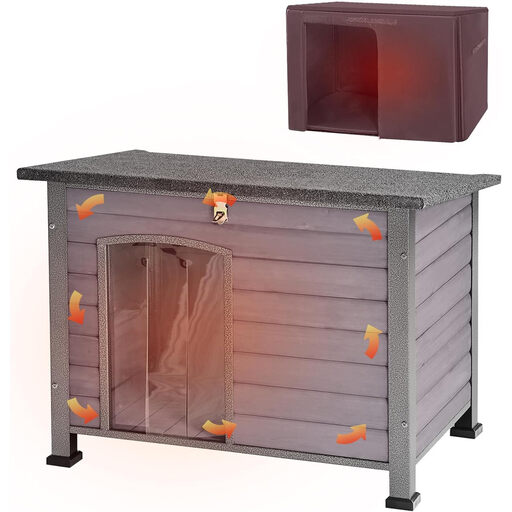
Why This Fits Their Persona: Ideal for dog owners seeking a robust and reliable all-season solution for the outdoors, who prioritise protection from cold and moisture.
The integrated insulation and fully enclosed steel frame directly address the common problems of poor weather resistance and insufficient heat retention.
Fully insulated structure for winter use. Steel frame construction for maximum stability and durability.
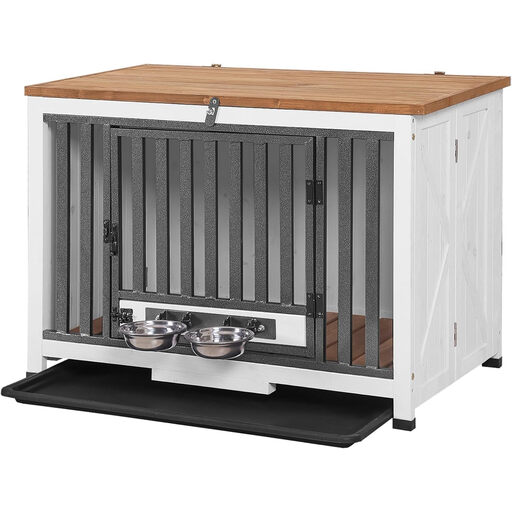
Why This Fits Their Persona: Perfect for owners looking for a stylish indoor solution that integrates into their living space as a piece of furniture while serving as a secure indoor dog crate.
This product is clearly positioned as an indoor solution, avoiding false promises of weather resistance. The removable bottom tray solves the problem of complicated cleaning.
Tool-free assembly in under 30 seconds. Dual function as a dog crate and side table. Removable tray for easy cleaning.
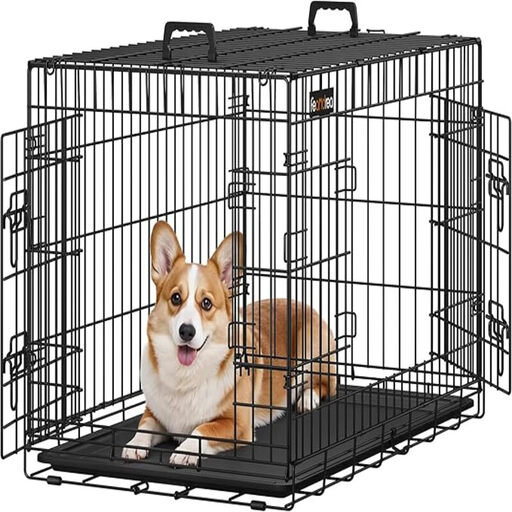
Why This Fits Their Persona: Suitable for owners of large dogs who need a flexible, portable, and easy-to-clean solution for indoors, travel, or training.
This wire crate is a purely functional solution. The slide-out plastic tray makes cleaning extremely simple, bypassing the hygiene trap of fixed floors.
Collapsible design for easy transport and storage. Two doors for flexible access. Slide-out plastic tray for effortless cleaning.
We've compiled a complete, up-to-date list of products that fully meet these strict selection criteria and safety standards.
As a rule of thumb, the dog should be able to stand up comfortably, turn around, and stretch out in a natural position. However, the house should not be excessively large, especially if it will be used in the winter. In a space that is too big, the dog's body heat is lost, which reduces the warming effect.
A thorough cleaning is recommended every one to two months. This should involve disinfecting all surfaces and completely replacing the bedding material. A weekly check for coarse dirt, food scraps, and moisture is also advisable. Models with a removable floor or a hinged roof make this process much easier.
Yes, if your dog spends time outdoors in cold temperatures, good insulation is essential. An insulated dog house from the factory is the most effective solution, as the insulation is integrated into the walls, floor, and often the roof. Alternatively, you can add a thick layer of straw (not hay, as it can mold) or special thermal mats, but integrated insulation provides more comprehensive protection.