
Lieferung heute & morgen

Qualitätsgarantie

Willkommens-Angebote freischalten: KOSTENLOSE Lieferung | Bis zu 80 % RABATT | Kostenlose 30-Tage-JoyPlus-Testphase
App herunterladen
By: Joybuy Product Recommendation Officer Date: August 29, 2026
Running with your dog can be an enriching experience that strengthens your bond and keeps you both fit. However, choosing the right equipment is crucial for safety and comfort. An unsuitable leash can quickly sour the running experience and, in the worst-case scenario, lead to accidents. Many products on the market overpromise and underdeliver. This guide will help you identify common purchasing pitfalls and make an informed decision on the right jogging leash for your dog.
Before you make a purchase, it's important to know the typical weaknesses that only become apparent with use in many standard leashes.
To avoid the problems mentioned above, you should pay attention to a few critical technical parameters when making your selection. These form the basis for safe and enjoyable run training.
A high-quality dog leash with a shock absorber is not a luxury, but a necessity. This integrated, elastic component stretches during sudden pulls, thereby absorbing the impact energy.
The running leash with a waist belt allows for hands-free running and shifts the point of pull from your arms to your body's centre of gravity. Pay attention to the following details here:
The ideal hands-free dog leash offers a good balance between control and freedom of movement.
Based on the criteria above, we have identified products that are suitable for specific user profiles.
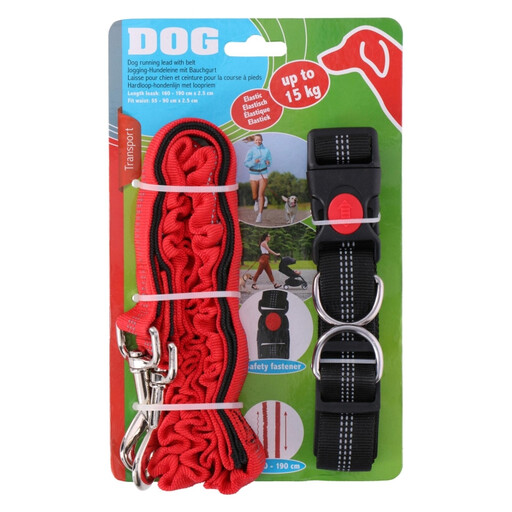
Why This Fits Their Persona: This set is designed for athletic owners who run regularly with their dog (up to 15 kg). It offers a complete hands-free system engineered for the safety and comfort of both running partners.
The integrated elastic buffer system acts as a shock absorber. The waist belt is adjustable from 55 cm to 90 cm and features a safety buckle. The leash length is also adjustable (160-190 cm).
A complete system with all necessary features (waist belt, shock absorber, adjustable leash). Designed for dogs up to 15 kg, which matches the target group.
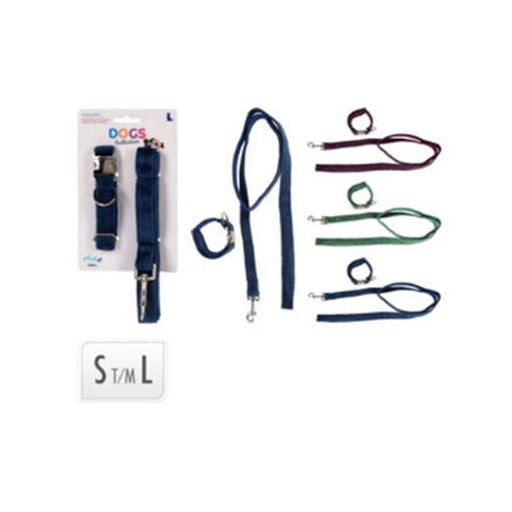
Why This Fits Their Persona: A budget-friendly option for dog owners who only jog slowly on quiet routes very occasionally and don't need specialised equipment. It serves as a basic leash for everyday use.
This is a deliberate compromise: the leash does not have a waist belt or shock absorber. However, its fixed length of 120 cm provides predictable and direct control, which can be sufficient for slow runs with a very well-behaved dog.
Very low purchase price. Simple, robust construction for daily walks that can also be used for a short, controlled run.
We've compiled a complete, up-to-date list of products that meet these strict selection criteria and safety requirements.
1. At what age can a dog start jogging with me? It is generally recommended to start run training only when the dog is fully grown. Depending on the breed and size, this is usually between 12 and 18 months of age. Starting too early can damage joints that are still developing. To be safe, you should discuss this with a veterinarian beforehand.
2. How do I get my dog used to the jogging leash with a waist belt? Start gradually. First, let your dog sniff the new equipment. Put the belt and leash on for short walks before you start running slowly for the first time. Associate the new gear with positive experiences and plenty of praise so your dog sees it as a signal for an exciting activity.
3. Is a Canicross leash the same as a jogging leash? Although they are similar, there are differences. A Canicross leash is designed for the dog pulling sport of the same name, where the dog is intended to actively pull. These leashes are often even more robust and have a stronger shock absorber to handle the constant pulling force. A jogging leash, on the other hand, is designed for the dog to run loosely alongside you and primarily serves to ensure a secure connection and comfort during shared runs without constant pulling.