
Lieferung heute & morgen

Qualitätsgarantie

Willkommens-Angebote freischalten: KOSTENLOSE Lieferung | Bis zu 80 % RABATT | Kostenlose 30-Tage-JoyPlus-Testphase
App herunterladen
Choosing a dog leash might seem simple at first, but the sheer variety of models and features can quickly become overwhelming. Many dog owners only discover after purchase that their chosen model has shortcomings in daily use. Three common problems lead to frustration and unnecessary expense: unreliable braking mechanisms that fail under heavy pulling, uncomfortable handles that chafe during long walks, and materials that can't withstand the strain of a strong dog. Therefore, making a thoughtful choice tailored to the specific needs of both dog and owner is crucial.
This guide will help you identify the key features and make an informed decision.
To find the right dog leash, you should consider three core aspects: the leash type, the material, and its integrated safety features.
The intended use determines the right type of leash.
The material is crucial for durability and safety.
Good visibility can be crucial in many situations.
Here are some recommendations tailored to different dog owner profiles.
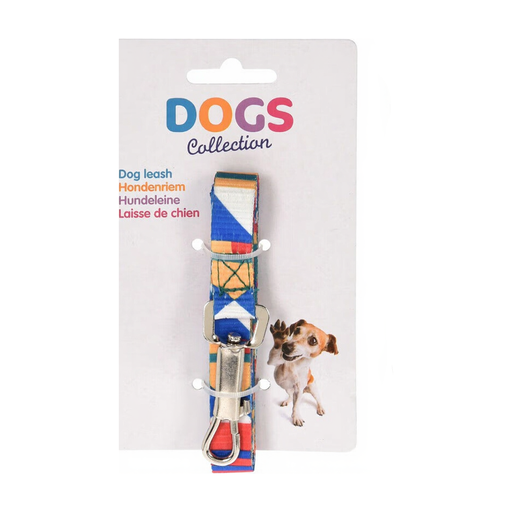
Why this model is a great fit: Ideal for owners of small to medium-sized dogs who need a simple, reliable leash for daily walks in the city or park. The 120 cm length offers excellent control.
This model forgoes complex mechanisms that can be prone to failure in budget versions. As a classic standard leash, it provides direct, reliable control with no risk of malfunction.
Its construction from durable materials and the non-slip handle are designed for daily, long-term use.
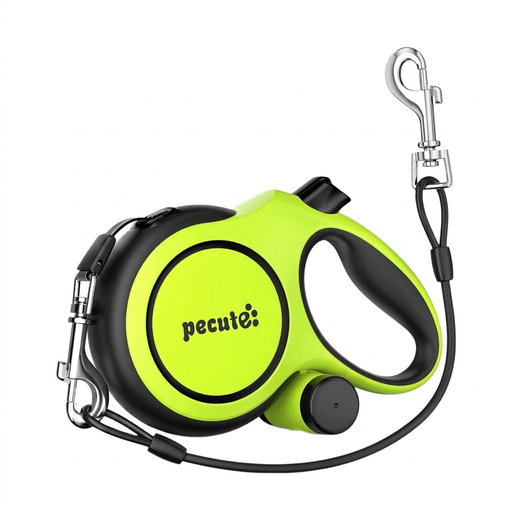
Why this model is a great fit: Designed for medium to large dogs up to 50 kg. Its features are specifically tailored to the challenges of handling powerful dogs.
Unlike many leashes whose material gives way under strong pulling, this model features a bite-proof steel wire extension and a robust retraction mechanism designed for high loads.
The 8-metre leash offers controlled freedom, while the reflective tape enhances visibility. The integrated waste bag dispenser is a practical bonus.
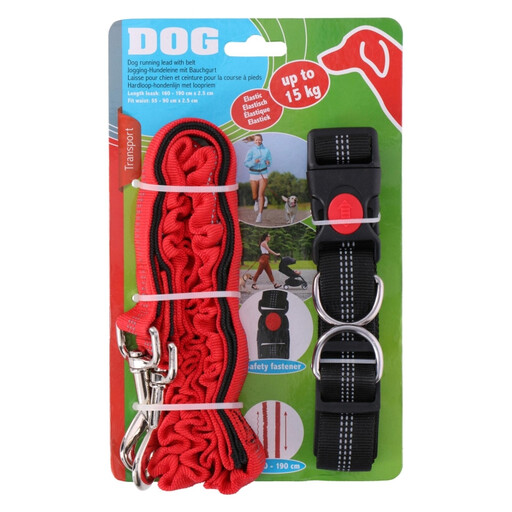
Why this model is a great fit: It allows for hands-free running while maintaining secure control over the dog. Ideal for active owners who want to include their dog (up to 15 kg) in their activities.
Instead of an impractical hand-held leash that can be disruptive and dangerous while running, this system with a waist belt and shock absorber offers safety and comfort for both runner and dog.
The elastic buffer system absorbs sudden jolts, and the adjustable waist belt (55-90 cm) ensures a secure and comfortable fit.
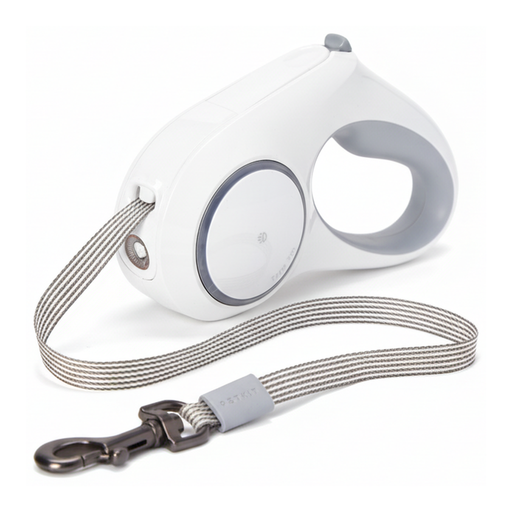
Why this model is a great fit: It solves the core problem of poor visibility during early morning or late evening walks with an innovative lighting solution.
While simple reflective elements only passively reflect light, the integrated LED lighting provides active visibility and illuminates the path, significantly increasing safety for both dog and owner.
The integrated LED lighting and convenient magnetic charging dock make this leash a comfortable and safe solution for night owls.
We have compiled a complete, up-to-date list of products that fully meet these strict selection criteria and German safety regulations.
1. How do I choose the right leash length? Short standard leashes (1–2 m) are ideal for the city, training, or vet visits, as they provide maximum control. Medium lengths (3–5 m) offer a good compromise between control and freedom of movement. Long retractable leashes (e.g., 8 m) are suitable for walks in parks or fields where you want your dog to have more room to explore while you still maintain control.
2. Are retractable leashes suitable for every dog? Retractable leashes are practical but require responsible handling. They are less suitable for obedience training with puppies or for dogs that pull very strongly and uncontrollably. The constant, light tension from a retractable leash can signal to the dog that pulling is desired. In such cases, a fixed-length standard leash is often the better choice for providing clear feedback.
3. How do I properly care for a dog leash to extend its lifespan? Clean the leash regularly with a damp cloth, especially after walks in the rain or mud. A wet retractable leash should always be fully extended to dry to prevent mould growth inside and damage to the retraction mechanism. Regularly inspect the carabiner, stitching, and leash material for signs of wear or damage to ensure safety.