
Lieferung heute & morgen

Qualitätsgarantie

Willkommens-Angebote freischalten: KOSTENLOSE Lieferung | Bis zu 80 % RABATT | Kostenlose 30-Tage-JoyPlus-Testphase
App herunterladen
Choosing a dog leash seems simple at first glance. However, the market is filled with products whose quality and suitability vary widely. The wrong choice can not only be uncomfortable but also compromise the safety of both the dog and the owner. Many dog owners invest in leashes that show wear and tear after a short time or are unsuitable for their particular dog. This guide will help you identify the crucial features and make an informed decision.
Before we dive into the solutions, it's important to understand the three most common problems that lead to a bad purchase:
To avoid these pitfalls, focus on three objective criteria. These will help you separate the wheat from the chaff and find a leash that suits both you and your dog.
The material determines the leash's durability, weight, and maintenance requirements.
The type of leash should be tailored to your activities and your dog's needs.
This is especially true when choosing a dog harness. Before buying, measure your dog's neck and chest circumference at the widest point. As a rule of thumb, you should be able to fit two fingers between the strap and the dog's body. This ensures the harness neither chafes nor is so loose that the dog can escape. Manufacturer weight recommendations provide additional guidance for finding the right equipment for a leash for large dogs or small breeds.
Here are some product recommendations tailored to specific dog owner profiles that meet the quality criteria mentioned above.
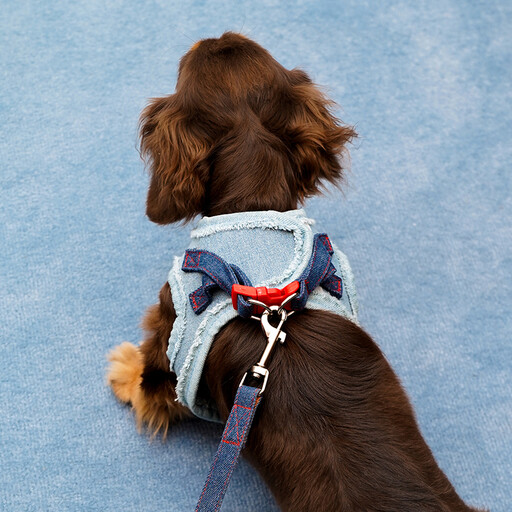
Why it's a great fit: This set is ideal for owners looking for a comfortable and secure solution for everyday use. The harness distributes pressure evenly, and the soft material is pleasant for the dog.
This set addresses the problem of an ill-fitting harness. Its enveloping 3D shape and breathable mesh lining prevent chafing and ensure a secure fit.
The combination of soft denim fabric and a breathable inner lining offers superior comfort. The pressure distribution protects the sensitive neck area.
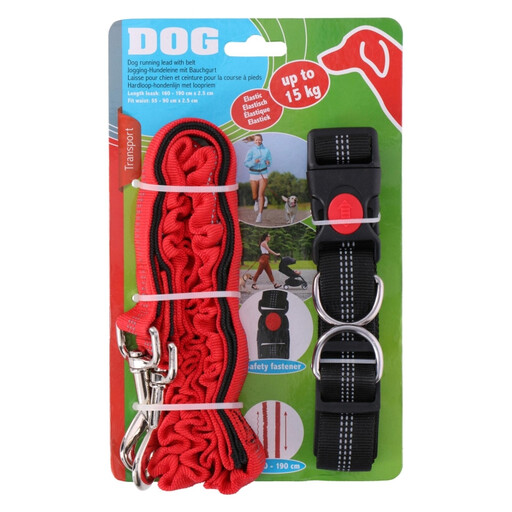
Why it's a great fit: This jogging leash is designed for active owners who want to keep their hands free while running or hiking without compromising their dog's safety.
Instead of using an unsuitable standard leash, this system provides a secure attachment to the body. The integrated shock absorber absorbs jolts, preventing injuries from sudden pulling.
Hands-free design with an adjustable waist belt (55–90 cm) and an elastic buffer for enhanced comfort and safety during athletic activities.
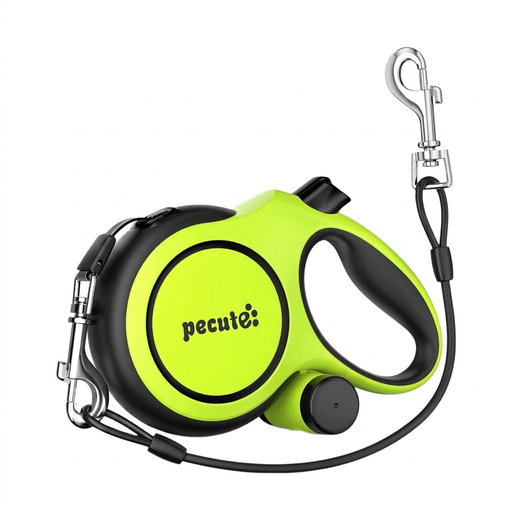
Why it's a great fit: This heavy-duty retractable leash is designed for medium to large dogs (up to 50 kg), offering an 8-meter length for ample freedom while its braking system ensures reliable control.
Unlike basic retractable leashes whose mechanisms can fail under strong pulling, this model is built for high stress. A chew-proof steel cable end also prevents damage from the dog.
Long range (8 m), high load capacity (up to 50 kg), a tangle-free outlet, and an integrated waste bag dispenser make it a highly functional solution.
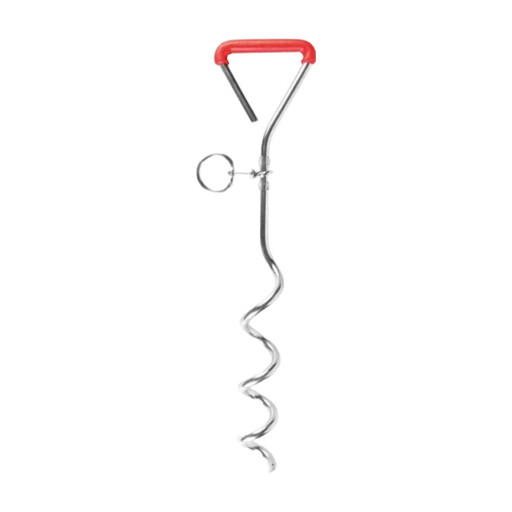
Why it's a great fit: This tie-out stake for dogs is a secure solution for giving a dog a limited but safe range of motion in the garden, while camping, or at the park.
It replaces insecure attachments to garden furniture or fences. The galvanized steel anchors deep and firmly into the ground, providing a reliable hold for supervised outdoor time.
Durable, galvanized steel for a long-lasting and secure anchor in the ground. The plastic handle makes it easy to screw in and remove.
We have compiled a complete, up-to-date list of products that fully meet these strict selection criteria and rigorous safety requirements.
Using a flexible measuring tape, measure your dog's chest circumference at its widest point, just behind the front legs. Also, measure the neck circumference. Compare these measurements with the manufacturer's size chart. Ensure there is enough space to fit two fingers between the strap and the dog's body to guarantee both comfort and security.
Regularly inspect your leash for visible damage. Look for frayed areas on the strap, tears in the material, or signs of rust on the clasp. Test the clasp's locking mechanism and, with a retractable leash, the brake function. At any sign of material fatigue or malfunction, the leash should be replaced immediately to ensure safety.
For puppies in training and dogs that pull hard on the leash, a fixed-length lead is often the better choice. It allows for more direct communication and control to practice loose-leash walking. A retractable leash, if used improperly, can unintentionally reinforce pulling. It is best suited for well-trained dogs in open areas where more freedom of movement can be safely granted.