
Lieferung heute & morgen

Qualitätsgarantie

Willkommens-Angebote freischalten: KOSTENLOSE Lieferung | Bis zu 80 % RABATT | Kostenlose 30-Tage-JoyPlus-Testphase
App herunterladen
An orthopaedic dog bed is more than just a place to sleep. For senior dogs, large breeds, or pets with joint conditions like arthritis, it can significantly improve their quality of life. However, the market is crowded, and many products don't live up to their promises. As your Joybuy Product Recommendation Officer, I'm here to help you identify the crucial features and avoid making the wrong purchase.
Many dog owners invest in a supposedly high-quality bed, only to be disappointed after a few months. Pay attention to these three typical problems to make an informed decision:
To separate the quality products from the rest, you should carefully examine three technical features. These determine the bed's comfort, durability, and true supportive function.
The material inside determines how well body weight is distributed and how much pressure is relieved from the spine.
A high-quality cover not only protects the filling but also ensures hygiene and comfort. Look for a sturdy zip that makes removing and replacing the cover easy. Materials like faux linen are durable and dirt-repellent. A non-slip base with rubber grips prevents the bed from sliding on smooth floors, which is especially important for dogs that are unsteady on their feet or seniors.
An orthopaedic dog bed can only be effective if it's the right size. Your dog should be able to stretch out completely without their head or legs hanging over the edge. Measure your dog from the tip of their nose to the base of their tail to determine the required length of the sleeping surface. Whether a flat orthopaedic dog mattress or a donut bed with a raised bolster is the better choice depends on your dog's sleeping habits. A bolster provides many dogs with a sense of security and a place to rest their head.
Here are some product recommendations tailored to the specific needs of dog owners.
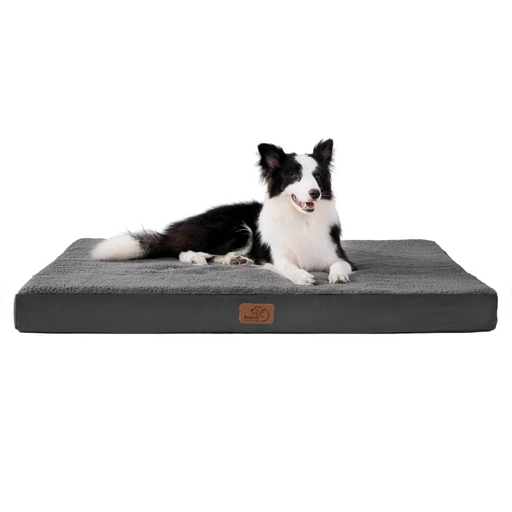
Why this model is a great fit: This bed is designed for dogs that need targeted pressure relief. The convoluted structure of the egg-crate foam distributes weight evenly, relieving sensitive joints and bones, making it an excellent choice for dogs with arthritis or those recovering from surgery.
It uses specialised convoluted foam instead of simple fibre filling, thus avoiding the "orthopaedic" trick. The zip-off cover solves the hygiene problem.
Targeted pressure distribution via egg-crate foam; non-slip base for added stability.
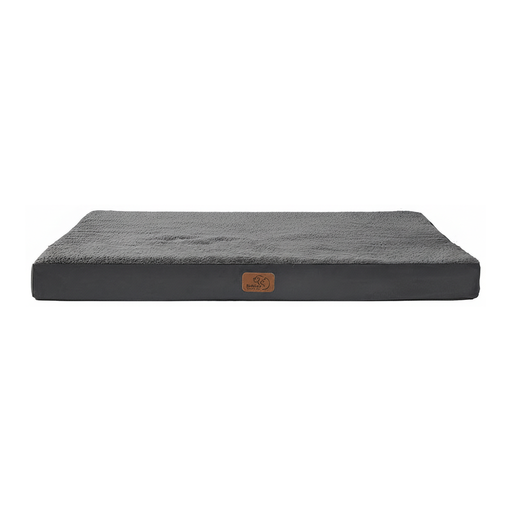
Why this model is a great fit: Large dogs need a stable and sufficiently thick sleeping surface that can support their weight without sagging. At 9 cm high and with a generous surface area, this bed provides the necessary support for breeds up to 45 kg and allows them to stretch out comfortably.
The dense foam mattress counteracts the rapid sagging that is a common problem with beds for heavy dogs. Its size is explicitly designed to meet the needs of large breeds.
High and shape-retaining mattress; generous sleeping area (104x74 cm) for maximum freedom of movement.
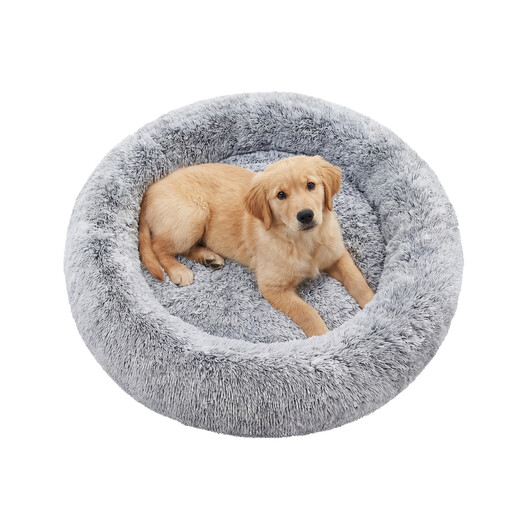
Why this model is a great fit: For owners who prioritise simple and thorough cleaning. The key feature of this bed is the centre cushion, which is completely removable via a zip. This means you don't have to fit the entire, often bulky, bed into the washing machine.
This design solves the hygiene trap in a particularly practical way. Instead of just offering a removable cover, the most heavily used part—the cushion—can be washed separately.
Removable and machine-washable centre cushion for effortless cleaning; high bolster for a sense of security.
We have compiled a complete, up-to-date list of products that fully meet these strict selection criteria.
1. How long does it take for an orthopaedic dog bed to lose its shape? The lifespan depends directly on the quality and density of the foam. A high-quality orthopaedic dog cushion with memory foam or high-density cold foam can remain shape-retentive for several years with proper care. Inexpensive models with simple filling often show significant sagging after just a few months.
2. How do I get my dog used to their new orthopaedic bed? Some dogs take to a new bed immediately, while others are sceptical. Place a familiar blanket or a piece of your worn clothing on the bed. The familiar scent builds trust. You can also place their favourite toy on it or lure them onto the bed with treats and reward them for being there.
3. Is a memory foam dog bed suitable for every dog? A memory foam dog bed is especially beneficial for senior dogs, dogs with joint problems (e.g., hip dysplasia, elbow dysplasia, arthritis), or very large, heavy breeds, as it offers optimal pressure relief. However, any dog can benefit from the high level of comfort. For young, healthy, and very active dogs that prefer to sleep cooler, a bed with egg-crate foam can be a great alternative as it allows for better air circulation.