
Lieferung heute & morgen

Qualitätsgarantie

Willkommens-Angebote freischalten: KOSTENLOSE Lieferung | Bis zu 80 % RABATT | Kostenlose 30-Tage-JoyPlus-Testphase
App herunterladen
As a dog owner, you know the problem: the market for dog toys is vast and overwhelming. You invest in a supposedly durable toy, only to find it in pieces minutes later. Or that expensive, interactive gadget lies ignored in the corner after a short time. These bad purchases are not only a waste of money but can also pose safety risks for your dog.
This guide, compiled by the Joybuy Product Recommendation Officer, will help you navigate the common pitfalls. We focus on the objective criteria that truly matter, so you can make an informed decision for your dog's safety and well-being.
Before we dive into the selection criteria, let's highlight the three most common issues that lead to frustration and unnecessary expense:
To avoid these pitfalls, you should base your selection on three fundamental parameters. These will help you separate the wheat from the chaff and find a suitable and safe product.
The material composition is the be-all and end-all for durability and safety. Look for clear manufacturer specifications.
Not every toy suits every dog or every situation. The right choice can prevent boredom and enhance well-being.
The size and hardness of the toy must be appropriate for the dog. A toy for a Chihuahua is a potential choking hazard for a Great Dane.
Based on the criteria above, we have compiled a selection of products suitable for different needs and dog personalities.
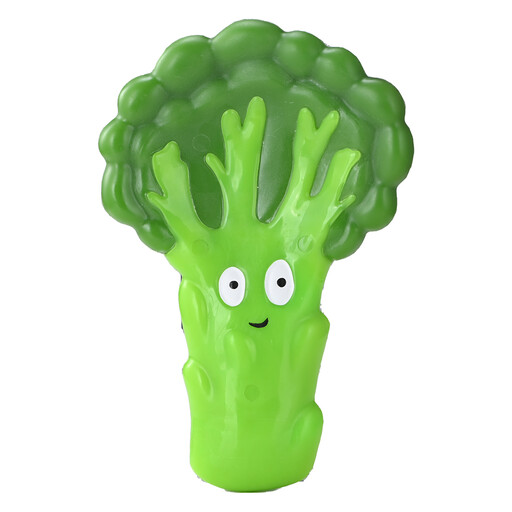
Why This Fits Their Persona: Ideal for dogs that tend to destroy softer toys in minutes. The robust nylon construction is designed for persistent chewing and offers a durable way to keep them occupied.
Addresses the problem of false durability claims by using solid nylon, a material renowned for its resilience.
Durable nylon material for long-lasting chewing fun; stated by the manufacturer to be BPA-free and non-toxic.
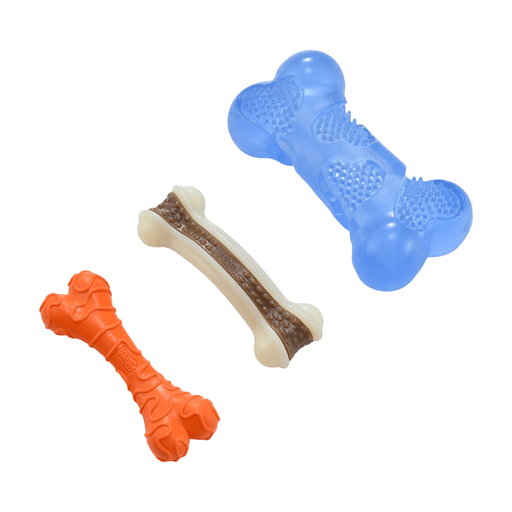
Why This Fits Their Persona: This set is specially designed for the needs of teething puppies. The combination of harder nylon and softer TPR nubs helps to soothe itchy gums and channel the chewing instinct in the right direction.
Avoids the pitfall of an unsuitable toy by offering a targeted solution for the specific life stage of teething, which has special requirements for material and shape.
Set of 3 different shapes for variety; material combination for gum massage and dental cleaning.
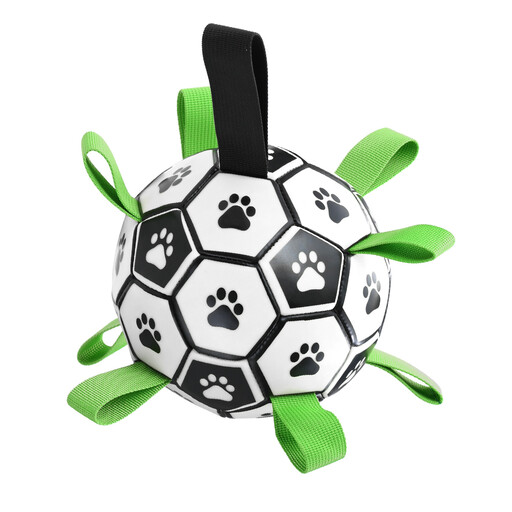
Why This Fits Their Persona: Perfect for dog owners who want to play actively with their dog and provide physical exercise. The woven straps allow the dog to easily grab the ball, making it ideal for games of fetch and retrieve.
Combats the problem of boredom by providing a tool for active, shared play that strengthens the bond and ensures high levels of physical activity.
Inflatable and lightweight for easy transport; special woven structure makes it easier for the dog to grip and carry.
We've compiled a complete, up-to-date list of products that fully meet these strict selection criteria and German safety regulations.
There is no fixed rule, as the lifespan depends on the material, the dog's chewing power, and the frequency of use. A regular inspection is crucial. Replace toys at the first sign of cracks, breaks, or if small parts could come loose. A heavily worn toy poses a safety risk.
Materials like natural rubber, durable nylon, and TPR (Thermoplastic Rubber) are generally good and safe options for most dogs. Always pay attention to the product description and look for labels like "non-toxic" or "BPA-free." Avoid toys made of cheap, soft plastic that can be easily bitten apart, as well as toys with poorly attached small parts.
The cleaning method depends on the material.
Always let every toy air dry completely after cleaning to prevent mould growth.