
Lieferung heute & morgen

Qualitätsgarantie

Willkommens-Angebote freischalten: KOSTENLOSE Lieferung | Bis zu 80 % RABATT | Kostenlose 30-Tage-JoyPlus-Testphase
App herunterladen
As a dog owner, you know the problem: a new toy is met with enthusiasm, only to be torn to shreds minutes later. Or worse, it poses hidden risks to your four-legged friend's health. The selection of dog toys is vast, but not every product lives up to its advertising claims. This guide will help you separate the good from the bad and make an informed decision.
As your Joybuy Product Recommendation Officer, I've made it my mission to filter through market information and provide you with practical advice, so you can find the right toy for your dog's needs without falling for marketing hype.
Before we dive into the selection criteria, let's look at the two most common problems that lead to frustration and unnecessary expense:
To avoid these pitfalls, focus on three objective criteria. These will help you evaluate a toy's quality and suitability impartially.
The material is the most critical factor for safety and longevity. Look for clear labelling and prioritise proven materials:
An important label to look for is BPA-free, which ensures that no harmful plasticisers are included.
The type of toy must match your dog's personality and needs. A bored dog requires a different kind of stimulation than a dog that loves to chew.
Instead of making a one-size-fits-all recommendation, we have selected products for clearly defined profiles.
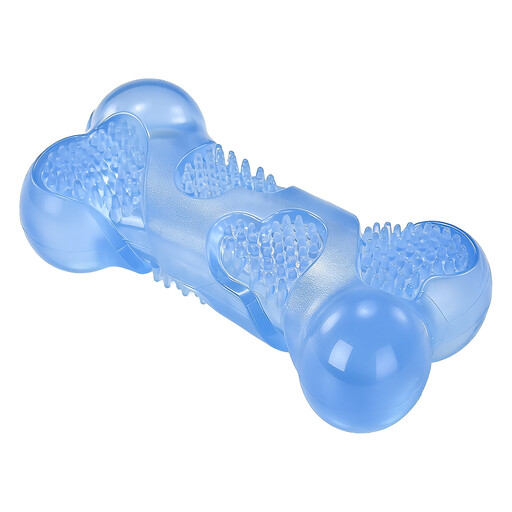
Why This Fits Their Persona: Puppies who are teething need a toy that massages their sensitive gums without causing injury. This toy is specifically designed for this purpose and provides extra incentive with its squeaker.
It's not marketed as indestructible, but as a functional tool for the teething phase. The soft latex is a deliberate material choice for puppies, not for adult power chewers.
The soft latex material is gentle on the gums. The integrated squeaker sparks curiosity and encourages play.
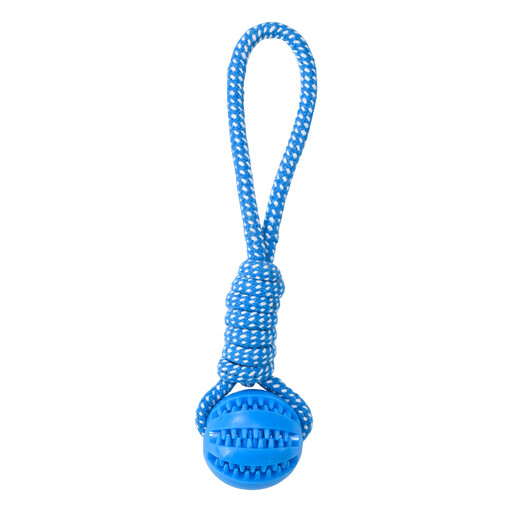
Why This Fits Their Persona: Dogs with a strong urge to chew need a toy that is both durable and offers a mental challenge to redirect destructive behaviour. This toy combines both.
Instead of relying on a single, fallible material, it combines resilient TPR with a tightly woven cotton rope. This offers different chewing textures and channels destructive force into an intended interaction (pulling and chewing).
The combination of TPR and cotton rope offers high durability. The integrated treat dispenser provides long-lasting mental enrichment.
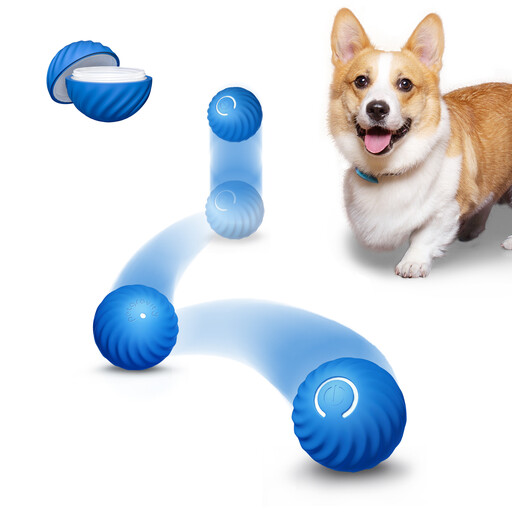
Why This Fits Their Persona: Smart dogs get bored quickly with static toys. This model provides continuous mental and physical stimulation through its unpredictable movements.
Unlike simple balls that quickly become uninteresting, this smart dog toy uses an algorithm to repeatedly re-engage the dog's prey and play drives. It's an active form of enrichment, not just a passive object.
The smart algorithm creates unpredictable movements. The ball is USB-C rechargeable and features replaceable covers.
We have compiled a complete, up-to-date list of products that fully meet these strict selection criteria and safety requirements.
1. How often should you replace dog toys? The lifespan of a toy depends on the dog's chewing strength and the intensity of play. Inspect toys weekly for cracks, loose threads, or protruding parts. Damaged toys should be discarded immediately to prevent parts from being swallowed. Soft toys and latex toys generally have a shorter lifespan than solid toys made of TPR or natural rubber.
2. What material is suitable for heavy chewers? For dogs with a strong need to chew, solid toys made from natural rubber or Thermoplastic Rubber (TPR) are a good choice. These materials are tough but flexible enough to withstand chewing without damaging the teeth. Look for a solid construction without thin, easily bite-off parts.
3. Are squeaky toys suitable for every dog? Squeaky toys can strongly stimulate the prey drive and are great fun for many dogs. However, for some dogs, the sound can lead to over-excitement or frustration, especially if they try to "hunt" and remove the squeaker from inside. Observe your dog's reaction. If they seem obsessive or stressed, a toy without sound, like a treat-dispensing ball or a durable chew toy, might be a better alternative.