
Lieferung heute & morgen

Qualitätsgarantie

Willkommens-Angebote freischalten: KOSTENLOSE Lieferung | Bis zu 80 % RABATT | Kostenlose 30-Tage-JoyPlus-Testphase
App herunterladen
As a Joybuy Product Recommendation Officer, I see every day how many well-intentioned dog toy purchases end in disappointment. An expensive toy destroyed in minutes, or a supposedly interactive gadget that the dog ignores—these scenarios are frustrating and costly. The goal of this guide is to provide you with objective criteria to help you make an informed decision and avoid common purchasing pitfalls.
The most common problems when choosing dog toys can be narrowed down to three key points:
To avoid these pitfalls, you should check three fundamental parameters before buying. These will help you see through the marketing promises and find a product that truly suits your dog.
The material is the decisive factor for durability, safety, and fun.
Not every toy serves the same purpose. Consider which of your dog's needs you want to address:
A common mistake is choosing a toy that is too small or too soft. A dog toy for large dogs must not only be bigger but also made of a much more resilient material than a puppy toy. A toy that is too small poses a choking hazard, while one that is too large or too hard can be uninteresting for a small dog or even harmful to its teeth.
Based on the criteria above, we have selected a few products from our range that are suitable for specific requirement profiles.
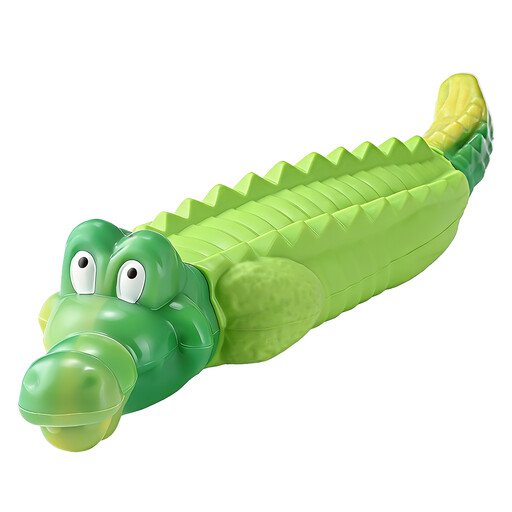
Why This Fits Their Persona: Ideal for owners of medium to large dogs that regularly destroy toys. This product is specifically designed for heavy use.
The dual-layer construction, featuring a hard nylon core and a flexible outer layer of natural rubber, addresses the problem of false durability claims. It offers resistance without being brittle.
The combination of a hard core and a softer outer layer satisfies the chewing instinct while being gentler on the gums. The size (24 cm) is designed for large breeds.
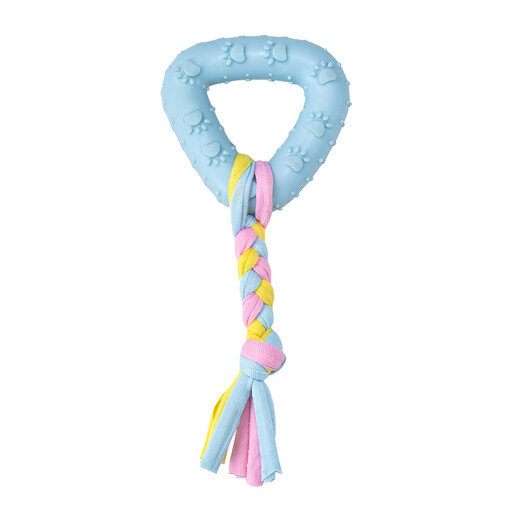
Why This Fits Their Persona: Perfect for dog owners who want to strengthen the bond with their pet through playing together. It is designed for games of tug and fetch.
This toy avoids the "boring toy" trap. The triangle shape and the combination of rope and TPR material actively invite tugging and chewing, offering varied textures.
The material combination of fabric and soft TPR is robust enough for tug games, yet gentle on teeth and gums. The rope fibres can also help with dental cleaning.
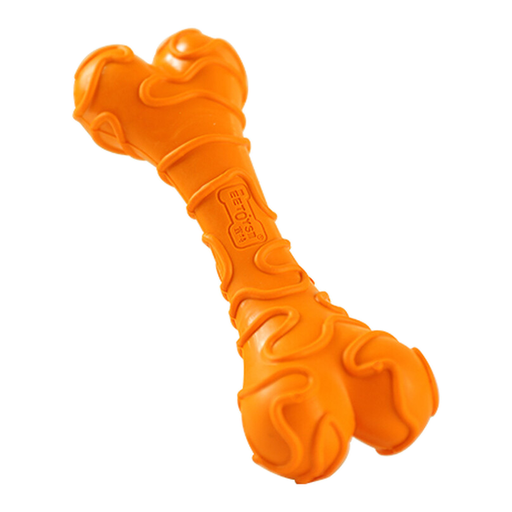
Why This Fits Their Persona: Suitable for owners of small dogs or teething puppies who are looking for a safe yet stimulating toy to relieve teething discomfort.
This toy, made from high-quality latex, bypasses the danger of unsafe materials. Latex is flexible and resilient, but soft enough for the sensitive mouths of puppies and small dogs.
The compact size (10.7 cm) and light weight are ideal for small breeds. The texture of the material can help clean teeth and massage gums during chewing.
We have compiled a complete, up-to-date list of products that meet these strict selection criteria and safety requirements.
The cleaning frequency depends on the type of toy and its usage. Hard toys made of rubber, nylon, or TPR can be cleaned weekly with warm water and mild soap. Fabric and plush toys should be regularly checked for dirt and washed according to the manufacturer's instructions to prevent bacterial growth.
Regularly inspect toys for cracks, loose parts, or heavy wear. A toy should be discarded if it has been chewed down to a size that could be swallowed. With rope toys, you should ensure that the dog does not tear off and eat long threads. Safety always comes first.
For teething puppies (approx. 3 to 7 months), materials that are yielding but durable are suitable. Softer natural rubber or flexible TPR are often a good choice. They massage the sore gums without damaging the new teeth. There are special puppy toys tailored to these needs.