
Lieferung heute & morgen

Qualitätsgarantie

Willkommens-Angebote freischalten: KOSTENLOSE Lieferung | Bis zu 80 % RABATT | Kostenlose 30-Tage-JoyPlus-Testphase
App herunterladen
As a dog owner, you want to bring joy to your four-legged friend and are looking for the perfect dog toy. But the market is overwhelming, and many products don't live up to their promises. This often leads to disappointment, wasted money, and in the worst-case scenario, a safety risk for your dog.
As your Joybuy Product Recommendation Officer, I'm here to help you identify the common pitfalls and make an informed decision. We'll examine which marketing claims to question and what objective criteria truly matter.
To avoid these traps, you should focus on verifiable features. Instead of trusting marketing buzzwords, check the following three core parameters.
The material is the foundation of durability and safety. Look for clear declarations.
A toy is only as strong as its weakest point. The size must be appropriate for your dog's breed and age. A toy that is too small poses a choking hazard, while one that is too large or heavy can overwhelm small dogs. For plush toys, reinforced seams are a sign of quality. For hard plastic toys, a unibody construction (made from a single mold) is best to minimize weak spots.
A dog doesn't just want to chew; it wants to be challenged. This is where toy types differ significantly.
Based on the criteria above, we've selected a few products from our range that are suited for specific needs and dog personalities.
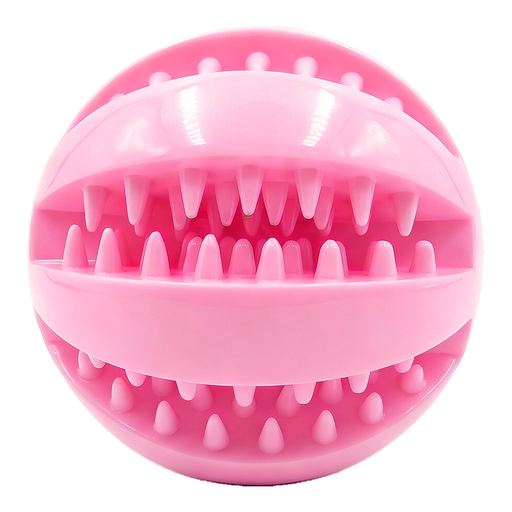
Why This Fits Their Persona: Ideal for small to medium-sized dogs with a strong urge to chew. It offers a durable way to satisfy their natural chewing instinct and burn off energy.
The TPR (Thermoplastic Rubber) material is known for its resilience, countering the problem of toys falsely advertised as "indestructible."
The textured surface can support dental cleaning and massage the gums during chewing. Its spherical design is easy for dogs to grip.
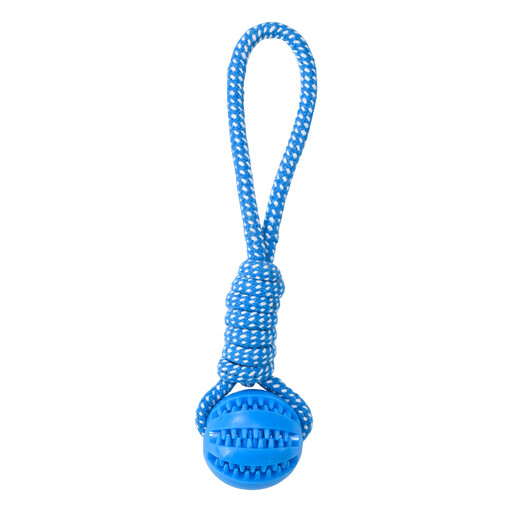
Why This Fits Their Persona: Perfect for dogs that get bored easily and need a mental challenge. This toy promotes problem-solving skills and keeps the dog meaningfully engaged.
The integrated treat compartment ensures long-lasting interest, solving the problem of toys that are quickly ignored. It's a true puzzle toy for dogs.
Combines mental stimulation (treat dispensing) with physical activity (tug games). The dual-material combination of TPR and cotton rope offers varied textures.
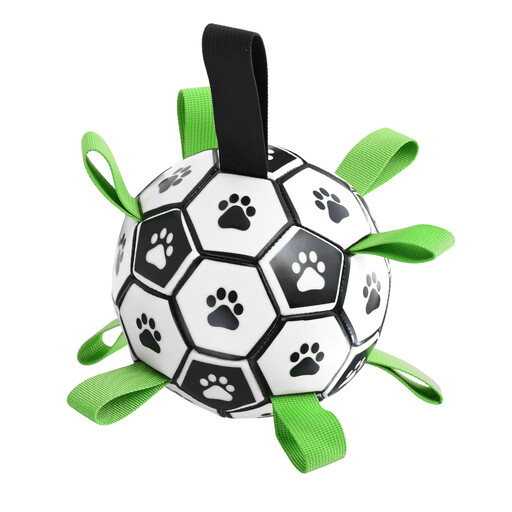
Why This Fits Their Persona: Excellent for dog owners who enjoy playing fetch and other interactive games with their dog outdoors. It promotes exercise and the bond between pet and owner.
The durable, woven fabric structure is designed to withstand bites and scratches, offering better longevity than conventional plush or thin rubber balls.
The inflatable design makes this dog ball portable and easy to store. The high-rebound construction ensures a lively bounce, making fetch more exciting.
We have compiled a complete, up-to-date list of products that fully meet these strict selection criteria and German safety regulations.
The cleaning frequency depends on the type of toy and how it's used. Hard plastic and rubber toys (like a dog treat ball) should ideally be rinsed with warm water after each use, especially if food residue is present. Fabric and plush toys can be cleaned weekly or bi-weekly, depending on how dirty they are, following the manufacturer's washing instructions.
Regularly inspect every toy for cracks, loose threads, or protruding small parts. A chew toy should be replaced if pieces can be bitten off. With a squeaky dog toy, be cautious if the squeaker becomes exposed. Your dog's safety is the top priority, so it's better to discard a damaged toy sooner rather than later.
Materials like TPR (Thermoplastic Rubber), natural rubber, and 100% cotton are considered safe options for most dogs. Look for products explicitly labelled as BPA-free and non-toxic. Avoid cheap, soft plastic toys of unknown origin, as they may contain harmful chemicals. Always supervise your dog during playtime, especially with new toys.