
Lieferung heute & morgen

Qualitätsgarantie

Willkommens-Angebote freischalten: KOSTENLOSE Lieferung | Bis zu 80 % RABATT | Kostenlose 30-Tage-JoyPlus-Testphase
App herunterladen
As a dog owner, you want to bring joy to your four-legged friend and keep them meaningfully engaged. But the market for dog toys is vast and overwhelming. Many products don't live up to their promises and, in the worst case, can even pose a safety hazard. This guide will help you navigate the common pitfalls and make an informed decision.
Before you spend money on the next toy that gets destroyed in a few days, you should be aware of these common problems:
To avoid a bad buy, focus on objective features. Two factors are particularly important: the material and the intended type of play.
The choice of material is the foundation for a safe and durable toy. Look for clear specifications from the manufacturer.
Every dog has different needs. The right toy promotes natural instincts and strengthens the bond between you and your pet.
To make your choice easier, we have put together a few products for different needs and play styles.
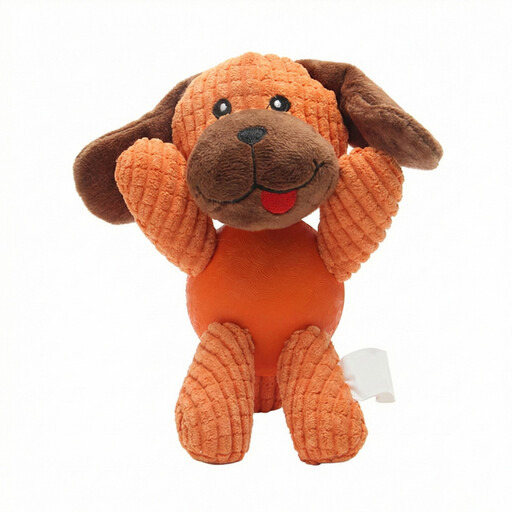
Why it's a match: Ideal for dogs who prefer soft textures but still need a more durable toy than conventional plushies. It's suitable for carrying around, light chewing, and quieter play sessions.
This toy is not advertised as "indestructible." The combination of thick corduroy fabric and natural rubber offers realistic, enhanced durability for gentle to moderate players.
The material combination provides varied tactile stimulation. The integrated squeaker further encourages the play drive.
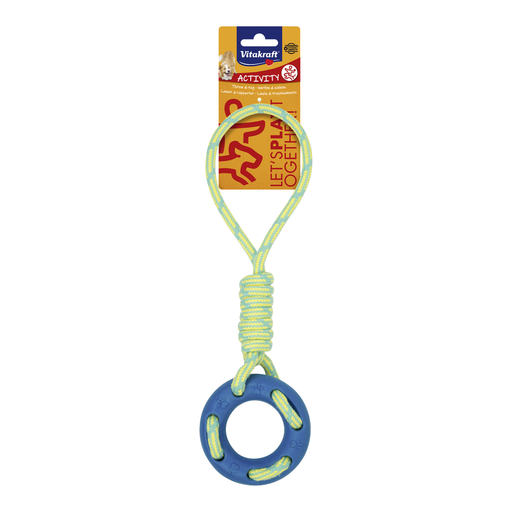
Why it's a match: Perfect for dog owners who want to play actively with their dog. The rope makes it easy to throw and provides a secure grip for games of tug, which strengthens the bond.
This toy is clearly designed for a specific purpose: interactive play. It is not marketed as a universal chew toy, thus avoiding false expectations about its durability during unsupervised, continuous chewing.
The combination of a robust TPR rubber ring and a cotton rope is functional and designed for tugging and fetching. The material is also easy to clean.
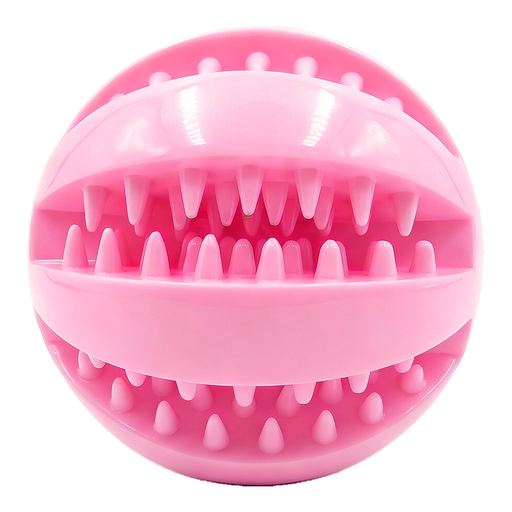
Why it's a match: Suitable for small to medium-sized dogs that love to chew. The toy satisfies the natural chewing instinct and, thanks to its design, can simultaneously support oral hygiene.
The product clearly states which dog size it is suitable for ("small and medium-sized dogs"). The term "bite-resistant" is more realistic than "indestructible." The material specification (TPR) creates transparency.
The TPR material is robust yet flexible, which is gentle on the teeth. The textured surface can help reduce plaque during chewing.
We've compiled a complete, up-to-date list of products that meet these strict selection criteria and current safety regulations.
There is no fixed rule, as the lifespan depends on the material, the dog's chewing strength, and the frequency of use. Inspect toys regularly for cracks, loose threads, or bitten-off pieces. At the first sign of heavy wear or damage, the toy should be replaced immediately to prevent parts from being swallowed. Safety is the top priority here.
For dogs with a strong need to chew, toys made of natural rubber or TPR (Thermoplastic Rubber) are often a good choice. These materials are typically more resilient than plush, vinyl, or thin plastic. However, no toy is completely indestructible. Therefore, always supervise your dog during play, especially with a new toy.
That depends on the material. Many hard rubber or TPR toys can be cleaned in the top rack of the dishwasher. Plush, fabric, or rope toys, on the other hand, should be washed by hand or on a gentle cycle in the washing machine. Always follow the manufacturer's cleaning instructions to avoid damaging the material.