
Lieferung heute & morgen

Qualitätsgarantie

Willkommens-Angebote freischalten: KOSTENLOSE Lieferung | Bis zu 80 % RABATT | Kostenlose 30-Tage-JoyPlus-Testphase
App herunterladen
The selection of dog training treats is huge, and every package promises the ideal reward. But not every snack advertised as healthy or practical lives up to that promise. As a dog owner who values a species-appropriate diet and effective training, it's crucial to separate the wheat from the chaff. Many products contain hidden pitfalls that can not only diminish training success but also be detrimental to your dog's health.
This guide will help you identify common marketing traps and understand the criteria that truly matter. This way, you can make an informed decision for a dog reward that both motivates and nourishes.
Before we dive into quality features, it's important to know the most common misleading claims on the market. Recognising them will protect you from bad buys.
To find the right dog training snacks, you should focus on three objective parameters. These will help you evaluate a product's quality, regardless of advertising claims.
A short and understandable ingredient list is often a sign of a high-quality product. Pay attention to the following points:
Good training treats don't need artificial enhancements. A clean recipe is crucial for digestibility.
The best ingredients are of little use if the treat is impractical for training. The ideal reward should have the following properties:
Based on the criteria mentioned, we have identified some products that are suitable for different needs and types of dogs.
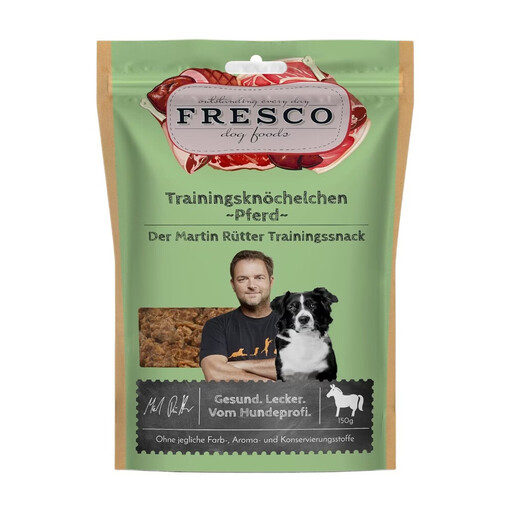
Why This Fits Their Persona: Ideal for owners whose dogs suffer from allergies or intolerances. The monoprotein recipe, using horse as a novel protein source, minimises the risk of allergic reactions and is excellent for elimination diets.
The ingredient list is extremely transparent with 92% horse meat, bypassing the trap of vague meat declarations. It contains no grain or sugar.
Hypoallergenic monoprotein formula. Very high crude protein content of 47% for active dogs.
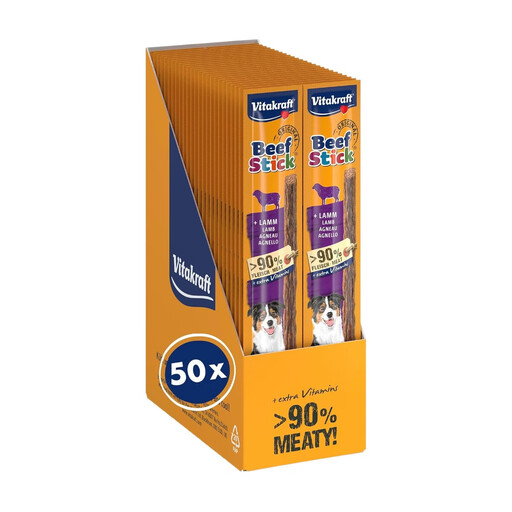
Why This Fits Their Persona: For dog owners who train daily and need a large supply of practical treats. The bulk pack offers great value for money without making major compromises on fundamental quality features.
Despite the budget-friendly price, the manufacturer states it is free from added sugar and artificial flavour enhancers. The meat content is declared as over 90%, which is remarkable for this price category.
Practical score lines for easy portioning. Individual packaging keeps the sticks fresh.
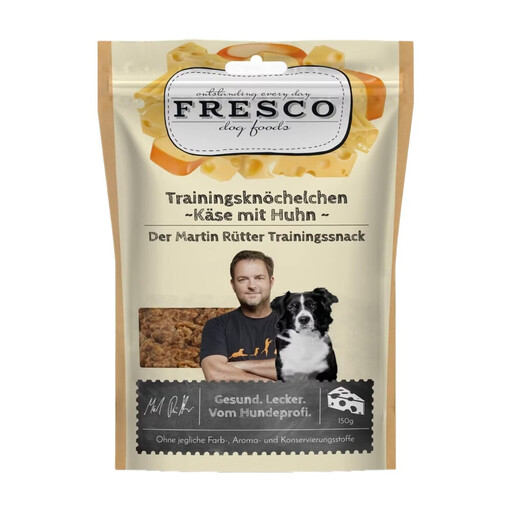
Why This Fits Their Persona: Perfect for dogs who turn their noses up at regular treats. The intense combination of 51% cheese and 41% poultry offers an exceptional flavour and high motivation, even for the pickiest of dogs.
Despite the special flavour, the recipe remains clean and transparent. According to the manufacturer, it's free from grain, soy, and artificial additives, keeping the focus on the high-quality main ingredients.
Very high acceptance due to the unique flavour combination. High protein (40%) and fat (30%) content provide plenty of energy.
We have compiled a complete, up-to-date list of products that fully meet these strict selection criteria.
The amount depends on your dog's size, age, activity level, and the calorie content of the treats. A rule of thumb is that snacks should not make up more than 10% of the total daily calorie intake. Reduce the main meal portion accordingly to avoid weight gain. The manufacturer's feeding recommendations on the packaging provide a good guideline.
For dogs with a diagnosed grain allergy or intolerance, grain-free treats are essential. For most other dogs, grain in small amounts is not inherently harmful. However, grain-free recipes are often of higher quality, as they use better carbohydrate sources or a higher meat content instead of cheap grain. They are therefore often a good and safe choice, especially for healthy dog treats.
Look for a short, clear ingredient list with a specific type of meat listed first. Avoid products with sugar, artificial additives, and non-specific terms like "animal by-products." The shape should be small and the texture soft so it doesn't interrupt the training session.