
Lieferung heute & morgen

Qualitätsgarantie

Willkommens-Angebote freischalten: KOSTENLOSE Lieferung | Bis zu 80 % RABATT | Kostenlose 30-Tage-JoyPlus-Testphase
App herunterladen
As a Joybuy Product Recommendation Officer, I see countless dog owners who want the best for their four-legged friends but get lost in the overwhelming number of options. Dog treats are more than just a small reward; they are a key part of training and the bond you share with your dog. But not all snacks are created equal. Many products use appealing packaging to hide ingredients that are unsuitable for a species-appropriate diet.
This guide will help you navigate the common pitfalls and make an informed decision that benefits your dog's health.
Before we dive into quality indicators, it's important to understand the most common marketing traps that can lead to poor purchasing decisions.
To find the right snacks, you should check three core parameters. These will help you objectively assess quality and match the product to your dog's needs.
The ingredient list is the most important tool for evaluating a product. Look for an "open" or transparent declaration, where all ingredients are precisely listed with their percentages.
Not every snack is suitable for every situation. The choice should depend on the purpose.
More and more dogs are sensitive to certain food components. Grain-free dog snacks are a necessity for pets with proven allergies or intolerances. For most other dogs, the issue isn't the grain itself, but rather its often low quality and high quantity in many products. A snack with a high proportion of meat-based dog snacks is fundamentally a more species-appropriate choice.
Here are some product recommendations tailored to the specific profiles of dog owners and their pets.
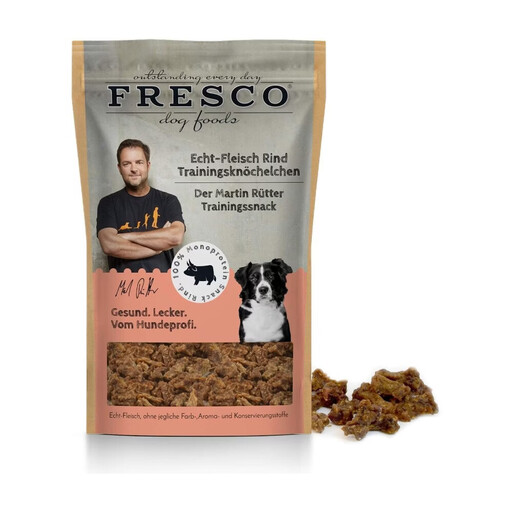
Why This Fits Their Persona: Ideal for dog owners who train frequently and are looking for a high-quality, motivating reward that doesn't strain their budget and promotes good health. The small bone shape is perfect for quick rewards.
The open declaration with 92% beef leaves no room for doubt. It contains no grain and no added sugar, thus avoiding the traps of cheap fillers and hidden sweeteners.
Very high meat content from a single protein source (beef monoprotein). Grain-free formula, made in Germany.
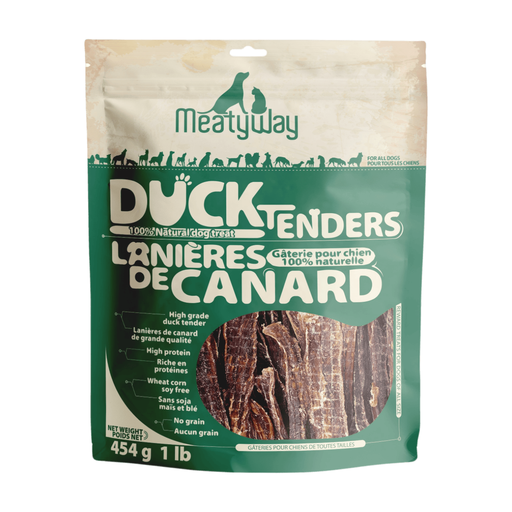
Why This Fits Their Persona: Perfect for owners of dogs with allergies, food intolerances, or sensitive digestion. The pure formula offers maximum safety and digestibility.
This product consists of just one ingredient: 100% duck breast. There are no hidden by-products, fillers, or sugar. The declaration is maximally transparent, leaving no room for misinterpretation.
Pure single-protein (duck), grain-free, and without any additives. This makes it highly digestible and ideal for elimination diets or as a hypoallergenic reward.
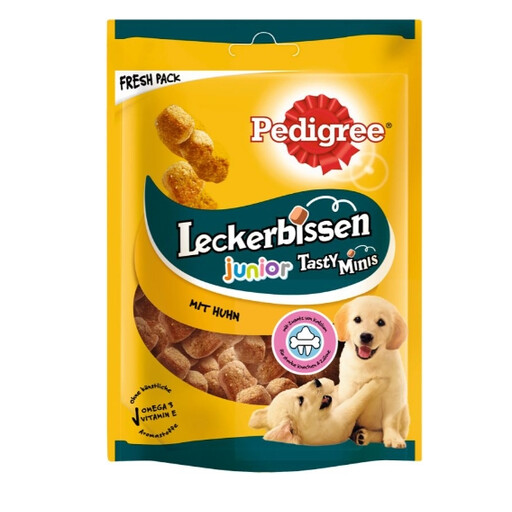
Why This Fits Their Persona: For new puppy owners looking for a readily available snack specifically tailored to the needs of young dogs for their first training successes.
Although this product contains grain, it is specifically designed for the growth phase. It avoids the trap of vague health claims by offering a clear, verifiable benefit: fortification with calcium for bone development.
Specially developed for puppies aged 4-18 months. Contains added calcium to support the development of teeth and bones. The soft texture is easy for young dogs to chew.
We've compiled a complete, up-to-date list of products that fully meet these strict selection criteria and German regulations.
1. How many dog treats are allowed per day? As a general guideline, treats should not make up more than 10% of a dog's daily calorie intake. The exact amount depends on the dog's size, age, activity level, and the calorie content of the snack. Reduce the main meal accordingly to prevent weight gain. The feeding recommendations on the packaging provide a good starting point.
2. How can I identify high-quality meat snacks for dogs? You can identify high-quality meat snacks by a clear and open declaration. The first item on the ingredient list should be a specific type of meat with a percentage (e.g., "80% beef" instead of "meat and animal by-products"). A short ingredient list without sugar, artificial additives, and large amounts of fillers is also a good sign.
3. Are grain-free dog snacks necessary for every dog? Not necessarily. Grain-free snacks are primarily important for dogs with a diagnosed grain allergy or intolerance. For healthy dogs without such sensitivities, the overall quality of the product is more crucial than the mere absence of grain. A snack with a high meat content and high-quality, processed grain can be better than a grain-free snack that is instead bulked up with other low-quality fillers like potato starch or pea flour.