
Lieferung heute & morgen

Qualitätsgarantie

Willkommens-Angebote freischalten: KOSTENLOSE Lieferung | Bis zu 80 % RABATT | Kostenlose 30-Tage-JoyPlus-Testphase
App herunterladen
As a dog owner, you want only the best for your loyal companion. A tasty dog treat is a wonderful reward for dogs, a motivator during training, or simply a sign of affection. However, the sheer selection available can be overwhelming. Packaging often boasts tempting images and promises that, upon closer inspection, don't always deliver.
This guide will help you navigate the most common pitfalls when buying dog snacks and make an informed decision. We focus on the objective facts so you can find exactly what suits your dog and your standards.
Common Pitfalls When Buying Dog Treats:
To avoid falling into these traps, you should check three key aspects before buying. These will help you objectively evaluate a product's quality and suitability.
The composition is the heart of any treat. Ingredients are listed in descending order by weight.
Not every snack is suitable for every purpose. Consider what you primarily want to use the treat for.
A quick check of the ingredient list can reveal unwanted components.
Based on the criteria mentioned, we have compiled a selection of products from our range for different requirement profiles.
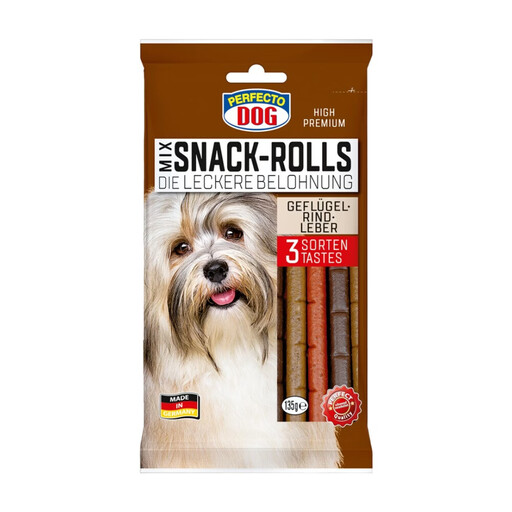
Why this product is a good fit: Ideal for owners looking for a stock of varied rewards. The bulk pack with 14 bags and three different flavours offers great value for money for daily use.
Although the declaration is closed ("meat and animal by-products"), it specifies the percentage of the named meat types (e.g., 7% beef in the beef rolls), which provides a basic orientation.
The bulk pack ensures a long-lasting supply, and the three varieties add diversity to the reward routine.
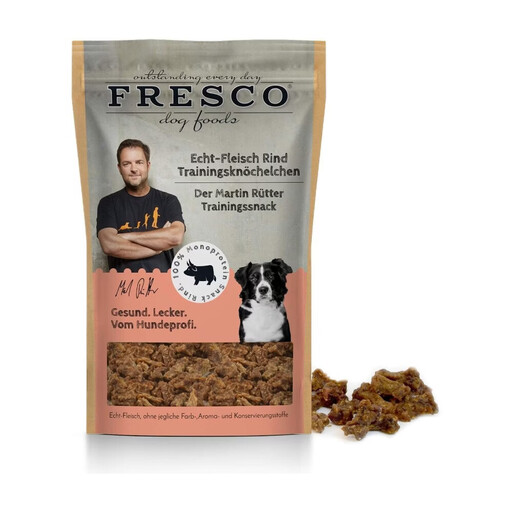
Why this product is a good fit: Perfect for owners who value a transparent and pure ingredient list. Suitable for dogs with dietary sensitivities or as a high-quality training reward.
This product avoids the trap of vague declarations with an extremely short and clear ingredient list. It is grain-free, sugar-free, and uses beef as the sole animal protein source (single-protein).
The high meat content of 92% beef and the absence of any fillers make it a particularly high-quality grain-free dog snack.
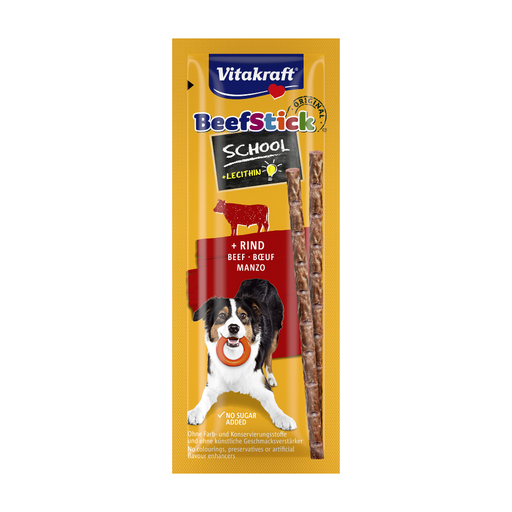
Why this product is a good fit: These extra-thin sticks are specifically designed as training treats. They are easy to portion and serve as a quick, motivating reward without holding up the dog for long.
The product is sugar-free and has a high meat content (93.6%). The addition of lecithin is a functional ingredient that, according to the manufacturer, is intended to support concentration rather than just providing empty calories.
The thin shape and high meat content make this Vitakraft Beef Stick a very attractive and practical reward during training.
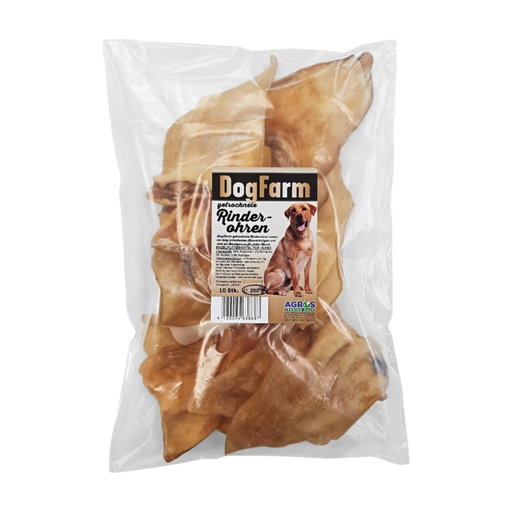
Why this product is a good fit: For dogs that love to chew for extended periods. This natural dog chew provides long-lasting occupation and satisfies the chewing instinct in a healthy way.
This product consists of only one ingredient: dried beef ears. There are no hidden fillers, no sugar, and no artificial additives. The declaration is maximally transparent.
The snack is low-fat, high in protein, and supports natural dental cleaning through the mechanical abrasion of chewing.
We have compiled a complete, up-to-date list of products that fully meet these strict selection criteria and German regulations.
As a rule of thumb, treats should not make up more than 10% of a dog's daily calorie intake. If you give a lot of treats, especially during training, it's important to reduce the amount of their main food accordingly to prevent weight gain. The feeding recommendations on the packaging provide a good guideline.
Not necessarily. Grain-free dog snacks are primarily important for dogs with a diagnosed grain intolerance or allergy. For most healthy dogs, grain in moderate amounts is not a problem. The overall quality of the ingredients is more crucial than simply avoiding grain. A snack with high-quality grain can be better than a grain-free snack that contains large amounts of low-quality fillers like potato starch.
The surest way is to look at the ingredient list. Watch out for terms that indicate sugar. Besides "sugar," these include glucose, dextrose, fructose, sucrose, caramel, molasses, or beet pulp. Products advertised as "no added sugar" are a good choice, but checking the ingredient list provides final confirmation.