
Lieferung heute & morgen

Qualitätsgarantie

Willkommens-Angebote freischalten: KOSTENLOSE Lieferung | Bis zu 80 % RABATT | Kostenlose 30-Tage-JoyPlus-Testphase
App herunterladen
As a dog owner, you want to give your four-legged friend only the best, especially when it comes to a small reward. But the market for dog treats is vast and overwhelming. Marketing claims often sound tempting, but not every product delivers on its promise. Before you make a decision, it's important to know the most common pitfalls that can lead to the wrong choice.
To avoid these pitfalls, you should focus on objective criteria that will help you make an informed decision for healthy dog snacks.
Choosing the right treats doesn't have to be complicated. Pay attention to the following three core parameters to separate the wheat from the chaff and find a suitable reward for your dog.
A high-quality declaration is paramount. A distinction is made between an open and a closed declaration:
Look for products with the most open declaration possible to know exactly what you are feeding your dog.
A short and understandable ingredient list is usually a good sign. Make sure that meat or fish is listed first. Avoid products where sugar, artificial colours, flavours, or preservatives are high on the list. Grain-free dog treats are an excellent choice, especially for dogs with dietary sensitivities. Natural dog treats are based on a few high-quality raw materials and do without unnecessary additives.
Important analytical constituents are:
Not every treat is suitable for every purpose. Consider what you want to use the snack for:
Based on the criteria mentioned, we have put together some products for different requirements and dog types.
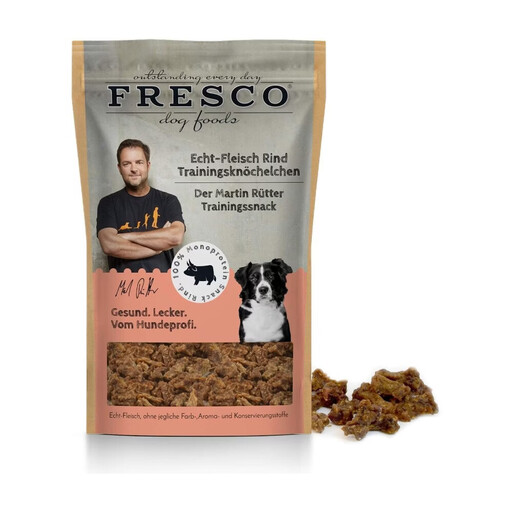
Why this product is a great fit: Ideal for dog sports enthusiasts and for daily training. The small, bite-sized pieces are consumed quickly, keeping the dog's focus on the exercise. The grain-free recipe is also suitable for sensitive dogs.
This product avoids the hidden fillers trap. It is grain-free and, according to the manufacturer, consists of 92% beef, which is a clear and high-quality protein source.
High meat content from a single protein source, which increases digestibility. The small shape is optimal for frequent rewards during training.
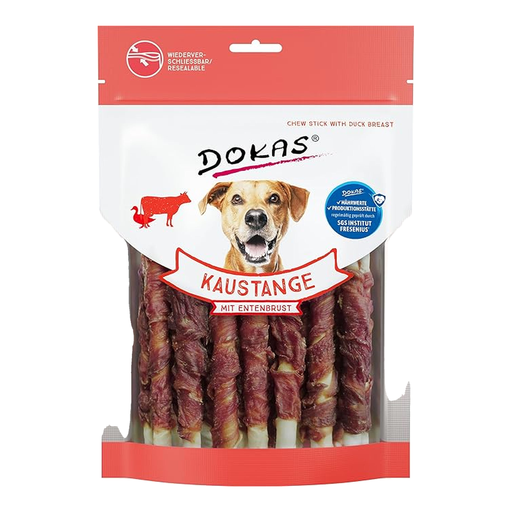
Why this product is a great fit: For dogs that need long-lasting engagement. The combination of tough rawhide and tasty duck breast provides sustained chewing fun and supports dental cleaning.
This product avoids the opaque ingredient list trap. The declaration is open and clearly names rawhide (54%) and duck breast fillet (41%) as the main components. No artificial additives are declared.
Very high crude protein content (83.4%) to support muscles. The tough consistency promotes mechanical teeth cleaning and satisfies the natural chewing instinct.
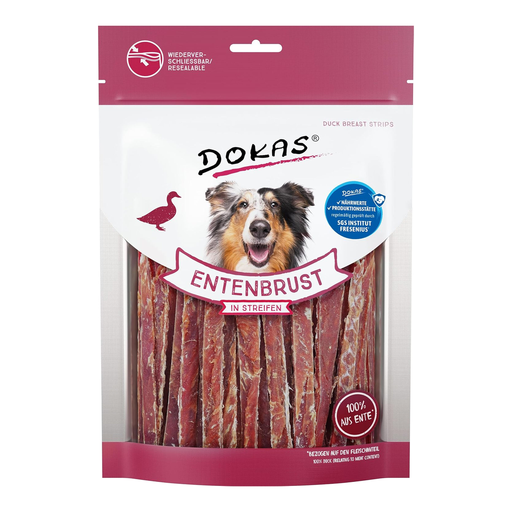
Why this product is a great fit: For dogs with allergies or intolerances, a simple, clean recipe is crucial. These strips consist almost exclusively of a single protein source and are free from common allergens.
This product avoids the misleading meat content trap. According to the manufacturer, it consists of 93% duck breast fillet. It is also free from grain, soy, and gluten, making it a safe choice for sensitive dogs.
A single-protein recipe that minimises the risk of allergic reactions. The snack is low in fat (2.77% fat content) and therefore also suitable for dogs that need to watch their weight.
We've compiled a complete, up-to-date list of products that fully meet these strict selection criteria and UK/EU regulations.
As a general guideline, treats should not make up more than 10% of a dog's daily calorie intake. The exact amount depends on your dog's size, age, activity level, and the calorie content of the snack. Always follow the feeding recommendation on the packaging and reduce the main meal accordingly to prevent weight gain.
Not necessarily. Grain-free dog treats are primarily the right choice for dogs with a diagnosed grain allergy or intolerance. For most dogs, high-quality grains in moderation are not a problem. More crucial than avoiding grain is a high content of quality animal proteins and the absence of sugar and artificial additives.
You can recognise high-quality dog chews by their simple and natural composition. Look for products made from 100% animal components (e.g., beef scalp, bull pizzle) or natural materials (e.g., coffee wood). They should be free from artificial preservatives, colours, and flavours. Also, make sure the size of the chew is appropriate for your dog's size and chewing strength to prevent choking.