
Lieferung heute & morgen

Qualitätsgarantie

Willkommens-Angebote freischalten: KOSTENLOSE Lieferung | Bis zu 80 % RABATT | Kostenlose 30-Tage-JoyPlus-Testphase
App herunterladen
As a Joybuy Product Recommendation Officer, I see daily how overwhelming the pet supply market can be. Especially when it comes to dog treats, owners stand in front of a vast aisle and wonder: What's actually good for my dog? Colourful packaging and tempting marketing claims don't make the decision any easier. But often, hidden behind the marketing are pitfalls that can lead to the wrong choice.
This guide will help you separate the wheat from the chaff. We focus on the facts, showing you how to correctly interpret ingredients and avoid common marketing traps to make an informed decision for your four-legged friend's health.
Before we dive into quality characteristics, it's important to know the typical pitfalls that often lead to poor purchasing decisions.
To find the right dog snacks, you shouldn't be guided by packaging, but by objective criteria. The following three points are crucial.
A high-quality ingredient list is the gold standard. Look for an open declaration, where all ingredients are listed individually with their percentages. A statement like "75% chicken meat" is far more transparent than the vague phrasing "Meat and animal by-products."
Many commercial treats contain grains like wheat or corn as cheap fillers. These can trigger allergies or digestive issues in sensitive dogs. Grain-free dog treats are therefore often the more digestible option.
Also, look for the absence of artificial colours, flavours, and preservatives. Natural dog snacks are based on a short ingredient list without chemical additives, offering a pure, authentic taste. For dogs with known intolerances, hypoallergenic dog treats, which often contain only a single protein source (monoprotein), are a safe alternative.
Not every treat is suitable for every situation. Consider what you primarily want to use the snack for:
Based on the criteria mentioned, we have put together a selection of products suitable for various requirements and dog types.
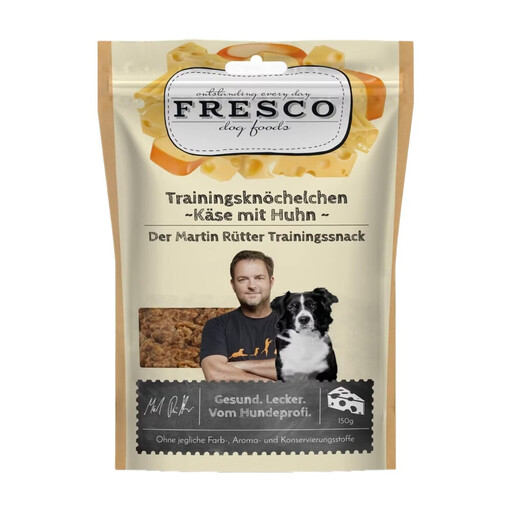
Why This Fits Their Persona: Ideal for dog owners looking for a high-quality, motivating training treat. The small bone shape and high protein content make it a perfect reward that won't fill them up too quickly.
This product avoids the filler trap. According to the manufacturer, it is free from corn, wheat, and soy. The ingredient list is short and transparent.
High Protein Content (40%): According to the declaration, it consists of 51% cheese and 41% poultry. Made in Germany.
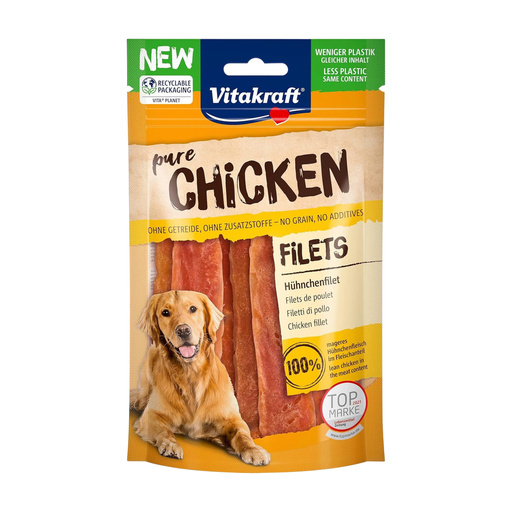
Why This Fits Their Persona: For owners who refuse to compromise on quality. This snack offers pure meat enjoyment and serves as a healthy reward.
It sidesteps the "high meat content" trap through maximum transparency. The declaration specifies a meat content of 95.1% chicken breast fillet—a clear and honest statement.
Clean Recipe: According to the manufacturer, it is free from sugar, grain, soy, and dairy products. Contains no preservatives or artificial flavour enhancers.
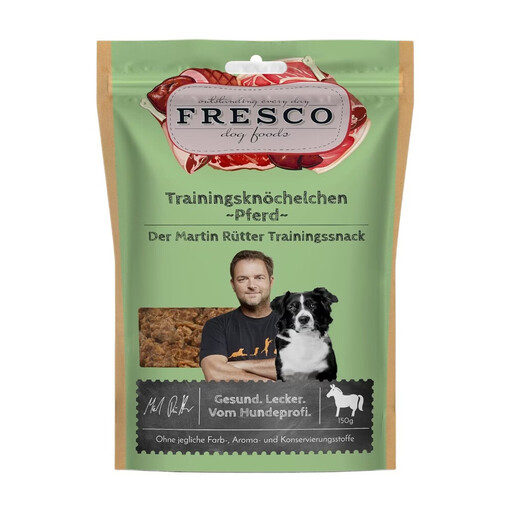
Why This Fits Their Persona: Perfect for dogs with food intolerances or allergies. The use of a single, novel protein source (horse) minimises the risk of allergic reactions.
This product is declared as hypoallergenic and grain-free. It deliberately avoids common allergens like chicken, beef, or grain, relying on an extremely limited ingredient list.
Single-Protein Formula: According to the manufacturer, it contains 92% horse meat as the sole animal protein source. This makes it a suitable choice for elimination diets and sensitive dogs.
We have compiled a complete, up-to-date list of products that fully meet these strict selection criteria and all relevant regulations.
A common rule of thumb is that treats should not make up more than 10% of a dog's daily caloric intake. The exact amount depends on your dog's size, age, activity level, and the calorie content of the snack. The feeding recommendations on the packaging provide a good guideline. Adjust the amount of their main food accordingly to prevent weight gain.
For many dogs, yes. Grain is a common trigger for allergies and intolerances. Grain-free dog treats are often easier to digest and better suited for dogs with sensitive stomachs. However, if your dog has no issues with grains, snacks with high-quality grains like oats or rice are fine in moderation. Wheat, corn, and soy should generally be avoided due to their higher allergenic potential.
A high-quality snack is characterised by a short, understandable, and open ingredient list. Look for the following features: