
Lieferung heute & morgen

Qualitätsgarantie

Willkommens-Angebote freischalten: KOSTENLOSE Lieferung | Bis zu 80 % RABATT | Kostenlose 30-Tage-JoyPlus-Testphase
App herunterladen
The world of dolls is vast and can quickly become overwhelming. From classic baby dolls and detailed fashion dolls to collectible figures with a surprise twist, finding the right model is often harder than you might think. Many products overpromise and underdeliver, leading to disappointment in the playroom. As your Joybuy Product Recommendation Officer, I'm here to help you spot common purchasing traps and make an informed decision.
The most common problems when buying a doll aren't always obvious at first glance. Pay close attention to these three points to avoid a bad purchase:
To find a doll that brings long-lasting joy, you should check two key criteria: the material and the play concept.
A high-quality doll is distinguished by its robust and safe materials. Look for the following features:
The play concept determines how versatile and engaging a doll will be over the long term.
Here are a few recommendations tailored to different needs and age groups.
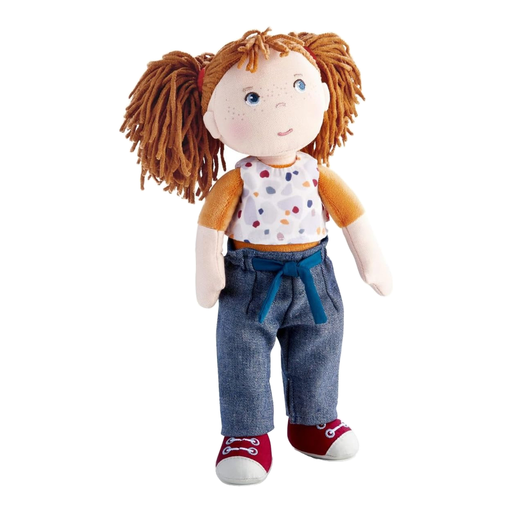
Why This Fits Their Persona: Ideal for toddlers aged 18 months and up who are looking for a soft, straightforward doll for cuddling and their first role-playing games. The simple design isn't overwhelming and encourages imagination.
It deliberately avoids short-lived gimmicks, focusing instead on durable materials and a timeless play concept. The high-quality craftsmanship prevents defects like hair falling out or loose seams.
The soft fabric body is perfect for cuddling. The doll is machine washable at 30°C, making it easy to keep clean.
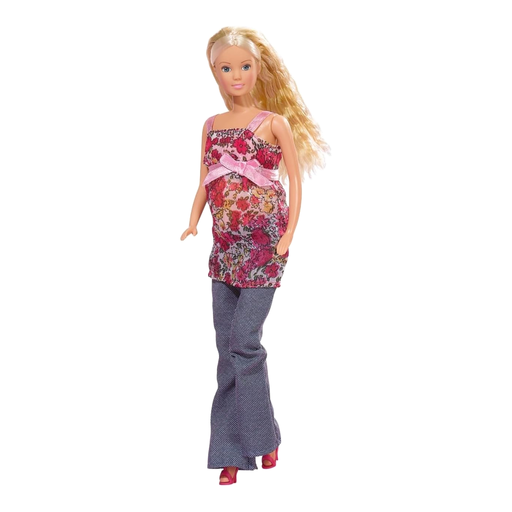
Why This Fits Their Persona: Perfect for children aged 3 and up who want to combine classic fashion doll play with themes of family and nurturing. The doll offers an interactive experience that goes beyond simply dressing it up.
The removable baby feature is a core part of the play concept, not a short-lived gimmick. It encourages long-lasting, nurturing role-play and won't become uninteresting after a single use.
Combines the play of a fashion doll with a baby doll. The included accessories allow for immediate fun right out of the box.
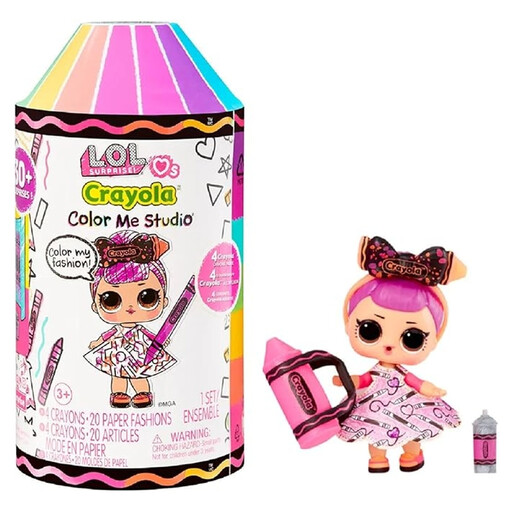
Why This Fits Their Persona: For kids who love the surprise element of L.O.L. Surprise but also want to get creative. This set combines collecting with an active crafting component.
The play value extends far beyond the unboxing. Designing 20 different paper outfits with the Crayola markers provides hours of repeatable, creative engagement, sidestepping the one-time-gimmick trap.
Combines collecting, unboxing, and creative design. The packaging doubles as a portable art studio for storage.
We've compiled a complete, up-to-date list of products that fully meet these strict selection criteria and rigorous safety standards.
1. What's the best way to clean doll hair? For most synthetic doll hair, a gentle cleaning is best. First, gently comb the hair with a wide-tooth comb to detangle any knots. Then, you can wash the hair with lukewarm water and a small amount of mild shampoo or fabric softener. Rinse the hair thoroughly, pat it dry with a towel, and let it air dry. Avoid heat from hair dryers, as this can damage synthetic hair.
2. From what age are fashion dolls like Barbie suitable? Most manufacturers, like Mattel for Barbie, recommend an age of 3 and up. This is mainly due to small accessories like shoes, jewellery, or handbags, which can pose a choking hazard for younger children. For children aged three and older, these dolls are well-suited for developing fine motor skills through dressing and undressing, and for inventing creative stories.
3. What does the CE mark on toys mean? The CE mark is a self-declaration by the manufacturer that their product complies with all relevant European directives. For toys, this specifically means adherence to the EU Toy Safety Directive (2009/48/EC). This directive regulates, among other things, mechanical and physical safety, flammability, and limits for chemical substances. It is not a quality seal, but it is a fundamental requirement for selling toys in the EU.