
Lieferung heute & morgen

Qualitätsgarantie

Willkommens-Angebote freischalten: KOSTENLOSE Lieferung | Bis zu 80 % RABATT | Kostenlose 30-Tage-JoyPlus-Testphase
App herunterladen
The search for the right doll or accessory can quickly become overwhelming. The selection is vast, and marketing promises make it difficult to judge a product's actual play value. As a Joybuy Product Recommendation Officer, I'm here to help you recognise common purchasing pitfalls and make an informed decision that ensures lasting enjoyment in the playroom.
This guide focuses on objective criteria to help you distinguish quality from marketing hype.
Before we dive into the selection criteria, it's important to know the most common problems that often only become apparent after the purchase, leading to disappointment.
To avoid these pitfalls, you should check three key aspects. These will help you objectively assess the quality and long-term value of a product.
The child's safety is the top priority. Look for the CE mark, which confirms compliance with EU safety standards for toys. For the very young (0-3 years), dolls made from soft, certified non-toxic fabrics (e.g., a Sterntaler play doll) are ideal. For dolls made of hard plastic, as often found with the BABY born doll or Steffi Love doll, the quality of the plastic is crucial. High-quality vinyl or plastic is robust and free of harmful plasticisers.
The doll's size should match the child's height and motor skills.
A crucial factor for long-lasting fun is the ability to expand the doll's world. Brands like BABY born offer an extensive ecosystem of clothing, furniture, vehicles, and themed sets. This ensures that the doll remains a relevant play companion for years and can be supplemented as a gift for girls and boys on various occasions.
Based on the criteria above, we have selected a few products that are suitable for different play preferences and age groups.
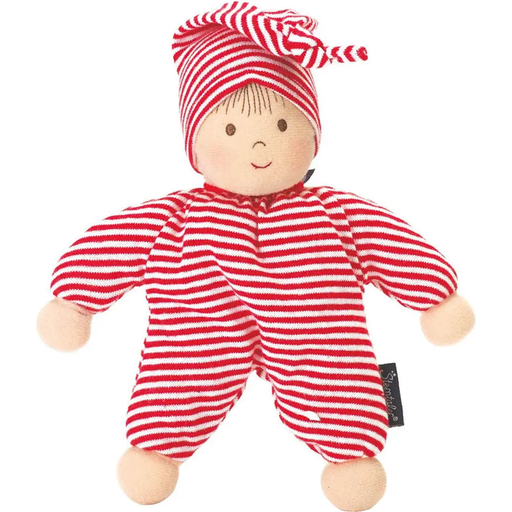
Why it's a great fit: Ideal as a first doll. The soft body, embroidered face with no small parts that could be swallowed, and integrated rattle are perfectly tailored to the needs of babies and toddlers.
Avoids the trap of overloaded features. It focuses on haptic and acoustic stimuli that are relevant for early childhood development.
Made from soft jersey fabric, easy to grip. Awarded the "spiel gut" seal, an independent mark for educationally valuable toys.
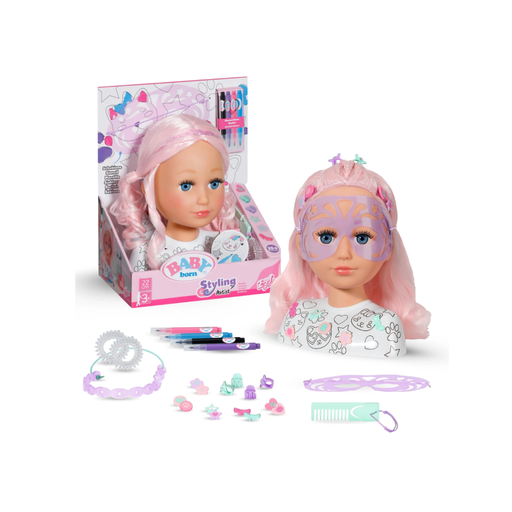
Why it's a great fit: Perfect for children who enjoy hairstyling, make-up, and fashion. It offers a focused play opportunity that specifically promotes fine motor skills and creativity.
Sidesteps the trap of short-lived materials. According to the manufacturer, the hair is made of high-quality nylon, specially designed for easy combing and styling without tangling quickly.
Includes an extensive accessory set with over 20 pieces, including make-up pens, a stencil, and hair accessories. The face can be painted, which expands the creative scope of play.
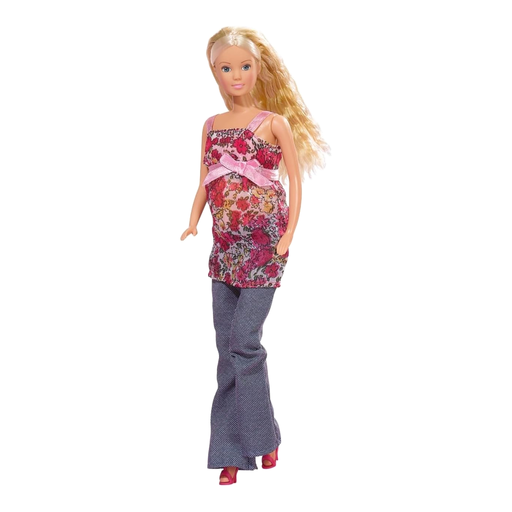
Why it's a great fit: This doll enables a specific role-playing scenario centred around pregnancy and caring for a newborn. It promotes empathy and an understanding of family dynamics.
Avoids the compatibility trap as the play concept is self-contained. The central function (baby in the belly) is purely mechanical, making it robust and not prone to malfunction.
Interactive play thanks to the removable baby bump. The set already includes accessories for baby care, so the fun can begin immediately.
We have compiled a complete, up-to-date list of products that fully meet these strict selection criteria and German safety regulations.
1. From what age does a baby doll with functions make sense? A baby doll with simple, mechanical functions like sleeping eyes or the ability to be given a bottle is generally appropriate from around 2 to 3 years old. At this age, children begin to develop more complex role-playing games. Electronic functions are often only interesting for children aged 4 and up, with robustness and ease of use remaining crucial.
2. How can I identify safe and non-toxic doll accessories? In addition to the CE mark, look for recognised certification marks such as the GS mark ("Geprüfte Sicherheit" or "Tested Safety") or the "spiel gut" seal. For textiles, the Oeko-Tex Standard 100 label provides information about testing for harmful substances. As a general rule: if a product has a strong chemical smell, it's best to be cautious.
3. How do I properly care for dolls and doll clothes to make them last? Soft-bodied dolls and doll clothes can often be machine-washed on a gentle cycle at 30°C. Using a laundry bag protects small parts and delicate fabrics. Hard plastic dolls can be cleaned with a damp cloth and mild soap. Doll hair should be gently combed from the tips to the roots to prevent matting. Always follow the manufacturer's care instructions on the label or packaging.