
Lieferung heute & morgen

Qualitätsgarantie

Willkommens-Angebote freischalten: KOSTENLOSE Lieferung | Bis zu 80 % RABATT | Kostenlose 30-Tage-JoyPlus-Testphase
App herunterladen
The world of dolls is vast and can quickly become overwhelming. From classic baby dolls to intricately detailed fashion dolls, finding the right model that will bring long-lasting joy isn't always simple. Many buyers face issues like hair that tangles easily or unexpected hidden costs for accessories. This guide will help you identify the key features to look for and make an informed choice.
Before choosing a model, it's helpful to be aware of three common problems that can diminish the fun:
To avoid a disappointing purchase, you should check three core aspects. These will help you objectively assess a doll's quality and suitability.
The composition of the materials is crucial for the doll's feel, durability, and safety. Soft-body dolls, often made from cotton or polyester, are particularly well-suited for younger dolls for kids (from around 1.5 years) due to their cuddly nature. They are often washable, which makes them easy to keep clean.
Plastic dolls, like many Barbie dolls or a Disney Princess doll, offer more robust joints for active play and are easy to clean. Pay attention to the following points:
The complexity of the doll and its accessories should match the child's age and motor skills.
Consider whether you want a standalone doll or an expandable system. Brands like Barbie or Sylvanian Families offer entire play worlds that can be expanded over time. This can increase the long-term play value but should be factored into the purchase decision regarding potential follow-up costs. A doll that comes with a thematically matched set often provides a great starting point, without the feeling that something is missing.
Here are a few recommendations tailored to different play styles and age groups.
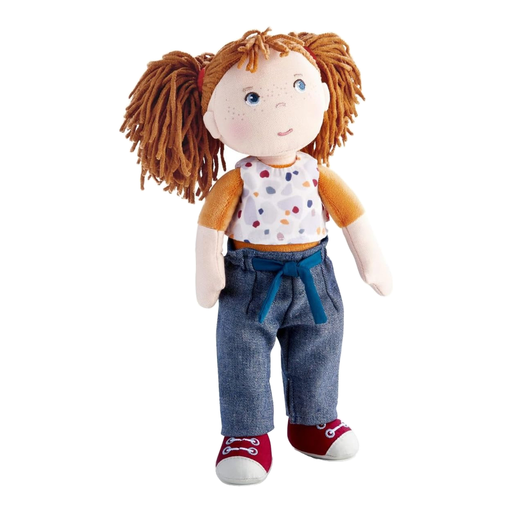
Why it's a great fit: This doll is specially designed for toddlers. Its soft body is perfect for cuddling, and the embroidered face and lack of small parts ensure safety. It's ideal for a child's first nurturing role-play.
The doll is precisely tailored to the needs of toddlers, avoiding the risk of being overwhelming with an unsuitable design. Its high-quality materials and sturdy construction prevent premature wear and tear.
Machine washable at 30°C for easy cleaning. The clothes can be removed, which helps develop fine motor skills.
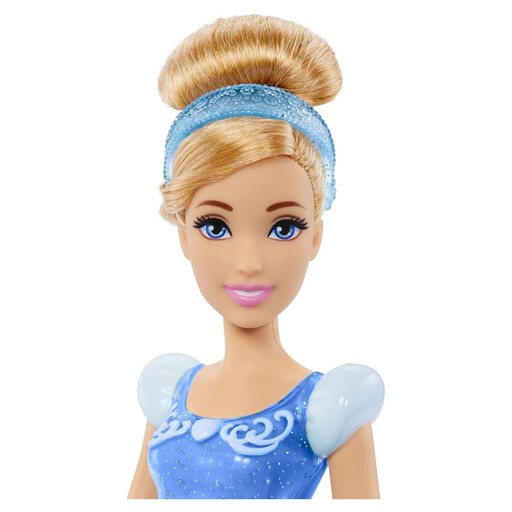
Why it's a great fit: As a well-known character, Cinderella sparks the imagination and invites children to re-enact fairy tale scenes. The doll is designed for kids aged 3 and up, offering an immediate entry into play with her iconic dress and removable shoes.
The focus is on the character and re-enacting the story, not on an endless collection of accessories. The design is straightforward and easy for the recommended age group to handle.
The doll is posable and has combable hair, allowing for creative styling. The outfit is inspired by the film and is highly recognisable.
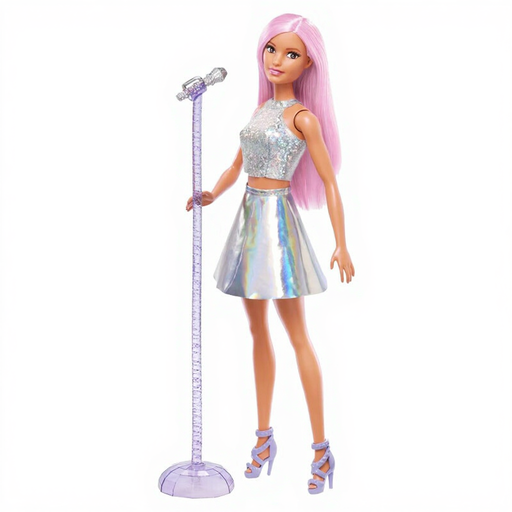
Why it's a great fit: This Barbie appeals to children interested in music and stage performances. With her sparkling outfit, microphone, and stand, she offers a complete themed set for imaginative career-focused role-play.
The set includes the most important accessories right out of the box, avoiding the feeling that something is missing to start playing. It offers a clear play concept that doesn't require immediate expansions.
The themed set encourages creative stories and role-playing. The long, pink hair is great for styling and can be integrated into the performance.
We've compiled a complete, up-to-date list of products that fully meet these strict selection criteria and German safety regulations.
The ideal age depends on the type of doll. Soft-body dolls without small parts are suitable for children as young as 1.5 years old. From age 3, dolls with simple functions and accessories become interesting, encouraging early role-play. More complex fashion dolls with lots of accessories are generally a good fit for children aged 5 or 6 and up, as their fine motor skills and understanding of play are more developed.
The cleaning method depends on the material. Fabric or soft-body dolls are often machine washable (check the care label, usually on a gentle cycle at 30°C). Plastic dolls should be wiped down with a damp cloth and mild soap. The hair can be gently combed with a little water and a small brush to detangle it. Electronic components must not come into contact with water.
The CE marking is a declaration by the manufacturer that the product meets the applicable requirements of the European Union. For toys, this primarily relates to the EN 71 safety standard, which regulates mechanical properties, flammability, and the migration of certain chemical elements, among other things. It is not a quality seal, but it is a fundamental prerequisite for selling toys in the EU and an important indicator of compliance with safety standards.