
Lieferung heute & morgen

Qualitätsgarantie

Willkommens-Angebote freischalten: KOSTENLOSE Lieferung | Bis zu 80 % RABATT | Kostenlose 30-Tage-JoyPlus-Testphase
App herunterladen
The choice of dolls for children ranges from soft cloth dolls and baby dolls to Barbie dolls, mermaid dolls, Disney Princess dolls and character figures. With so much variety, choosing the right one isn’t always easy. Eye-catching packaging, lots of accessories or electronic features can often lead to a purchase that doesn’t suit your child’s age or play habits.
A doll may look appealing to younger children, even if it comes with small shoes, hair accessories, batteries or miniature parts. Dolls for ages 3+ aren’t automatically suitable for a child who still often puts objects in their mouth. For children aged 18 months and over, soft, easy-to-grip dolls with securely sewn or embroidered details are usually a simpler choice.
Many doll sets come with lots of separate pieces. This can add variety, but it also means more to sort and more chance of important parts getting lost. So check whether the doll is still fun to play with on its own. For fashion dolls, L.O.L. Surprise dolls and Barbie dolls, it’s also worth checking whether extra outfits or sets need to be bought separately.
Light-up mermaid dolls and dolls that make sounds need batteries. Before you buy, check the battery type, what’s included and any instructions about contact with water. For example, the BABY Born Mermaid 43cm Doll requires three LR03-AAA batteries, which the product information states are not included. The battery compartment must not be submerged during water play.
The manufacturer’s age recommendation is an important safety consideration. Look out for warnings such as ‘Not suitable for children under 36 months’ or ‘Small parts – choking hazard’. Younger children should be supervised when playing with dolls that have long hair, batteries or removable accessories.
Softer dolls may be suitable for children aged 18 months and over. According to its product description, the HABA Malou doll is designed for children aged 18 months to 5 years. The Simba Laura Little Star is listed by the retailer as suitable from 12 months. Even so, check the packaging and safety information, and consider your child’s individual stage of development.
Cloth dolls made from cotton or polyester are often comfortable to hold and, depending on the model, can be cleaned. The HABA Malou doll is listed as machine washable at 30 °C. That’s more practical for family life than a doll that can only be cleaned with a dry cloth.
For plastic dolls, check the material information, make sure the joints are sturdy and see that the accessories fit securely. Size also affects how easy a doll is to handle: a 20 cm doll is easier for small children to carry, while a 43 cm baby doll is better suited to longer role-play sessions.
Think about the kind of play your child enjoys most:
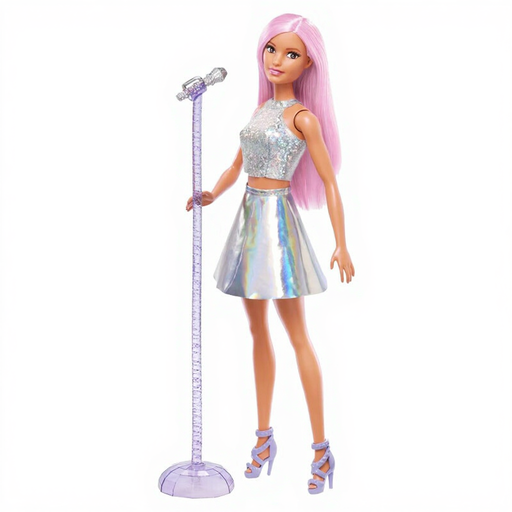
Why this product is a good fit: Classic Barbie play with a microphone and stand, no batteries required, and suitable for children aged 3 and over.
No battery costs and a clearly stated list of what’s included help avoid ongoing expenses and surprises when you open the box.
A microphone and stand are included; according to the product information, no batteries are needed.
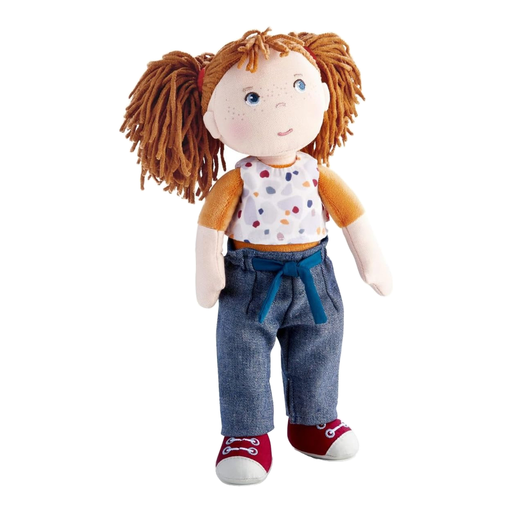
Why this product is a good fit: This soft doll is designed for children aged 18 months to 5 years, combining dressing up, role play and cuddles.
The age recommendation, soft design and washability are clearly stated, so your choice doesn’t rely solely on decorative extras.
The product information lists its cotton and polyester content, as well as care instructions for washing at 30 °C.
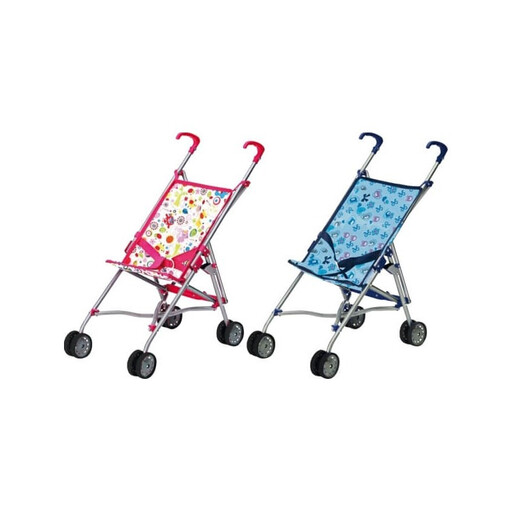
Why this product is a good fit: This foldable doll’s buggy complements the dolls your child already has and is great for role play indoors and out.
The folding metal frame makes it easy to store, so this extra piece of play furniture won’t take up too much space permanently.
The handle height (about 58 cm), weight (around 900 g) and folding feature are all specified; recommended for ages 3 and over.

Why this product is a good fit: With long hair, a colourful tail and a movement-activated light effect, this mermaid doll is made for children aged 3 and over.
Check the battery requirement, age recommendation and water-play restriction carefully – these aren’t always obvious from the packaging alone.
The product features include a height of 43 cm, long hair and an LED light effect.
We’ve put together a complete, regularly updated list of products that meet these strict selection criteria and the safety regulations in force across the EU.
Softer dolls with a manageable number of accessories are usually easier for children aged 18 months and over to handle. Check the age recommendation, look for embroidered facial features and avoid loose small parts. Always follow the specific manufacturer’s guidance on the packaging and product page.
A doll’s lifespan depends on its material, how it’s cared for and how often it’s played with. Washable cloth dolls can be practical if they need regular cleaning. Check plastic dolls’ joints, hair and small accessories regularly for damage. Keeping the doll dry and storing its accessories together can help it last longer.
Start by checking the child’s age, interests and any accessories they already have. Barbie, Disney Princess dolls or a Miraculous Ladybug doll may be a good choice for fans of familiar characters. For younger children, material, ease of gripping and the risk posed by small parts matter more than brand recognition.