
Lieferung heute & morgen

Qualitätsgarantie

Willkommens-Angebote freischalten: KOSTENLOSE Lieferung | Bis zu 80 % RABATT | Kostenlose 30-Tage-JoyPlus-Testphase
App herunterladen
By Joybuy Product Recommendation Officer, July 14, 2026
Securing your home is a fundamental need. Many people look for a straightforward and effective way to monitor doors and windows without investing in an expensive, professionally installed alarm system. A door and window sensor offers an accessible and modularly expandable solution. These compact devices notify you immediately when an entry point is opened, making a significant contribution to burglary protection for windows and doors.
This article serves as a guide. It outlines objective criteria for making a selection and presents a range of devices and accessories relevant for building a modern smart home security system.
The decision for a suitable sensor depends on several technical factors. The following points will help you make an informed choice.
A contact sensor rarely works alone. It is typically part of an ecosystem managed by a central control unit, often called a hub or HomeBase. Before purchasing, it is crucial to check if the sensor is compatible with your existing or planned system. Brands like eufy Security or Tapo offer modular systems where sensors, cameras, and sirens can communicate with each other. This connectivity allows you to build a comprehensive wireless alarm system step by step.
A sensor's primary function is to send notifications. The type of notification is a key differentiator. Basic models send a window sensor app notification to your smartphone. More advanced configurations allow for the automation of actions. For example, opening a window can not only trigger a message but also turn on lights or activate an audible alarm. A door sensor with an alarm function often requires an additional component, like a separate siren, to create a deterrent effect.
Most modern door and window sensors are designed for DIY installation. They are typically attached to door or window frames with double-sided adhesive tape, allowing for a drill-free setup. As these are wireless devices, battery life is an important consideration. Models with a battery life of one year or more significantly reduce maintenance. Pay attention to the manufacturer's specifications regarding battery life and type.
Based on the criteria mentioned, we have compiled a selection of products that cover various requirements for a smart home security system.
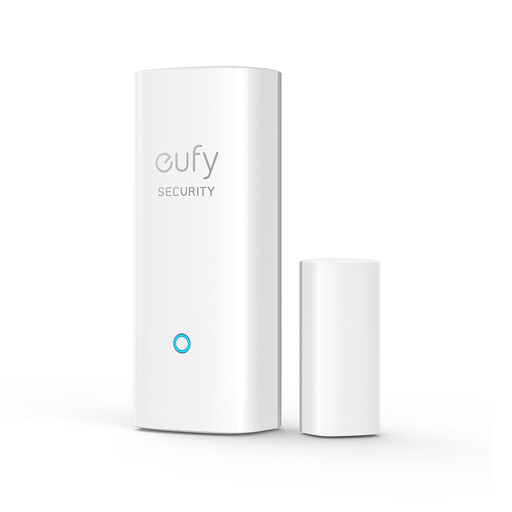
Why It Stands Out: This sensor is a core component of the eufy Security ecosystem. It is specifically designed for seamless integration with a eufy HomeBase, enabling smart control and coordination with other security devices from the brand.
Pros:
Who It's For: This model is ideal for users who already own or plan to build a eufy Security system. It is suitable for those looking for a reliable, low-maintenance solution to monitor doors and windows and who value the integration of various security components.
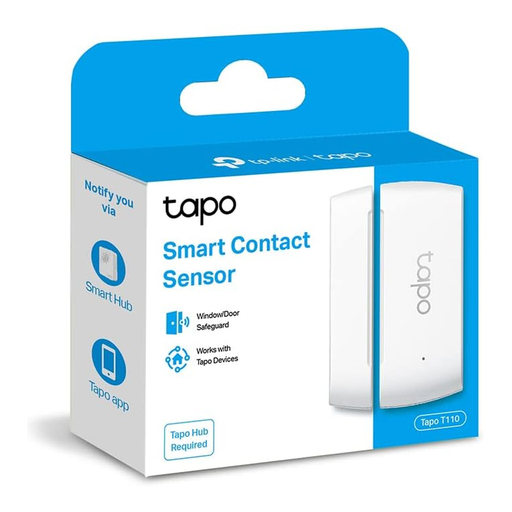
Why It Stands Out: The Tapo T110 is distinguished by its compact design and its integration into the broad Tapo smart home ecosystem. It requires a Tapo Hub and can then automate actions with other Tapo devices like lights or cameras.
Pros:
Who It's For: The Tapo T110 is a great choice for users who already use devices from TP-Link's Tapo ecosystem or want to build a cost-effective system for home automation and security. Its strength lies in its ability to link security alerts with smart home convenience features.
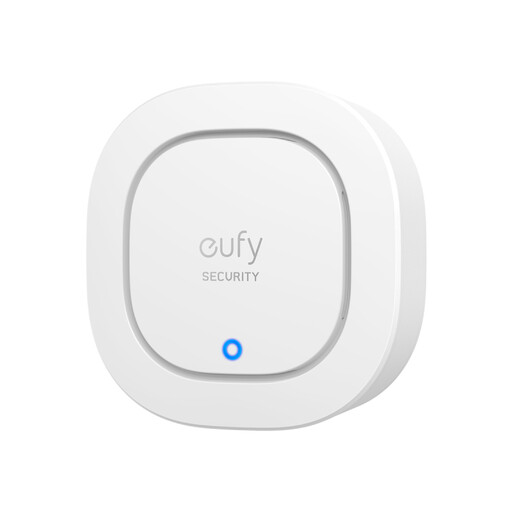
Why It Stands Out: This product is not a sensor, but an essential accessory to turn your sensors into a fully-fledged home alarm system. The siren is triggered by a door and window sensor or a camera and produces a loud alarm sound to act as a deterrent.
Pros:
Who It's For: The siren is an indispensable eufy Security accessory for anyone who wants active deterrence beyond simple notifications. It is intended for users of the eufy system who want to enhance the protection of their property with an audible alarm.
A comprehensive smart home security system consists of several coordinated components. If you are looking for additions like special batteries for your devices or other accessories, you can find a wider selection of products in our category.
Discover More Security Accessories
How does a door and window sensor work? A contact sensor typically consists of two parts: a magnet and a main sensor. One part is mounted on the door or window frame, and the other on the moving part (the door or window itself). As long as the two parts are close to each other, the magnetic circuit is closed. When the door or window is opened, the distance breaks the contact, and the sensor sends a signal to the base station, which then triggers a notification or an alarm.
Do all door and window sensors require a base station? Most smart door and window sensors, especially those integrated into a larger ecosystem, require a central control unit (hub, bridge, or HomeBase). This base station connects to your Wi-Fi router, manages communication between devices, and enables control via an app. While standalone models exist, systems with a hub are generally more functional for automations and centralized management.
Can I install a window sensor myself? Yes, the installation of modern wireless alarm system components is designed to be simple. Most sensors come with high-quality double-sided adhesive tape and can be attached in minutes without any tools or technical expertise. The setup process in the corresponding app is also explained step-by-step and is user-friendly for beginners.