
Lieferung heute & morgen

Qualitätsgarantie

Willkommens-Angebote freischalten: KOSTENLOSE Lieferung | Bis zu 80 % RABATT | Kostenlose 30-Tage-JoyPlus-Testphase
App herunterladen
A dosing dispenser is designed to dispense liquids cleanly, accurately and with as little waste as possible. In practice, however, many products are not suited to their intended contents or daily use. This applies to private households as well as catering businesses, offices and pool owners.
A flexible squeeze bottle is often suitable for ketchup, mustard, oil or dressing. For runny soap, however, a pump or spray mechanism is more practical. A sauce dispenser with a narrow opening can become blocked by thick dips, while a spray dispenser is unsuitable for viscous products.
Before buying, you should therefore establish whether the dispenser is intended for a runny, viscous or granular substance. Honey, mayonnaise and certain salad dressings also require a sufficiently wide opening.
Although a large container reduces the number of refills, it can become awkward to handle when used every day. For a private bathroom basin, 250 to 450 ml is often sufficient. In a busy kitchen or office, a capacity of 500 to 1,000 ml may be more suitable.
For food, storage time is another consideration. A refillable dispenser should be cleaned regularly to prevent residue from building up in the outlet or around the thread.
A narrow neck makes it harder to rinse the container thoroughly. Pump heads with difficult-to-access internal areas can cause similar problems. Look for a wide filling neck, a removable closure and as few individual parts as possible.
For contact with food, the manufacturer's information on material suitability is decisive. Soap, disinfectant and pool chemicals each have their own usage instructions. Chemicals must not be put into a dispenser that is not designed for them.
The right dispensing mechanism depends on how the product will be used:
A dosing pump should fit securely onto the bottle thread. Some models include different tube lengths for several bottle sizes. This can make them easier to use at home or in a fitness environment.
For the kitchen, food-safe materials and a securely closing lid are important. Flexible plastic bottles are easy to squeeze, while ceramic dispensers are generally intended to remain in a fixed position by the washbasin.
You should also check:
An oil dispenser should allow controlled pouring. It should not be placed next to the cooker if its material or construction is not designed to withstand heat.
A refillable dispenser creates less packaging waste than multiple individual containers, but it must be maintained hygienically. Before refilling, any old residue should be removed and the container dried completely. For food, keeping dispensers clearly separated according to their contents is advisable; switching from oil to vinegar or from ketchup to mayonnaise can affect the taste and consistency.
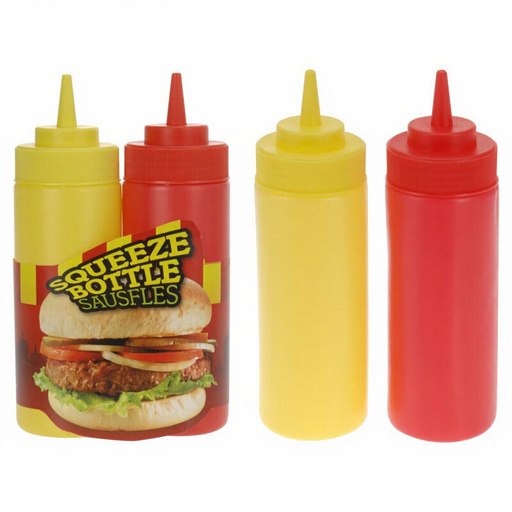
Why this product suits this profile: Two 400 ml bottles in red and yellow make it easier to identify ketchup, mustard or other table sauces at home and in smaller catering businesses.
The wide neck makes refilling and cleaning easier. The screw closure separates the container from the outlet and simplifies handling.
Two 400 ml bottles made from flexible food-safe material, each with a specially shaped outlet.
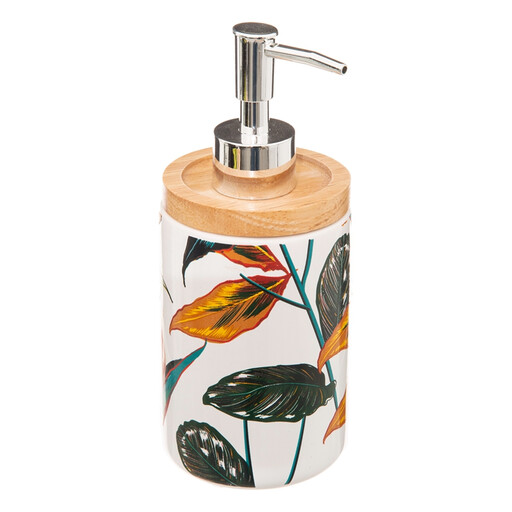
Why this product suits this profile: The ceramic container is designed to stay in a fixed position by the washbasin, making it suitable for private bathrooms, guest toilets or high-end washroom areas.
The material is clearly specified as ceramic. Because it may break, the dispenser should be placed securely and taken out of use immediately if cracks appear.
Ceramic construction and a stationary design. The manufacturer specifically advises careful handling.
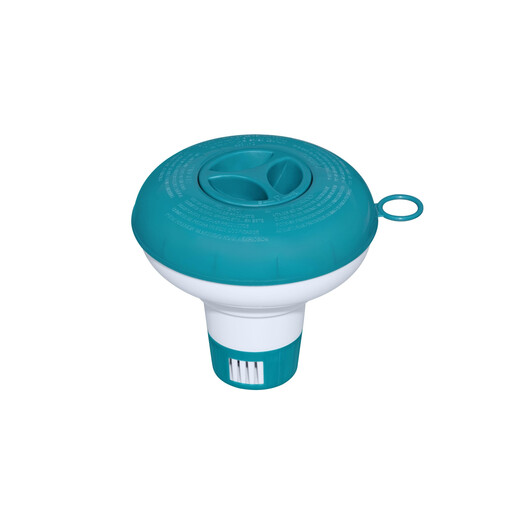
Why this product suits this profile: Pool owners get a floating dispenser with an adjustable opening for bromine or chlorine tablets. The tablets are not included.
The dispensing opening can be adjusted. The dispenser may only be used with compatible tablets; wear gloves when filling it and follow the chemical manufacturer's safety information.
Floating design, adjustable chemical outlet and suitability for bromine or chlorine tablets in accordance with the product information.
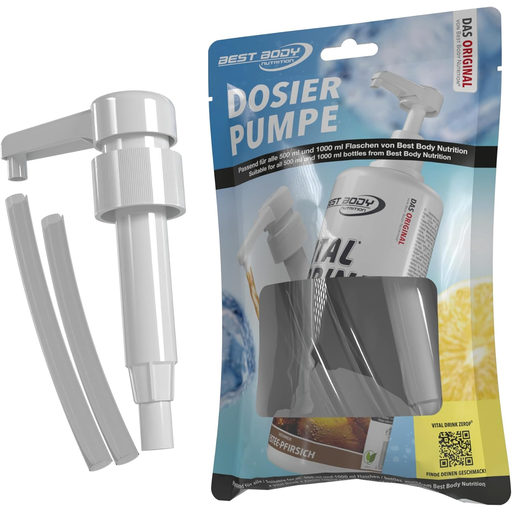
Why this product suits this profile: The dosing pump is designed for 500 ml and 1,000 ml bottles, making it suitable for frequent use at home or in a fitness environment.
Two tubes make it easier to adapt the pump to different bottle sizes. For continuous use, the manufacturer recommends cleaning it at least every two to three days.
Compatible with 500 ml and 1,000 ml bottles and supplied with two tubes.
For a single table sauce, a Kikkoman soy sauce dispenser with a 150 ml capacity may be suitable. The product information lists water, soybeans, wheat and salt as ingredients in the soy sauce; after opening, cool storage or refrigeration is recommended in accordance with the labelling.
A spray dispenser with a 250 ml capacity is suitable for runny, refillable products, provided the manufacturer has approved them for use in spray bottles. For hand soap, hand sanitiser or suitable cleaning solutions, a 450 ml spray dispenser with a fill-level indicator and wall or tabletop mounting may be worth considering.
We have put together a complete, regularly updated list of products that fully meet these strict selection criteria and the safety regulations applicable in the EU.
Empty the container completely, dismantle any removable parts and rinse them with a suitable cleaning product. All components should then be rinsed thoroughly with clean water and dried completely. For food, it is advisable to clean the dispenser thoroughly before changing its contents.
Its service life depends on the material, frequency of use, cleaning interval and contents. Pump heads can become stiff due to residue, while ceramic can break if knocked. Check dispensers regularly for cracks, leaks and blocked outlets.
In addition to the purchase price, the main costs are for the contents, cleaning and, where applicable, replacement parts. A larger capacity can reduce the number of refills. However, the actual saving depends on the dispensing quantity, frequency of use and price of the product in question.