
Lieferung heute & morgen

Qualitätsgarantie

Willkommens-Angebote freischalten: KOSTENLOSE Lieferung | Bis zu 80 % RABATT | Kostenlose 30-Tage-JoyPlus-Testphase
App herunterladen
Finding the right Doubanjiang bean paste can be a challenge for lovers of authentic Chinese cuisine. Anyone who wants to authentically prepare dishes like Mapo Tofu or spicy braises will quickly realize that not all bean pastes are created equal. Differences in origin, ingredients, and fermentation processes lead to widely varying flavor profiles.
As your Joybuy Product Recommendation Officer, I have analyzed the available information to offer you clear guidance. This guide will help you understand the characteristics of different Doubanjiang varieties and make an informed choice for your kitchen.
To find the perfect fermented soybean paste for your recipes, some basic knowledge is helpful. The following three criteria offer a practical guide for your decision.
The region of origin significantly shapes the paste's character. The most famous varieties come from Sichuan and Taiwan.
A look at the ingredient list reveals its quality and flavor profile. Pay attention to the type of beans (fava beans or soybeans) and the chili content. Some pastes contain a high amount of red oil (红油, hóng yóu), which releases additional color and aroma when fried. Products labeled as "no additives" are free from flavor enhancers and artificial preservatives, offering a purer taste experience created through natural fermentation.
Consider which dishes you primarily want to use the paste for.
Based on these criteria, we have curated a selection of different Doubanjiang types that cater to various culinary needs.
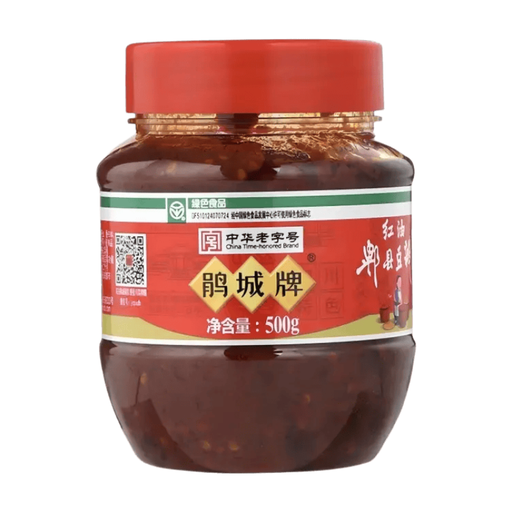
Why it stands out: This paste is a classic example of Pixian Doubanjiang. The Juan Cheng brand is renowned for its traditional production methods, which are recognized as an intangible cultural heritage in China. The vibrant red color comes from the high content of red chili oil, which releases an intense aroma when fried.
Benefits:
Who it's for: For cooks who want to achieve the unadulterated flavor of dishes like Mapo Tofu, Twice-Cooked Pork (Huí Guō Ròu), or spicy stews. It is a key ingredient for anyone who takes Sichuan cuisine seriously.
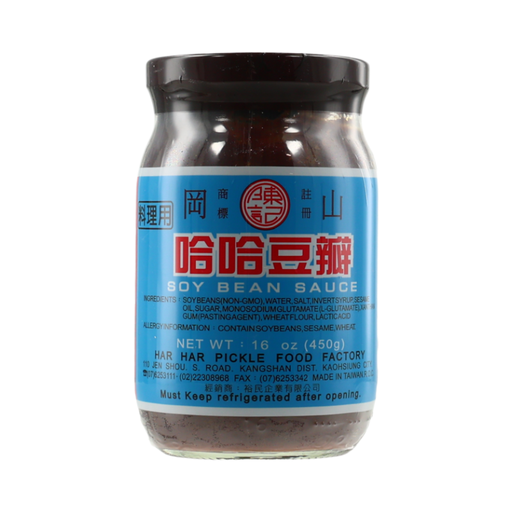
Why it stands out: This Taiwanese bean paste from the Chen Ji brand comes from Gangshan, a region considered the birthplace of the Taiwanese Doubanjiang tradition. It is made from non-GMO soybeans and offers a balanced, umami-rich flavor profile.
Benefits:
Who it's for: For anyone looking for a versatile Chinese seasoning paste for everyday use. It is ideal for fans of Taiwanese cuisine or for cooks who prefer a milder yet complex alternative to Sichuan paste.
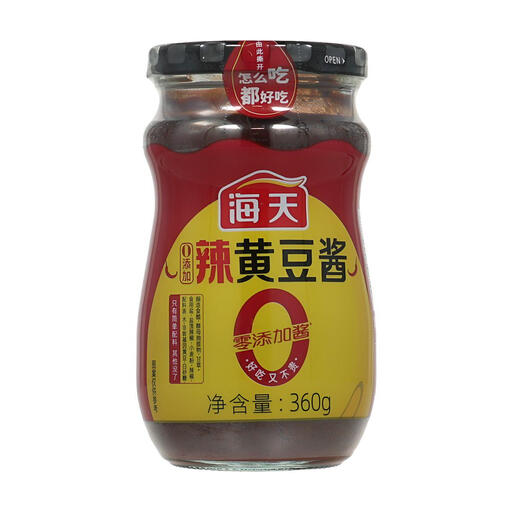
Why it stands out: With this product, the Haday brand focuses on a purist formula. The "0 Additive" label signifies that it is free of artificial additives like flavor enhancers, colorings, or preservatives. The flavor is derived purely from the natural fermentation of soybeans, wheat, chili, and salt.
Benefits:
Who it's for: For health-conscious consumers and purists seeking a spicy bean paste with transparent and simple ingredients. It is a great foundation for those who want to precisely control the flavor of their dishes.
Haven't found the right paste for your culinary project yet? Every recipe and every palate is unique. If you are looking for more specific varieties, such as non-spicy pastes, those with black beans, or other regional specialties, it's worth taking a look at our extended selection.
Discover our entire range of Chinese bean paste here.
Although both are fermented pastes, they are fundamentally different. Doubanjiang is a Chinese seasoning paste based on fava beans or soybeans and chilis. Its flavor is primarily salty, earthy, and rich in umami. Gochujang is a Korean paste that, in addition to chilis and soybeans, also contains glutinous rice, which gives it a characteristic sweet and spicy flavor and a thicker consistency.
After opening, the paste should be stored tightly sealed in the refrigerator. To maximize its shelf life and protect the surface from drying out, you can cover it with a thin layer of neutral vegetable oil. This will preserve the aroma for months.
No. There are spicy (辣, là) and non-spicy (不辣, bù là) versions. The level of spiciness varies greatly depending on the brand and region of origin. Pixian Doubanjiang is typically spicy, while Taiwanese bean paste comes in both mild and spicy varieties. Pay attention to the product description or the labeling on the packaging.