
Lieferung heute & morgen

Qualitätsgarantie

Willkommens-Angebote freischalten: KOSTENLOSE Lieferung | Bis zu 80 % RABATT | Kostenlose 30-Tage-JoyPlus-Testphase
App herunterladen
If you’re looking to buy Doubanjiang chilli bean paste, you’ll find a range of products in shops, from finely puréed chilli and bean sauces to coarse, heavily salted fermented bean pastes. The names Pixian Doubanjiang, Toban Djan, Broad Bean Paste and Chinese chilli bean paste are sometimes used interchangeably, but they don’t always describe the same recipe.
So whether you’re making Mapo tofu, noodles, stir-fries or hotpot, don’t choose based on eye-catching packaging alone. The ingredients, salt content, pack size and intended use all matter.
A hot bean paste isn’t necessarily a Sichuan-style fermented chilli bean paste. Some products are made mainly from chilli, oil or spices. The characteristic flavour of Doubanjiang, on the other hand, comes from the combination of chilli, broad beans and fermentation.
If you’re making Mapo tofu or classic Sichuan dishes, check the ingredients list. Terms such as Broad Beans, Fava Beans, broad beans or Pixian Doubanjiang are useful clues.
Large 750 or 800 g jars can make sense for families, regular stir-fry cooking or catering businesses. If you only use the paste occasionally, a smaller pack is often easier to manage. Many products need to be stored in a cool place or refrigerated after opening. Always follow the instructions on the product label.
Chinese seasoning pastes are often high in salt. Depending on the recipe, product information may list anything from 11,3 g to over 23 g of salt per 100 g. This means you shouldn’t use the paste in large quantities like a ready-made sauce. Often, one or two tablespoons are enough to create a flavourful base for a stir-fry.
A classic Sichuan seasoning paste typically contains chilli and beans, often with added salt and wheat flour. With Pixian Doubanjiang, the place-of-origin designation or a reference to traditional production may also be relevant. Some products also contain soya beans, oil, sugar, spices or preservatives.
If you have allergies, read the label carefully. The products featured here include wheat or gluten and soya, among other ingredients. Broad beans may also be listed as an allergen.
The texture ranges from chunky to creamy. A coarse paste adds visible pieces of beans and chilli to your dish, while finer varieties are easier to mix into sauces, marinades or noodles.
Some products have visible oil separation. This doesn’t automatically mean there’s a problem with the quality. The paste is usually briefly fried in oil at the start of cooking. This helps distribute the red oil and release the flavour into the dish. Follow the manufacturer’s cooking instructions.
For occasional dishes such as Mapo tofu, 350 to 500 g is usually a manageable amount. If you regularly make hotpot bases, marinades or larger batches of stir-fries, you could consider a 750 or 800 g pack. For catering businesses, it’s also important to check whether the product can be hygienically dispensed and reliably refrigerated after opening.
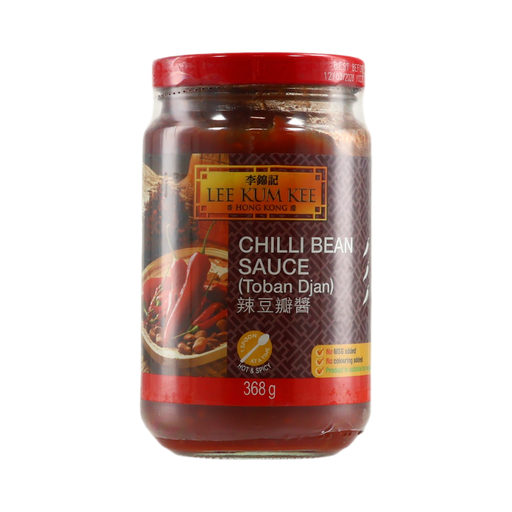
Why this product suits this profile: The 368 g pack is a good fit for households that make Mapo tofu, stir-fries or noodle sauces regularly, but not every day.
The ingredients list includes Broad Beans, soya beans, chilli and wheat flour, so you can check the bean base before buying.
368 g pack, cooking instructions recommending one to two tablespoons, and 11,3 g of salt per 100 g according to the product information.
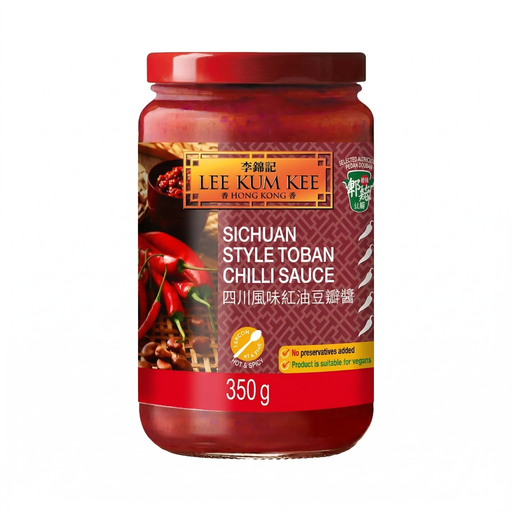
Why this product suits this profile: The product description mentions Erjingtiao chillies, Broad Beans and its intended use in Sichuan dishes.
The 30% Pixian Doubanjiang content and separate oil-and-paste layers make it easier to understand the recipe and how to use it.
350 g pack, 10 g of fat and 12 g of salt per 100 g according to the nutritional information; refrigerate after opening.
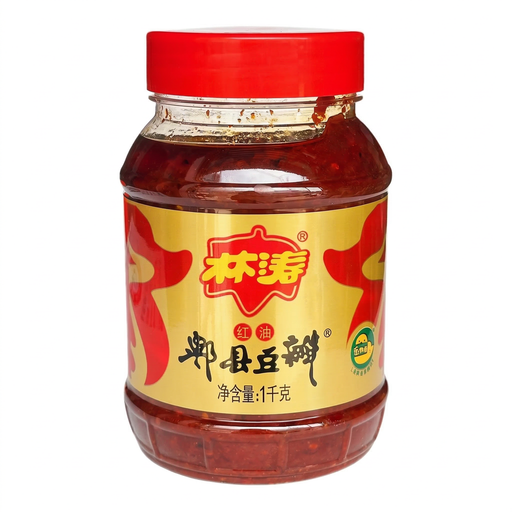
Why this product suits this profile: The 750 g pack is designed for frequent users, larger households and kitchens where stir-fries, hotpot or marinades are regular fixtures.
The product information lists the ingredients, storage instructions after opening and a reminder to use clean utensils when serving.
750 g pack, with chilli and Broad Beans as key ingredients, and around 4.200 mg of sodium per 100 g according to the product information.
We’ve put together a complete, regularly updated list of products that meet these strict selection criteria and fully comply with the safety regulations in force in the EU.
For many recipes, the Chinese seasoning sauce is first warmed in a little oil. Over a medium or low heat, the red oil can spread before you add tofu, meat, vegetables or stock. This makes it easier to measure out the paste evenly than adding it directly to a finished sauce.
Use a clean spoon to take out the paste. Depending on the product, it may need to be refrigerated after opening. If you notice changes to its smell, colour or surface, don’t use it. Always follow the best-before date and the specific instructions from the manufacturer on the packaging.
Not exactly. Doubanjiang is a fermented chilli bean paste and an important seasoning base. A ready-made Mapo tofu sauce may also contain sugar, soya sauce, oil, spices or other ingredients.
It depends on the salt content, heat and recipe. One or two tablespoons is a useful guide for a stir-fry. If you’re using a particularly salty variety, reduce the amount of other salty ingredients accordingly.
There’s no single answer that applies to every product. Some manufacturers recommend refrigerating the paste and using it within a specific period. Always check the label, storage instructions and best-before date on the pack.