
Lieferung heute & morgen

Qualitätsgarantie

Willkommens-Angebote freischalten: KOSTENLOSE Lieferung | Bis zu 80 % RABATT | Kostenlose 30-Tage-JoyPlus-Testphase
App herunterladen
Double-walled coffee glasses combine visible drink layers with an insulating design. Depending on their capacity, they are suitable for espresso, cappuccino, latte macchiato, tea or cold drinks. However, it is worth taking a close look at the technical details before buying, as not every transparent cup is automatically a thermal glass.
A cup with a 350 ml capacity is not automatically suitable for every coffee speciality. Espresso usually requires just 80 to 100 ml, while a latte macchiato or large milky coffee needs more space. You should also allow room for milk froth and a safe distance from the rim.
The term does not always explain how a glass can be used in everyday life. Information about borosilicate glass, microwave suitability or permitted temperature changes is more meaningful. Even heat-resistant glasses can be damaged by a sudden change from very cold to boiling hot.
For dishwasher-safe coffee glasses, the manufacturer’s information should be clear. If it is missing, gentle hand washing is the safer option. Harsh detergents and very hot programmes can affect the clarity of glass over time, particularly with double-walled models.
Borosilicate glass is often used for thermal coffee glasses. The material is suitable for contact with hot drinks, provided the individual product is specified accordingly. The double-walled design creates an insulating air space between the inner and outer glass.
This can help keep the outside less hot than a single-walled glass. However, this does not guarantee complete protection against burns. Always check the temperature carefully before touching the glass.
Also look out for the following information:
The right size depends on your preferred preparation:
Espresso glasses should be compact enough to showcase the crema and aroma effectively. A taller shape is ideal for latte macchiato glasses, as it allows the layers of espresso, milk and milk froth to remain visible. Coffee glasses with handles are a good choice if you prefer a classic grip or regularly serve the glass with hot drinks.
Dishwasher-safe models make everyday use easier in offices, cafés or households with several people. Even so, check the care instructions for the specific item. For hand washing, use warm water, a mild cleaning product and a soft sponge.
Avoid:
The double-walled design can make the inside harder to clean if residue builds up in difficult-to-reach areas. A wide opening is therefore more practical for everyday use than a very narrow shape.
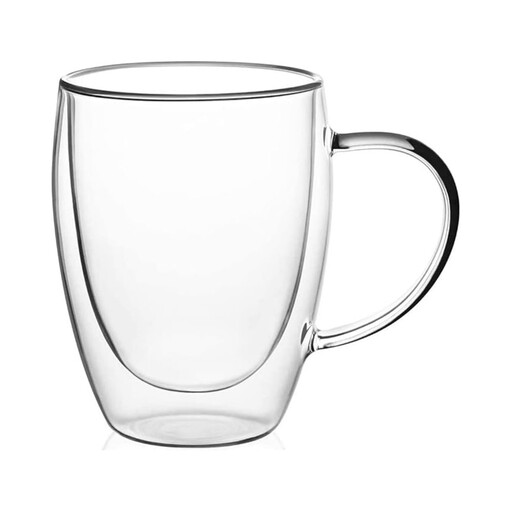
Why this product suits this profile: This 2-piece set with a 350 ml capacity is ideal for shoppers looking for two versatile glasses for coffee, latte or cold drinks.
The stated capacity and handle make it easier to choose than products with unclear size information or hard-to-grip glass shapes.
Double-walled design, 350 ml capacity and suitability for both hot and cold drinks.

Why this product suits this profile: This set combines a 270 ml capacity with mouth-blown borosilicate glass and stated dishwasher suitability.
The material, set size and care information are clearly stated. This means shoppers do not have to rely solely on the term “thermal glass”.
Mouth-blown borosilicate glass, 270 ml capacity and dishwasher suitability according to the product information.
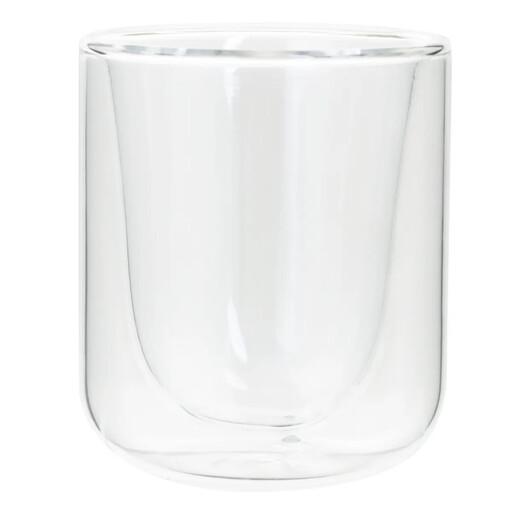
Why this product suits this profile: With a capacity of 80 ml, this double-walled espresso glass is designed for small servings such as espresso or ristretto.
The small capacity prevents an espresso cup from being mistaken for a large coffee mug.
Double-walled borosilicate glass, 80 ml capacity and dishwasher and microwave suitability according to the product information.
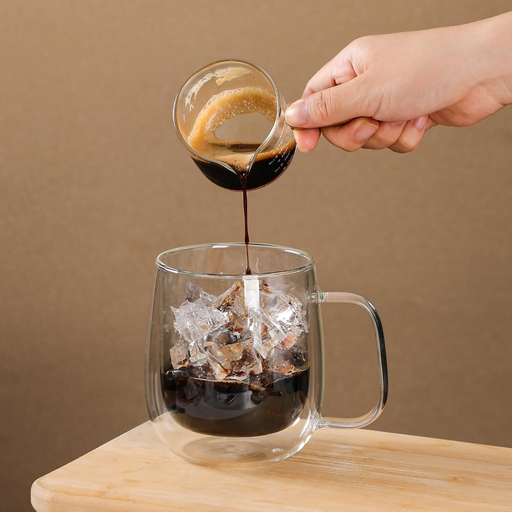
Why this product suits this profile: Two 350 ml handled glasses are suitable for households, offices, cafés or regularly switching between hot and cold drinks.
The product information clearly states the capacity, handles, double-walled construction and dishwasher suitability.
350 ml capacity, integrated handle, double-walled insulation and suitability for hot and cold drinks according to the product information.
We have compiled a complete, regularly updated list of products that fully meet these strict selection criteria and the safety regulations applicable in the EU.
It depends on the individual model. Some products are explicitly labelled as dishwasher-safe, while others do not provide clear information. In this case, check the care instructions and opt for gentle hand washing.
Around 80 to 100 ml is usual for espresso. Cappuccino glasses are often between 150 and 200 ml, while latte macchiato glasses and larger portions of milky coffee generally require 250 to 350 ml. The key factor is whether the drink is served with milk froth.
There is no fixed lifespan that applies to every product. It depends on the material, workmanship, frequency of use and care. Borosilicate glass can still break if dropped or exposed to strong, sudden changes in temperature. Allowing it to cool gradually, handling it carefully and following the manufacturer’s instructions can help extend its service life.